REVIEW · DENARAU ISLAND
Cultural Day Tour
Book on Viator →Operated by Culture Village · Bookable on Viator
A four-hour taste of Fiji culture. This Denarau Island outing takes you from hotel pickup into a working village setting where you’ll see Bure Ni Kalou (temple) and Bure Ni Turaga (chief house), then get hands-on with pottery and weaving. I also like how the timing keeps things moving, so you’re not left standing around, and the meke dance segment gives you a real chance to join in. One consideration: the day is short, and the lunch is intentionally simple in style, which might not match what you expect if you want lots of flavor or big portions.
You’ll start with a warm welcome, get a quick briefing, and then follow a steady flow through the village. The activities are designed to be easy for most people to join, including families, and the group size caps at 80 so it doesn’t feel like chaos. The big decision point is whether you want to take part in the kava ceremony—some people may choose not to, especially if they’re sensitive to it.
If you’re looking for a quick, respectful, memorable way to learn how Fijians live and celebrate, this tour is a strong fit. Just go in with realistic expectations: you’re getting an engaging overview and some participation, not a long, slow, textbook-style cultural lesson.
In This Review
- Key things I’d focus on before you go
- Denarau’s Culture Village day: why it works for first-timers
- The 9:30 pickup to 1:00 departure schedule
- Bure Ni Kalou and Bure Ni Turaga: the village spaces you’ll understand first
- Pottery and weaving: hands-on crafts that don’t feel intimidating
- Kava ceremony and meke dancing: how to decide whether to participate
- Authentic Fijian lunch: included, but simple by design
- Price and value: what $67.97 really buys you
- Who should book this cultural day tour (and who should skip it)
- Should you book it? My decision guide
- FAQ
- What time does pickup start?
- How long is the tour?
- What’s included in the price?
- Is bottled water or alcohol included?
- What activities happen during the visit?
- What happens if the weather is poor?
Key things I’d focus on before you go
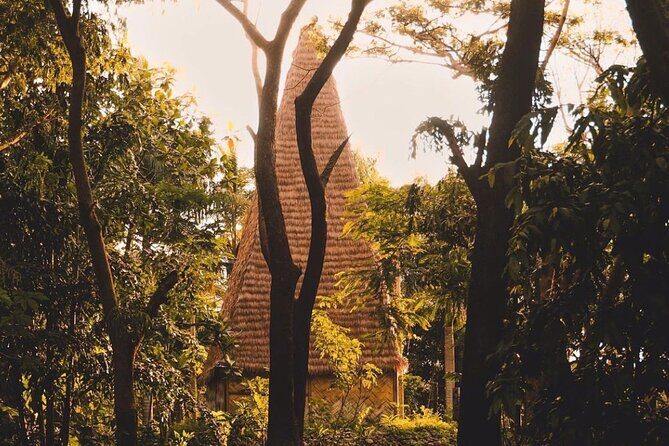
- Temple and chief house stops that give you a clear sense of village structure and tradition
- Pottery making and weaving where you get to try, not just watch
- Kava ceremony as a cultural moment, with the option to sit out if you need to
- Meke show and invited dancing that’s fun without requiring special skills
- Fijian lunch included (no alcohol, and bottled water isn’t part of the package)
- A 4-hour total time window that makes it workable between beach plans and dinner
Denarau’s Culture Village day: why it works for first-timers
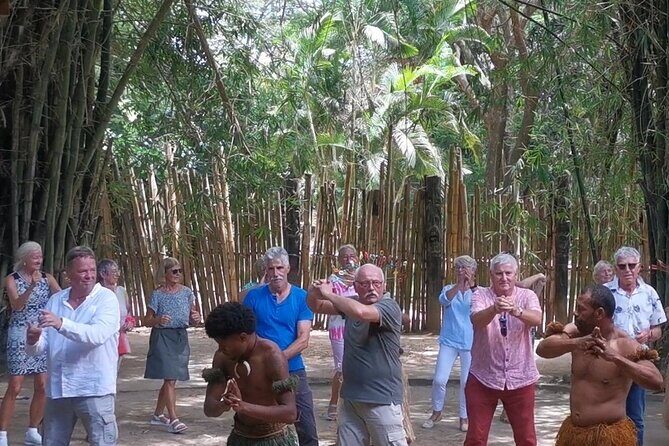
Denarau is convenient, but it can also feel a bit resort-world. What I like about the Fiji Culture Village experience is that it gives you a proper culture-focused block of time without requiring a full day of transport. You’re on an air-conditioned vehicle, you get pickup from the Denarau/Wailoaloa/Nadi area, and then you’re dropped into a village setting where people are ready to welcome you.
The tour is built around participation. You’ll see important spaces like the temple and chief house, you’ll watch and then try pottery making and weaving, and you’ll be pulled into the energy of the kava ceremony and the meke dance. That mix is the main value: you leave with more than photos of scenery—you get a feel for how daily crafts and cultural events fit together.
There’s also something calming about the pacing. You’re there roughly from late morning into early afternoon, and the stops are timed so you’re not rushed from one thing to another. It’s the kind of experience that’s easy to recommend to people traveling with kids, or to adults who want something meaningful without turning it into a long itinerary.
You can also read our reviews of more tours and experiences in Denarau Island.


The 9:30 pickup to 1:00 departure schedule
The tour starts with pickup around 9:30 a.m. You’re collected from hotels in the Denarau, Wailoaloa, and Nadi area, and the first on-site moments begin shortly after arrival. Your morning typically runs like this: a welcome, a quick briefing, then a concentrated sequence of village activities.
The overall time feels efficient. You’re at the cultural village for about two hours before lunch, then you get lunch and a short wrap-up before departure. That matters because you’ll still have most of your day left for beach time, sightseeing, or a late lunch elsewhere.
A small practical note: you’re in a group, with a maximum of 80 travelers, so you’ll likely move in clusters. You’ll do better if you arrive on time for pickup and keep an eye on your local guide and vehicle group so you don’t end up waiting for the next step.
Bure Ni Kalou and Bure Ni Turaga: the village spaces you’ll understand first
The most grounding part of the experience is how it begins with Bure Ni Kalou (temple) and Bure Ni Turaga (chief house). These two stops are not just scenery. They’re a quick way to understand that village life has structure and roles, and that cultural spaces matter.
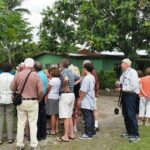
You’ll be walking around the village while your guide explains what you’re looking at. This is where I’d slow down mentally. The tour format gives you limited time, so your job is to pay attention. Ask yourself what feels different between the temple setting and the chief house setting. The names alone give you the starting point, but watching how people relate to these spaces gives you the real context.
Because this is a living community setting, it’s smart to move with respect—quiet voices, follow instructions, and treat the visit like you’re being hosted. Even when something is designed to be tourist-friendly, that doesn’t mean it’s a performance. You’ll get a better experience if you let the guide’s explanations set the tone.
Pottery and weaving: hands-on crafts that don’t feel intimidating
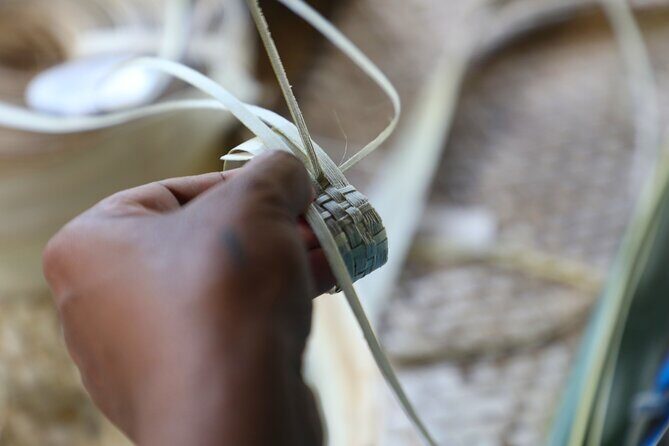
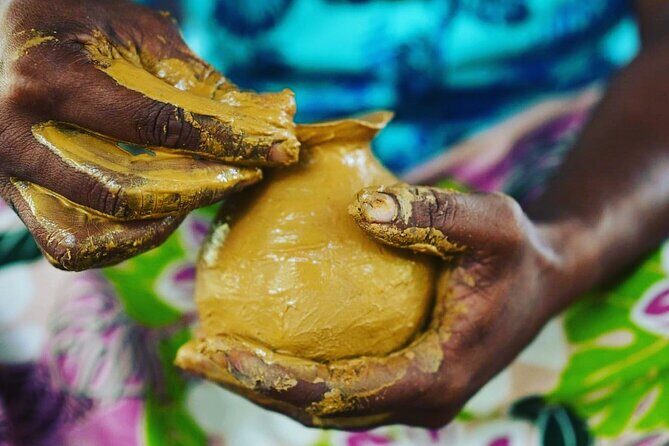
One of the best parts of this tour is that it doesn’t stop at explanations. You’ll witness traditional methods of pottery making and weaving, and then you’re invited to try creating your own pieces. That hands-on time is a value multiplier. Watching a craft is interesting; doing a small part of the process helps you understand why certain tools and motions matter.
The craft segment also has a social side. You’ll interact with local artisans, and that’s often where the story behind the craft shows up—not in a lecture, but in the way people teach by correcting your grip, showing how materials behave, or explaining what comes next.
If you’re the type who wants to go home with a tangible souvenir, this is the section that gives you that option. Just don’t expect everything to come out perfectly. In craft experiences like this, the goal is participation and learning, not a high-end finish.
A drawback to keep in mind: because the tour is only about four hours total, the craft time is limited. You’ll likely make something small, and you won’t get weeks of practice. That’s not bad—it’s simply how the pacing works.
Kava ceremony and meke dancing: how to decide whether to participate
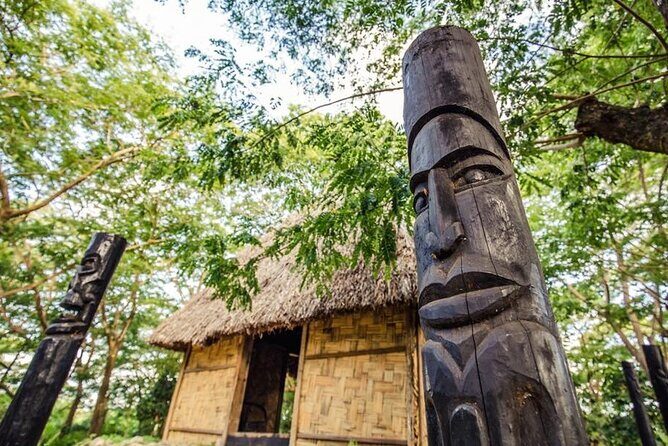
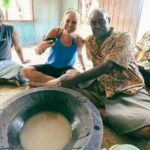
The tour includes a kava ceremony with guests tasting Fiji’s national drink. This is one of the most culturally important moments of the day, and it’s also the point where you need to make a personal call.
If you’re sensitive to strong flavors or you know kava doesn’t agree with you, you’re not stuck doing it. You can choose not to participate in the tasting and still enjoy watching the ceremony unfold. That flexibility is worth knowing before you arrive, so you can make the decision based on your own comfort rather than on peer pressure.
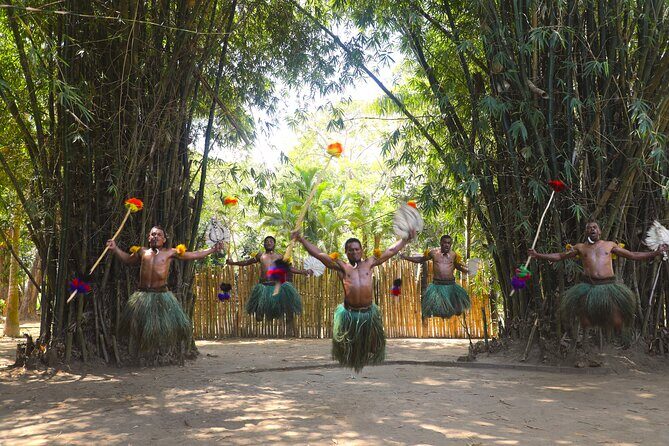
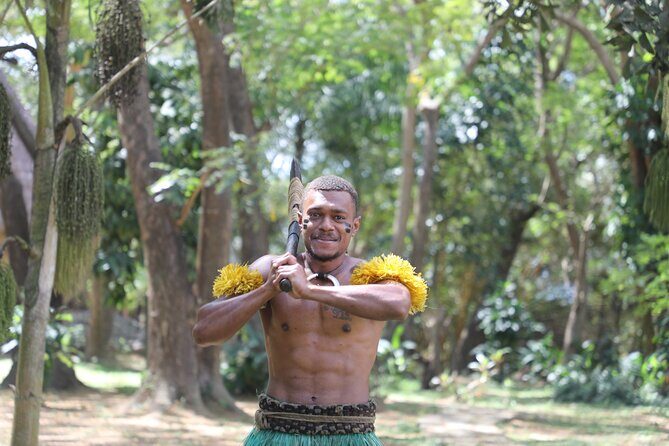
Right after kava comes live entertainment with a meke show, and you’ll be invited for dance. This is the part where the mood usually shifts from learning mode into party mode—without losing the cultural context. The meke segment is designed to be accessible, and many people enjoy that it’s family-friendly and fun even if you’re not a dancer.
My advice: treat the invitation as permission, not a requirement. Join if it feels good, step back if it’s not your thing, and keep your attention on the performers. Either way, you’ll leave with a memory that feels more like a shared moment than a staged photo op.

Authentic Fijian lunch: included, but simple by design
Lunch is included, and it’s Fijian food served as part of the village experience. For many people, this is the highlight because it feels like the cultural center of gravity: food right after kava and dance makes the day feel whole.
That said, I want you to have a realistic expectation. The lunch here is described as authentic and tropical in style, and it can be simple. One piece of feedback mentioned a smaller, plainer plate compared with what they expected, including items like chicken wings and tropical fruit. Another person described the lunch as delicious, so the experience can land differently depending on what you’re used to and what you consider flavorful.
Here’s how to set yourself up for a better lunch: keep your expectations aligned with local-style cooking. If you’re used to heavy sauces, strong seasonings, or big western portions, you might find the meal understated. If you’re open to simple, fresh flavors, you’ll likely enjoy it more.
Also note the practical details: bottled water isn’t included, and alcoholic beverages aren’t part of the package. If you’re easily dehydrated (or you know you’ll want water for the crafts and dance), it’s smart to plan ahead.
Price and value: what $67.97 really buys you
At about $67.97 per person, this is not a cheap add-on, so value matters. Here’s what you actually get for the price: pickup via an air-conditioned vehicle in the Denarau/Wailoaloa/Nadi zone, admission to the experience, a structured half-day program, and lunch included, plus all fees and taxes.
To judge value, I compare it to buying lunch plus arranging transport plus paying for separate activities. This tour bundles the schedule into one block, which saves time and reduces decision fatigue. For many first-timers, that time savings is worth a lot, especially if you’re staying on Denarau and want a clear cultural plan without extra logistics.
Also, the group size cap at 80 is a quiet quality signal. It means you’ll be moving with a crowd, but you’re not being stuffed into a tiny room or losing your guide under a swarm.
The main value risk is the same as the main drawback: the tour is short. If you want hours and hours of in-depth craft instruction, or you want a long meal experience, this four-hour format won’t feel like enough. But if you want a well-paced, participation-based overview in one morning block, the price can make sense.
Who should book this cultural day tour (and who should skip it)
This experience fits best if you:
- want a straightforward cultural introduction in a limited time window
- enjoy craft demos and want hands-on time rather than just watching
- like the idea of kava and a meke performance but want the option to skip tasting if needed
- are traveling with kids or want a day that stays upbeat and family-friendly
It may not be the best match if you:
- think lunch needs to be large and highly seasoned
- want a longer, more academic cultural program
- strongly prefer to avoid any ceremony components, even as a spectator
One more point: the tour says most travelers can participate, and it’s built as an all-in-one morning plan. That makes it a good “day-on-the-calendar” activity when you want structure.
Should you book it? My decision guide
Yes, I’d book it if you want a single, efficient way to experience Fijian village culture from Denarau. The strongest reasons are the combination of temple and chief house visits, the pottery and weaving participation, and the fact that you’ll end with meke dancing and an included lunch.
I would not book it if your top priority is a long, deep cultural education or if you’re very picky about lunch portion size and flavor. In that case, look for something more tailored—or plan to treat lunch as part of the cultural program rather than the main culinary event.
If you’re on the fence, go with your comfort level around kava and your expectations for an authentic, simple meal. If you’re flexible and curious, this tour tends to deliver what it promises: a welcoming cultural day you can actually fit into a busy Fiji schedule.
FAQ
What time does pickup start?
Pickup begins at 9:30 a.m. from hotels in the Denarau, Wailoaloa, and Nadi areas.
How long is the tour?
The tour runs for about 4 hours.
What’s included in the price?
The tour includes lunch, an air-conditioned vehicle, and all fees and taxes.
Is bottled water or alcohol included?
No. Bottled water isn’t included, and alcoholic beverages are not included.
What activities happen during the visit?
You’ll visit Bure Ni Kalou (temple) and Bure Ni Turaga (chief house), watch and try pottery making and weaving, take part in a kava ceremony, enjoy a meke show with invited dancing, and have an authentic Fijian lunch.
What happens if the weather is poor?
The experience requires good weather. If it’s canceled due to poor weather, you’ll be offered a different date or a full refund.