Fiji can feel busy in resort bubbles, so this one changes the pace fast. You’ll move through Lawai Pottery Village, then hike the Sigatoka Sand Dunes, with an optional stop at Kula Eco Park for iguanas and coastal forest.
I love that the tour builds in real variety in one day: a kava welcome and pottery demonstration, plus a guided nature walk on boardwalks.
One thing to watch: Kula Eco Park costs extra, so if you’re budget-tight, plan your spend before you arrive.
If you want a day trip that’s more than another beach hour, this hits the sweet spot. The included sand dunes entry and the on-the-ground village experience make it feel like you’re actually seeing Fiji beyond Denarau.
I also like the practical touches that reduce stress: hotel pickup/drop-off, and bottled water for the heat.
The main drawback is that the sand dunes walk can get sweaty, and the schedule packs a lot into about six hours.
Key highlights at a glance
- Kava ceremony at Lawai Pottery Village plus live pottery-making demonstration
- Sigatoka Sand Dunes National Park with entry included and a 1–2 hour walking stop
- Optional Kula Eco Park focused on the endangered Fijian crested iguana
- Sigatoka Market time for souvenirs and choosing your own lunch
- Small group feel (maximum 44 travelers) and an air-conditioned ride
- Bottled water included, which matters on a hot, sun-heavy day
In This Review
- A practical Fiji day trip that connects culture and nature
- Getting to and from Denarau, Nada, and the Coral Coast
- Lawai Pottery Village: kava welcome and pottery you can watch
- Kula Eco Park: crested iguana conservation and wooden walkways
- Sigatoka Sand Dunes: the 20–60 meter hike that gets sweaty fast
- Sigatoka Market stop: souvenirs and your own lunch plan
- Price and value: what $88.90 buys you (and what it doesn’t)
- Guide quality and the small-group feel
- What to wear, bring, and plan for a heat-heavy day
- Who should book this Fiji combo tour (and who should pass)
- Should you book this tour?
- FAQ
- FAQ
- What’s the main tour route in Fiji?
- Where does hotel pickup happen?
- How long is the tour?
- Is bottled water included?
- Are entrance fees to Lawai Pottery Village and the sand dunes included?
- Is Kula Eco Park entrance included?
- Is lunch included?
- How long do you walk at the sand dunes?
- How big is the group?
- Can I get a full refund if I cancel?
A practical Fiji day trip that connects culture and nature

This tour works well if you want one full day that feels purposeful. You start with village culture in Lawai, then you switch gears into coastal ecology at Kula Eco Park (optional), and finish with the dramatic Sigatoka dunes on foot. It’s the kind of mix that makes you feel like you did more than just visit another viewpoint.
The best part is how the stops support each other. The pottery village gives you a window into daily life and tradition, and the dunes help you experience Fiji’s geology and coastline in a way you can actually walk through. If you add Kula Eco Park, you also get a conservation story tied to a specific animal you’re unlikely to see elsewhere.
Still, plan for the real-world tradeoff: you’re moving. With about six hours total, it’s not a slow stroll day. It’s a structured day with enough time to see the highlights, but not enough time to linger for long.
Getting to and from Denarau, Nada, and the Coral Coast
Pickup makes or breaks a Fiji day trip, and this one is designed to keep you comfortable. You can be picked up from Nada, Denarau, or the Coral Coast, then you’ll ride in a comfortable, air-conditioned vehicle.
Why this matters: Denarau traffic and driving times can be unpredictable, especially if you’re trying to match local taxis or buses. With hotel transfers, you don’t waste the early part of your day figuring out logistics—you just get moving.
You’ll also get back to your resort at the end of the day. That sounds basic, but in Fiji, it’s a big deal. A day trip like this can quickly become exhausting if you have to self-navigate to the next stop and back.
You can also read our reviews of more tours and experiences in Denarau Island.


Lawai Pottery Village: kava welcome and pottery you can watch
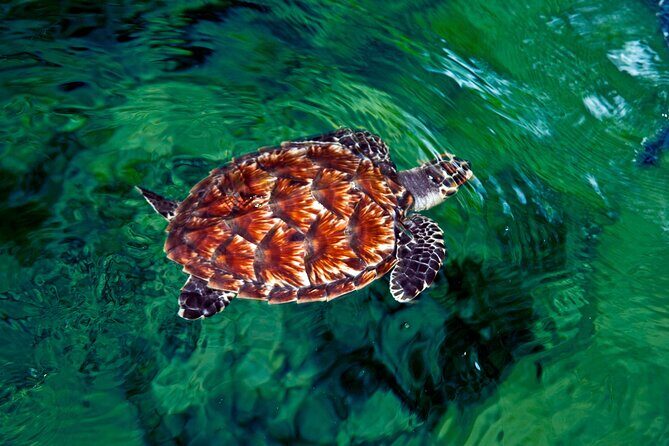
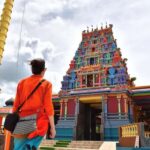
Lawai Pottery Village is where the day turns human-scale. You arrive to a warm kava ceremony welcome and local entertainment, which gives you a quick but meaningful look at village tradition. You’re not just watching from a distance—you’re being included in the rhythm of the visit.
Then comes the practical part: you’ll see a pottery-making demonstration. Even if you don’t know anything about pottery, watching the steps helps you understand why handmade crafts are a big part of island life. It also makes shopping smarter. You’re more likely to buy with care when you’ve seen the effort behind the items.
A heads-up for your expectations: village visits can feel similar to other cultural stops in the region. What keeps this one from feeling like a carbon copy is the combination of kava welcome, entertainment, and the hands-on pottery focus.
If you want to bring something home, plan to set aside a little money. That village time is also when shopping tends to happen naturally, not in a rushed, remove-your-camera kind of way.
Kula Eco Park: crested iguana conservation and wooden walkways
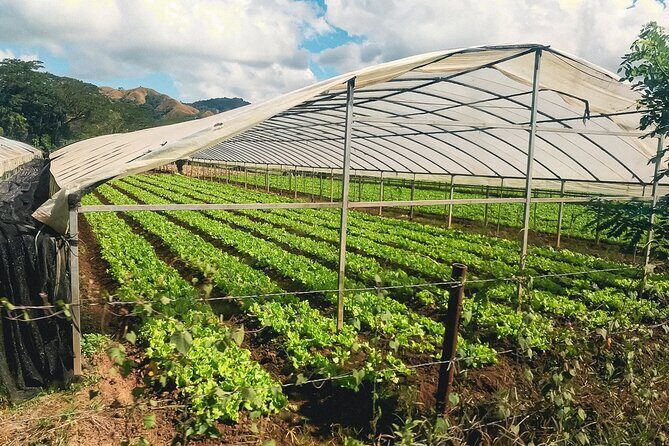
Kula Eco Park is the most nature-forward part of the day, but it’s also the most variable for budget. Entrance to Kula Eco Park is not included and costs $33.00 per person. That makes it optional in the way that matters—if you skip it, you’re still doing pottery village and the sand dunes.
What makes Kula Eco Park worth considering is its focus on conservation. It’s described as the world’s biggest breeding center for the endangered Fijian crested iguana. The park experience includes a guided tour along wooden walkways through coastal forest, with your guide pointing out plants and animals in different habitats.
You can expect to see (or learn about) things like iguana, parrots, turtles, fruit doves, and fruit bats. Even when you’re not seeing every animal at once, the guided habitat walk gives the trip context. You’re not just taking pictures; you’re learning why the habitat matters.
One more real-world note from the field: animal interaction extras can add cost. Some people found certain on-site activity areas pricey, so I’d treat the $33 entry as the baseline and then decide after you’re there. If you care mainly about the iguanas and the walkways, you might not need every add-on.
Also, because the Eco Park is optional, do your own quick check early. The park is a paid add-on, while the pottery village and sand dunes are included. If anyone mentions extra fees, ask calmly which ones are already covered.
Sigatoka Sand Dunes: the 20–60 meter hike that gets sweaty fast
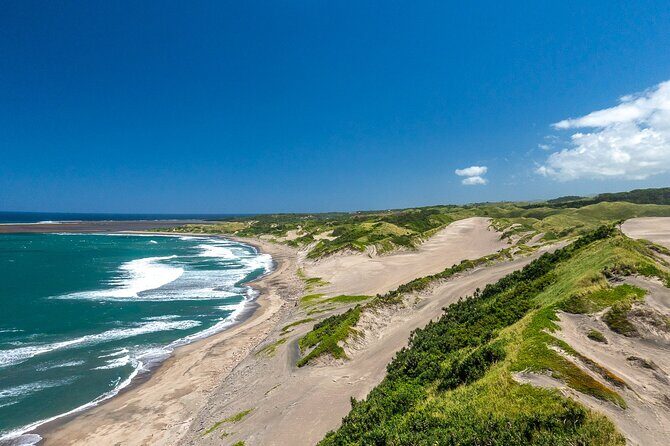
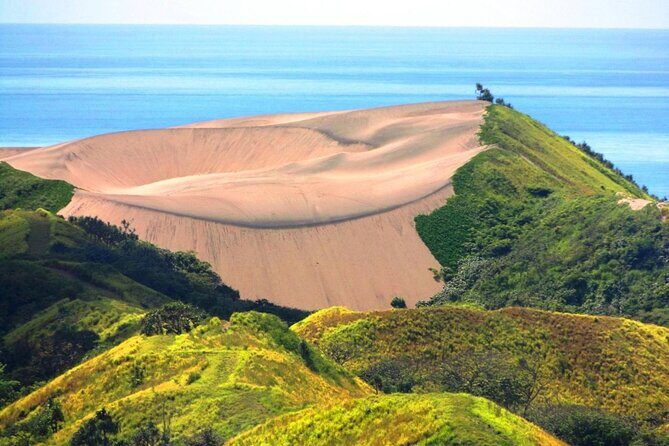
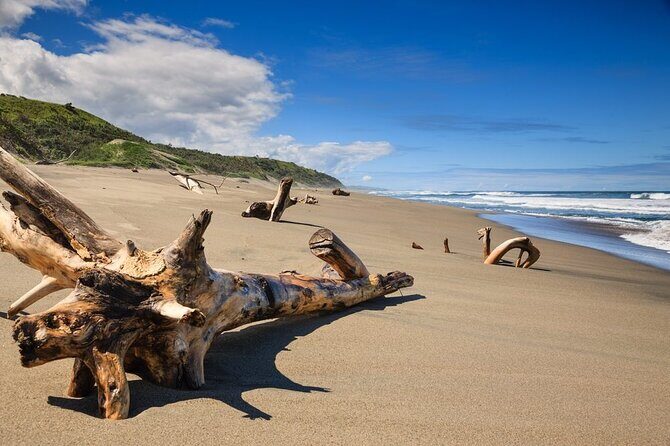
The Sigatoka Sand Dunes are the visual payoff of the day. The dunes here are reported to be 20 to 60 meters tall, and you’ll explore them on foot. The walking time is typically about 1–2 hours, depending on your pace and which trails you choose.
Why it’s worth your time: walking is the only way to feel the scale of these dunes. From the ridgelines, you get a sense of how wind and time shaped the coast. And because you’re moving, you’re not stuck staring out of a car window.
Practical reality check: it can get hot and sweaty. The dunes are exposed, so sun protection is important. Bring water if you have room, wear something you can move in, and plan for a little grit in your shoes. This is where your comfort choices from the morning pay off.
Also, since this is a featured part of the tour and the sand dunes admission is included, you don’t have to worry about budgeting for that entry fee. You just show up and walk.
Sigatoka Market stop: souvenirs and your own lunch plan
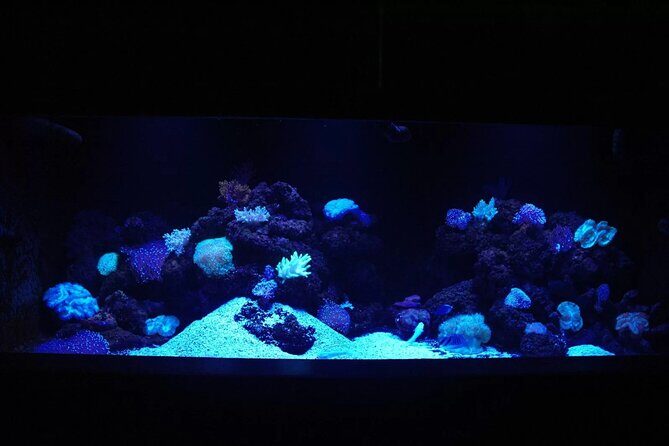
After the morning culture and/or eco stop, you’ll have time to shop at Sigatoka Market. This is a nice contrast to the more structured parts of the day. It’s where you can browse souvenirs without feeling like someone is hovering over your shoulder.
Lunch is not included, and that’s actually a good thing here. You get to choose a meal style you’ll enjoy instead of forcing a set menu. The market area can work well for a casual lunch, and you can also keep it simple: grab something quick, eat, and save your appetite for the dunes walk.
If you’re picky about food, use your phone to spot options before you’re hungry. That small bit of prep helps you avoid the “anywhere is fine” trap when you’re tired.


Price and value: what $88.90 buys you (and what it doesn’t)

At $88.90 per person, the value comes from the included pieces that are annoying to organize yourself. You’re paying for:
- Hotel pickup and drop-off
- Entrance fees for Lawai Pottery Village
- Entrance fee for Sigatoka Sand Dunes
- Time at Sigatoka Market
- Bottled water in the heat
That’s a lot of “small costs” bundled into one price. If you tried to piece it together on your own, the travel time and multiple entries would likely add up quickly—especially around Denarau.
What’s not included is the part that can move the total price around: Kula Eco Park entrance ($33.00 per person) and lunch.
So here’s the smart way to think about it:
- If you’re mainly here for culture + dunes, you might skip Eco Park and keep the day closer to $88.90.
- If iguanas and guided coastal forest matter to you, budget the extra $33. It turns the day into a full ecology-and-culture story.
One caution from real-world experience: make sure included entry fees are clear. On one occasion, a participant reported confusion about paying twice for an included site. You can avoid that by asking which places are covered the moment fees come up.
Guide quality and the small-group feel

The tour can include a comfortable vehicle setup and a group size capped at 44 travelers. That ceiling matters because it influences how much you can hear at stops and how crowded it feels when you’re walking.
What really shows up in the experience is the guide style. Different driver/guide names come up in the feedback—Deo was praised for being amazing and informative, Bobby for being knowledgeable and friendly, Raj for punctual pickup timing, and Vikki for keeping the day relaxed. The common theme: people feel taught, not just transported.
Even with a standard itinerary, good guiding changes your day. It’s the difference between seeing a pottery demo and understanding why it’s done that way, or walking dunes and knowing what you’re looking at.
What to wear, bring, and plan for a heat-heavy day
This is a practical, sun-and-walking day. You’re in outdoor spaces at the sand dunes, and you’ll likely feel the warmth in the dunes and market areas.
I’d plan with these basics:
- Light clothes you can sweat in
- Sun protection for the dunes walk
- Closed shoes you can handle with sand
- A small amount of cash for market browsing (if you want souvenirs)
- If you’re doing Eco Park, be ready for the extra paid stop so you don’t feel surprised
And remember: bottled water is provided, but it may not cover your entire comfort needs if you’re a heavy sweater.
Who should book this Fiji combo tour (and who should pass)
This tour is a strong fit if you want a day that mixes Fijian culture and Fiji nature without needing to plan transport between stops. It’s also great if you don’t want to spend your vacation figuring out where to buy tickets and how to get from place to place.
It’s especially good for:
- People staying around Denarau who want variety beyond the resort zone
- Families looking for manageable walking time and a mix of activities
- Anyone who cares about conservation stories, especially the Fijian crested iguana focus at Kula Eco Park
You might consider skipping or shortening the paid add-on if:
- You want the cheapest total day possible
- You dislike paying on arrival for optional activities
- You’d rather spend your time at a slower pace instead of moving between three main stops
Should you book this tour?
Book it if you want one organized day that delivers three different kinds of Fiji: village culture, dunes on foot, and (if you choose) Eco Park conservation. The included transfers and entry fees make it feel like good value, and the schedule keeps the day from dragging.
Hold off or double-check the add-ons if you’re sensitive to extra costs. Kula Eco Park is optional and has a clear extra entrance fee, so decide your priorities early. If you care mainly about the pottery village and the dunes, you can treat Eco Park as a bonus, not the core of the trip.
If you like your travel days with structure but not stress, this combo makes sense.
FAQ
FAQ
What’s the main tour route in Fiji?
You’ll visit Lawai Pottery Village, explore Sigatoka Sand Dunes National Park, and also stop at Sigatoka Market. Kula Eco Park is included as an optional stop.
Where does hotel pickup happen?
Pickup is offered from Nada, Denarau, or the Coral Coast.
How long is the tour?
The tour duration is approximately 6 hours.
Is bottled water included?
Yes. Bottled water is provided to help you stay refreshed in the heat.
Are entrance fees to Lawai Pottery Village and the sand dunes included?
Yes. Lawai Village entry and Sigatoka Sand Dunes entry are included.
Is Kula Eco Park entrance included?
No. Kula Eco Park entrance is not included and costs $33.00 per person.
Is lunch included?
No. Lunch is not included (you purchase it on your own, often during the market time).
How long do you walk at the sand dunes?
The sand dunes exploration takes about 1–2 hours on foot.
How big is the group?
The tour has a maximum of 44 travelers.
Can I get a full refund if I cancel?
Yes. You can cancel up to 24 hours before the experience for a full refund.