REVIEW · BAREFOOT KUATA ISLAND RESORT
Fiji: Kuata Island Marine Conservation Experience Full Day
Book on GetYourGuide →Operated by South Sea Cruises · Bookable on GetYourGuide
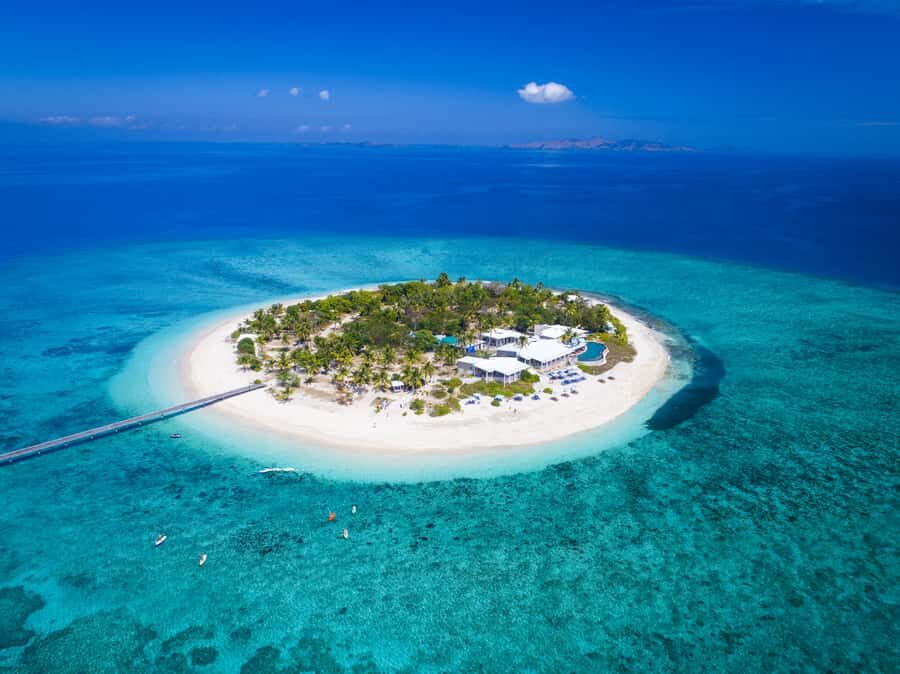
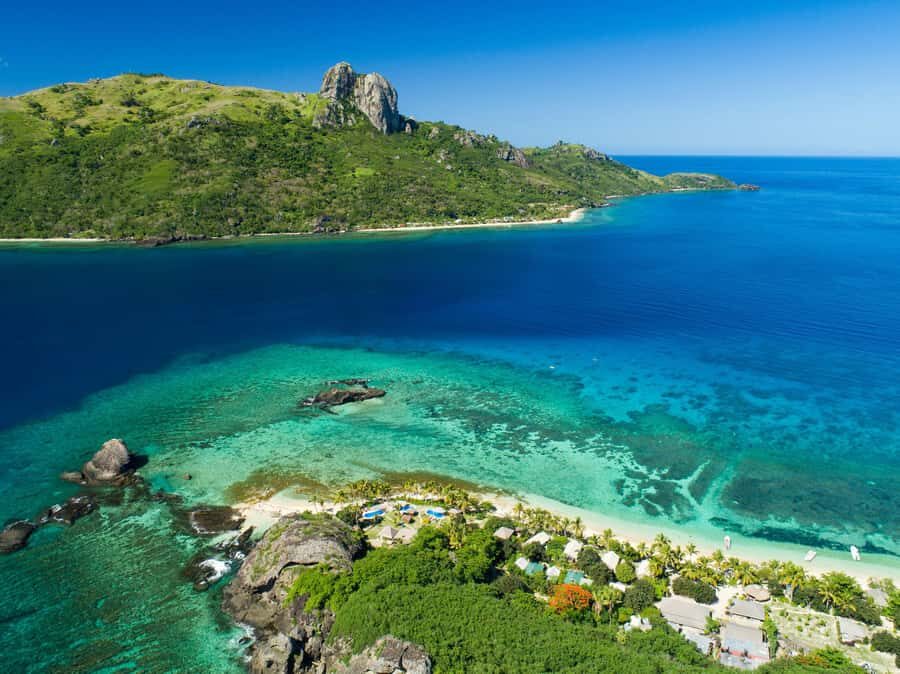
Coral work can feel like pure fun. On Kuata Island (Yasawa Islands) with South Sea Cruises, you spend the day at Barefoot Kuata Island Resort with a marine biologist showing you coral gardens and then helping you take part in a coral regeneration program. It’s conservation education with real hands-on time, not a lecture-only outing.
My other favorite part is the low-tide intertidal zone exploration with the same kind of expert guidance. You’ll look at the shore ecosystem up close, where the weird little residents live when the water pulls back. One thing to consider: this experience isn’t suitable for wheelchair users or visually impaired people, so plan accordingly if accessibility is a big deal for you.
In This Review
- Key Things I’d Book This For
- Port Denarau to Barefoot Kuata: the day starts with a scenic cruise
- The marine conservation talk: why it makes the rest of the day click
- Guided snorkel with a marine biologist and the coral regeneration step
- What you should focus on underwater
- Gear and comfort tips that actually matter
- Low tide intertidal exploration: where the shoreline gets strange and useful
- Why low tide is a smart choice
- Buffet lunch at Barefoot Kuata: fuel between reef moments
- Returning to Port Denarau: 4:05 PM departure means you’ll feel it late
- Who this Kuata marine conservation day suits best
- Consider skipping if…
- Families and kids
- Price and value: $191 that includes the hard-to-copy parts
- Practical tips before you go to Kuata
- Pack what they ask for
- Plan your pickup timing
- Expect it to be a small-group, guided day
- Know what’s not included
- Should you book this Kuata Island marine conservation experience?
- FAQ
- What time does the tour depart Port Denarau and return?
- How long is the experience?
- Where does the tour operate?
- Is the marine biologist involved in more than one activity?
- What’s included in the price?
- Are drinks included with lunch?
- What should I bring?
- Are infants allowed?
- How big is the group?
- Can I cancel for a refund?
Key Things I’d Book This For
- Marine biologist-led snorkel focused on coral gardens, not just sightseeing
- Coral regeneration participation during the snorkel segment, so you’re not passive
- Low tide intertidal exploration that turns the shoreline into a classroom
- Small group size (up to 10) for a calmer, more guided feel
- Buffet lunch at Barefoot Kuata Island Resort, including options noted as vegan-friendly by at least one guest
- Long scenic cruise time through the islands, giving you that Fiji start-to-finish mood
Port Denarau to Barefoot Kuata: the day starts with a scenic cruise
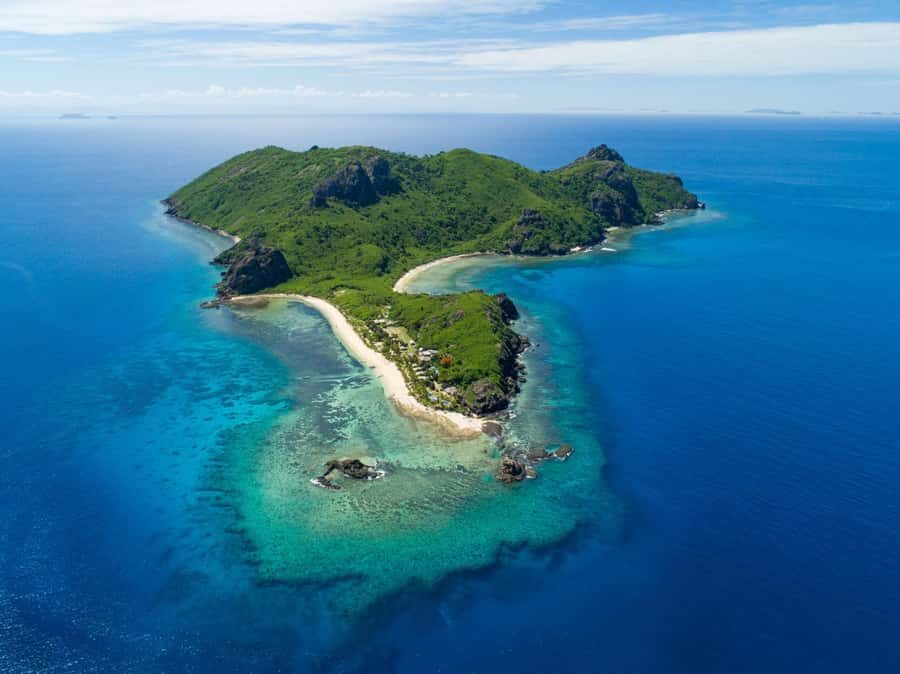
Your day runs long, but it’s built around a smooth travel rhythm. You depart Port Denarau at 8:45 AM and reach Barefoot Kuata Island at 10:30 AM. That gap gives you the boat ride time that makes this itinerary more than a quick snorkel stop.
Transfers are part of the package. You’ll get complimentary scheduled coach transfers from many hotels/resorts around Denarau, Wailoaloa, Nadi, and Vuda. Pickups start about 75 minutes before the vessel departs from Port Denarau. Practically, that means you should plan to be ready early, even if your hotel is a short drive away.
Then comes the best early “exhale” moment: a 1 hour 45 minute scenic cruise through the islands. This matters because it slows the pace before you hit the water activities. If you tend to feel travel-fatigued fast, that cruise time can be a lifesaver—it gives you space to settle in, grab a drink if you want one (drinks at lunch aren’t included), and set your camera gear.
One small group detail that helps: the tour is limited to 10 participants. Fewer people usually means less waiting, fewer bottlenecks when you’re gearing up, and more time for questions with the marine biologist.
The marine conservation talk: why it makes the rest of the day click
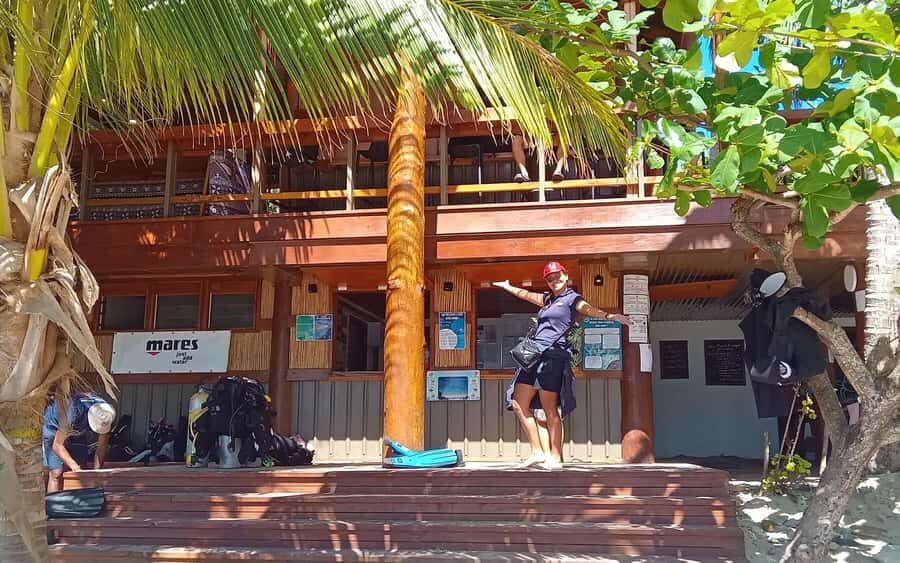
When you arrive, you’re welcomed by resort staff and then meet your marine biologist for an intro to the marine environment around Barefoot Kuata. This talk is one of those “quietly important” pieces. Without it, a coral garden is just pretty. With it, you start noticing how the ecosystem works and why the coral matters beyond looks.
From the way the day is structured—snorkel, coral regeneration, then low tide—this intro sets the logic chain. You learn what you’re about to see underwater, then you connect it to what you’ll spot along the shoreline when the tide drops.
I also like that it’s not framed as guilt. It’s framed as understanding and action. That makes it easier to stay engaged, especially if you’re not a lifelong reef nerd.
Guided snorkel with a marine biologist and the coral regeneration step
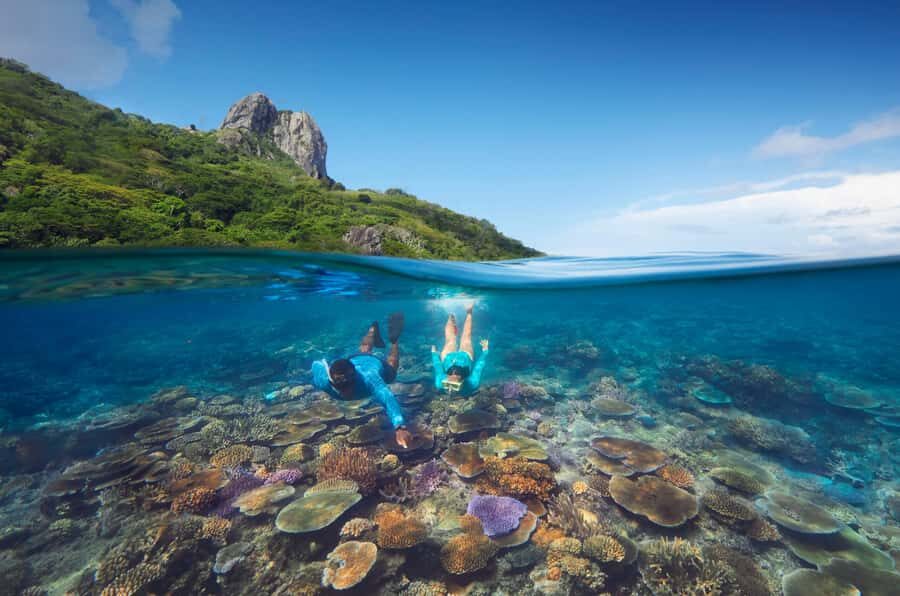
This is the heart of the day. You join a guided snorkel with the marine biologist to see coral gardens, plus you participate in a coral regeneration program during the snorkel.
Here’s the practical advantage of that setup: you’re not just watching conservation work from a distance. You’re part of it, while the biologist explains what’s happening and why. That turns snorkeling from passive “look what’s under there” into active learning.
What you should focus on underwater
Since the tour is specifically about coral gardens and regeneration, you’ll get the most out of it if you pay attention to details like:
- how coral growth is discussed (as a process, not a product)
- how the biologist connects reef health to the larger marine environment
- what kinds of underwater life show up in a coral-forward habitat
The experience is also designed for a guided, small-group feel. With only up to 10 people, you should get more personal attention when questions come up—especially if you’re unsure what you’re looking at.
Gear and comfort tips that actually matter
Bring swimwear, a hat, and a camera as requested. A hat helps on both the cruise and the island time. Camera-wise, this is one of those tours where you’ll want your settings ready before you get in the water. You don’t want to waste your best moments fumbling with straps or cases.
Also note: smoking isn’t allowed. That’s standard, but it’s still good to plan so you’re not dealing with it mid-day.
Low tide intertidal exploration: where the shoreline gets strange and useful
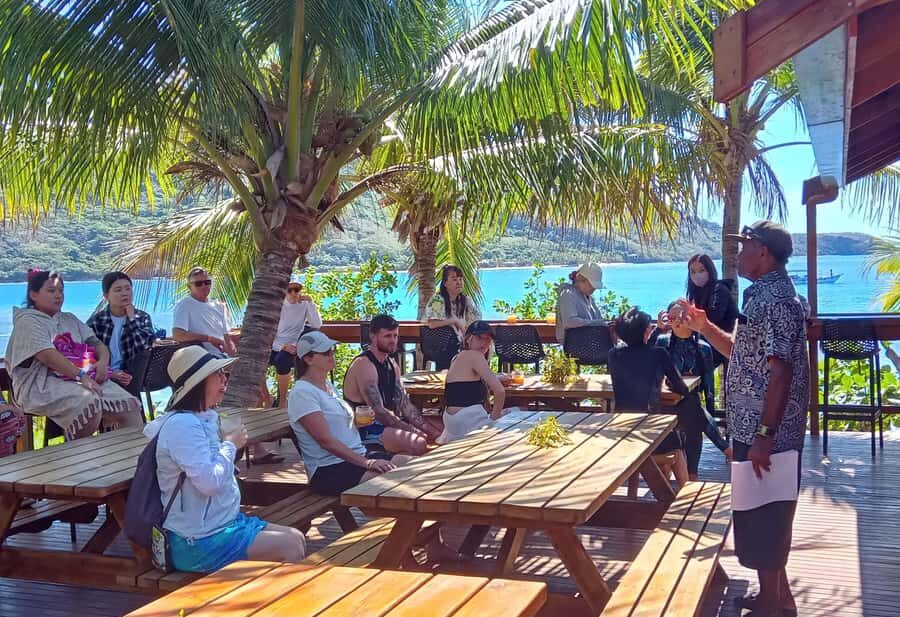
After the snorkel and conservation participation, the tour shifts to the part many people skip back home: the intertidal zone at low tide.
You’ll go on a guided exploration with the marine biologist to learn why this area is hugely important environmentally, and it’s home to some of the ocean’s weirdest creatures. That phrase is a hint: you’ll likely see organisms and behaviors that feel different from open-water snorkeling.
Why low tide is a smart choice
Intertidal zones are dynamic. Water moves, sunlight changes, and the habitat shifts—so the creatures that live there are adapted to survive the ups and downs. Seeing it in person helps you understand reef ecosystems as something bigger than just the coral itself.
This segment also balances the day. If you spent earlier time floating and looking underwater, the low tide walk gives your eyes and mind a new job: spotting life in a changing shoreline environment.
And because it’s guided, you’re not left guessing what you’re seeing. You get context in real time, which is the difference between a nice walk and a meaningful one.
Buffet lunch at Barefoot Kuata: fuel between reef moments
Lunch is a buffet at Barefoot Kuata Island Resort. You’ll have a break between the marine sessions and your return trip.
One detail worth calling out: a review specifically noted that vegan was provided. I can’t guarantee how that’s handled for every booking, but it’s a good sign that the resort can accommodate at least some special dietary needs.
Drinks at lunch aren’t included, so if you like something cold with your meal, plan for it financially.
This lunch block also gives you the option to slow down. Even though it’s a full-day schedule, the buffet at the resort is where you can reset before the final stretch of the day.
Returning to Port Denarau: 4:05 PM departure means you’ll feel it late
After lunch and the intertidal exploration, the schedule moves you toward the trip back. You depart the island at 4:05 PM and arrive back at Port Denarau at 6:00 PM.
Timing matters here because you’ve likely already had:
- an early coach pickup
- a scenic cruise
- guided snorkeling
- conservation participation
- a low tide walk
By the late afternoon, you’ll probably feel the day in your legs and shoulders, even if you don’t realize it while you’re busy. Pack light and plan for a slightly tired finish.
Who this Kuata marine conservation day suits best
This works especially well if you want a Fiji day that feels purposeful. It’s not just about pretty water. It’s about seeing reef ecosystems up close and learning how regeneration efforts fit into the bigger picture.
It’s also a good match if you like guided experiences:
- Small group (up to 10) means less waiting
- Marine biologist guidance shows up in both snorkel and low tide segments
- You get context before each activity, so the day feels connected
Consider skipping if…
If accessibility needs are part of your planning, note that the experience is not suitable for wheelchair users and not suitable for visually impaired people. Also, the itinerary is long at 9 hours, so if you want a short, easy outing, this one may be more than you’re looking for.
Families and kids
Infants 0–4 years inclusive are complimentary but must be advised at booking. If you’re traveling with a very young child, you’ll want to confirm details with reservations to understand how the day is paced and what infant participation looks like in practice.
Price and value: $191 that includes the hard-to-copy parts
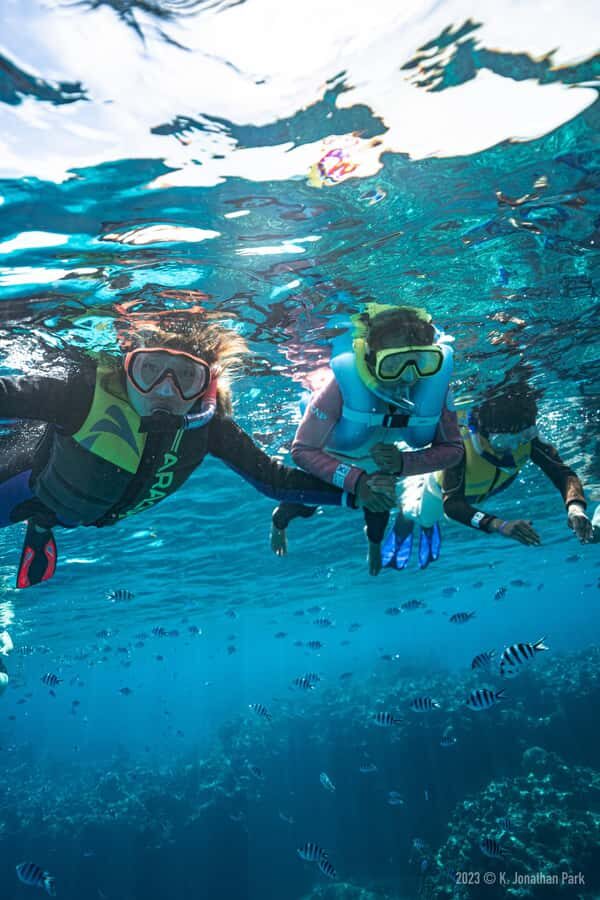
At $191 per person for a 9-hour full day, this can feel like a splurge—but it’s also the kind of tour where the value isn’t just the snorkel.
Here’s what you’re paying for, factually included:
- Coach transfers from many Denarau/Wailoaloa/Nadi/Vuda locations
- 1 hour 45 minute scenic cruise through the islands
- Buffet lunch at Barefoot Kuata Island Resort
- Marine conservation talk by a marine biologist
- Guided snorkel by a marine biologist
- Low tide intertidal exploration with a marine biologist
- Plus, you participate in the coral regeneration program during the snorkel
If you tried to piece this together yourself, you’d be juggling boats, guides, timing, and a specialized conservation component. That last part—coral regeneration participation while you’re out there—isn’t something you can easily DIY. For the money, what you’re really buying is access to a structured conservation experience with expert-led interpretation and time on the water.
So I think the price makes sense if:
- you care about reef health and want more than casual snorkeling
- you like small-group guided time
- you want a full-day island experience with minimal hassle
Practical tips before you go to Kuata
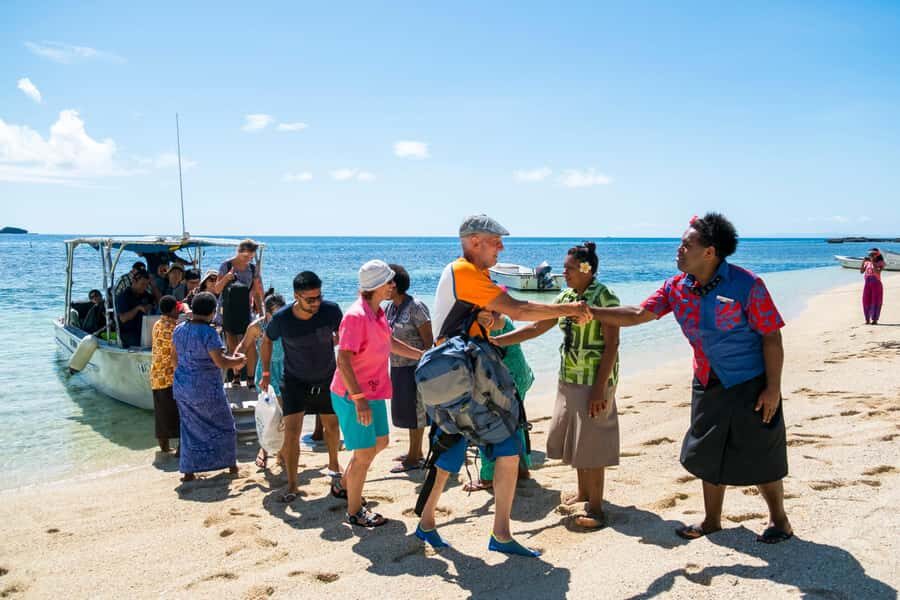
A few details can make the day smoother.
Pack what they ask for
Bring:
- Hat
- Swimwear
- Camera
You’ll likely get sun on the cruise and on the island, and hat comfort helps a lot.
Plan your pickup timing
Coach pickups start about 75 minutes before the Port Denarau vessel departure. If you’re staying outside the main pickup zone or you’re unsure of your timing, confirm with reservations. Don’t assume it’s the same as your usual hotel shuttle time.
Expect it to be a small-group, guided day
This tour is limited to 10 participants, and it’s run by South Sea Cruises with an English-speaking live guide listed along with Fiji language support. In real life, that means the day can feel organized, but it also means you’ll want to be on time for each transition.
Know what’s not included
- Drinks at lunch aren’t included.
- Infant meals aren’t included and are payable to the resort before departing the island.
Should you book this Kuata Island marine conservation experience?
I’d book it if you want an island day in Fiji that’s both beautiful and instructive. The best reason is the combination: a biologist-guided snorkel through coral gardens, an actual chance to participate in coral regeneration, and then a second guided activity at low tide in the intertidal zone. That’s three linked perspectives on marine life—reef, shoreline, and recovery—without turning the day into a lecture.
I’d hesitate if you need accessibility accommodations, since it’s not suitable for wheelchair users or visually impaired people. And if you’re looking for an easy, short outing, the full 9-hour schedule may feel like too much.
If you’re the type who likes to understand what you’re seeing before you leave, this is the kind of day that stays with you.
FAQ
What time does the tour depart Port Denarau and return?
You depart Port Denarau at 8:45 AM and return at 6:00 PM, with an island departure at 4:05 PM.
How long is the experience?
The duration is 9 hours.
Where does the tour operate?
It takes place in the Yasawa Islands area around Kuata Island, at Barefoot Kuata Island Resort.
Is the marine biologist involved in more than one activity?
Yes. You get a marine conservation talk, a guided snorkel with a marine biologist, and a low tide intertidal exploration with a marine biologist.
What’s included in the price?
Included items are coach transfers (from many hotels/resorts), a 1 hour 45 minute scenic cruise, buffet lunch, the marine talk, guided snorkel, and the low tide intertidal exploration.
Are drinks included with lunch?
No, drinks at lunch are not included.
What should I bring?
Bring a hat, swimwear, and a camera.
Are infants allowed?
Infants aged 0–4 years inclusive are complimentary, but you must advise this at booking. Infant meals are not included and are payable directly to the resort before departing the island.
How big is the group?
The tour is a small group limited to 10 participants.
Can I cancel for a refund?
Yes. Free cancellation is available up to 24 hours in advance for a full refund.