REVIEW · DENARAU ISLAND
Half Day Nadi “Historical and Cultural Tour” with Village,Temple,Gardens&Markets
Book on Viator →Operated by Excite Tours Travel · Bookable on Viator
Nadi culture hits five stops in one drive. I really like the Gardens of the Sleeping Giant for its mountain-shade orchid collection, and the Viseisei village visit for learning how people live and why the stories matter. One thing to watch: the schedule is tight, so make sure the viewpoint stop is on your route that day if it matters to you.
This is a 4 to 5 hour half-day built for convenience, with pickup and drop-off around Nadi and Denarau plus bottled water. You’ll also get a mobile ticket and a smart casual dress code, and the tour caps at 99 people (so it can be smaller depending on demand).
In This Review
- Key Highlights at a Glance
- A Half-Day Mix of Nadi Views, Village Life, and Temple Art
- Getting There From Denarau: Pickup, Timing, and Van Comfort
- Stop 1: Nadi Produce Markets (Fresh Looks, Quick In-and-Out)
- Stop 2: Handicraft Market (Souvenirs Without the Pressure)
- Stop 3: Gardens of the Sleeping Giant (Orchids + Mountain Shade)
- Stop 4: Viseisei Village (Real People, Real Routine, Real Stories)
- Village Etiquette Tip: Decide Your Shopping Budget Before You Go
- Stop 5: Sri Siva Subramaniya Swami Temple (Dress Smart, Walk Respectfully)
- Markets, Duty Free, and How to Shop Without Overspending
- Guides Matter Here: Jason, Mary, Avi, and Donald
- Price and Value: Is $88.90 a Good Deal?
- Who Should Book This Nadi Tour (And Who Should Skip It)
- Should You Book the Half-Day Historical and Cultural Tour?
- FAQ
- What’s the duration of the Nadi Historical and Cultural Tour?
- Where does pickup and drop-off happen?
- What’s included in the tour price?
- Do I need to pay entry fees for the markets?
- Are meals included?
- What should I wear to the temple?
- Are children allowed, and how does pricing work?
- What’s the cancellation policy?
Key Highlights at a Glance

- Orchid time at the Gardens of the Sleeping Giant with dozens of Asian orchid varieties and Cattleya hybrids
- Viseisei village storytelling about Fiji’s first landing with a local village guide
- Sri Siva Hindu Temple with eye-catching paintings and clear guidance on respectful visit behavior
- Market stops for fruit and vegetables, plus a handicraft market for everyday souvenirs
- Pickup convenience from Nadi/Denarau so you don’t waste vacation hours figuring out transport
A Half-Day Mix of Nadi Views, Village Life, and Temple Art
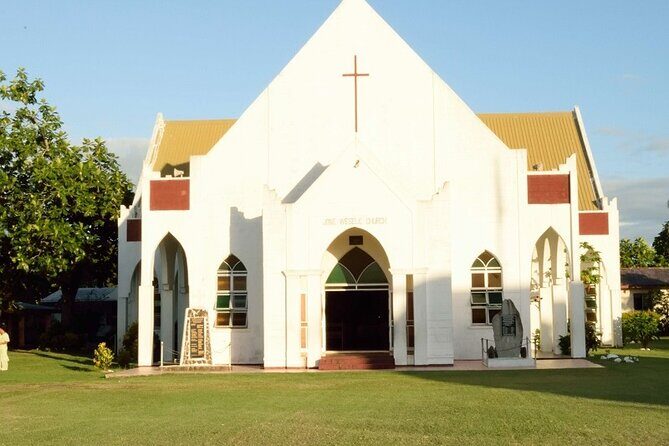
This tour is a smart way to get your bearings in Nadi fast. In one outing, you move from coast-hinting viewpoints to a living village, then into an orchid garden and a famous Hindu temple before wrapping up at local markets.
I like that it balances three types of experiences: nature (orchids), culture (village + temple), and everyday local life (markets). It also stays short enough that you don’t feel trapped on a full-day bus.
If you’re on your first or second day in Fiji, this is the kind of trip that helps you understand what you’ll want to explore more later. And if your schedule is packed, it’s a rare chance to see multiple sides of Nadi without turning the day into a slog.
You can also read our reviews of more historical tours in Denarau Island

Getting There From Denarau: Pickup, Timing, and Van Comfort
The tour is built around hotel pickup and drop-off in the Nadi and Denarau area. That matters because Fiji traffic and distances can be deceptive when you’re bouncing between attractions.
The total time is about 4 to 5 hours, so you’ll spend most of your time at the stops and not in long stretches of driving. You’ll also have bottled water included, but plan to bring your own if you’re picky about drinking temperature—one guest noted the included water was warm.
Most rides are in an air-conditioned van, and the experience can feel more comfortable when it’s not packed. One family-sized group described a comfy, exclusive setup, which is exactly the kind of experience you’ll want to aim for.
Stop 1: Nadi Produce Markets (Fresh Looks, Quick In-and-Out)
Your first real stop is the Nadi fruit and vegetable market. It’s a straightforward visit—about 30 minutes—so you’re not meant to shop for a cooking mission.
What you’re really doing here is watching how locals buy and sell. You’ll get a feel for seasonal fruit and common produce grown in Fiji, which is useful when you later order fruit at your resort or decide what to snack on.
If you want photos, this is a good place to start early in the tour. If you don’t care about markets at all, you may find this segment a little short and basic—but it’s also free admission and keeps your day moving.
Stop 2: Handicraft Market (Souvenirs Without the Pressure)
Next comes the handicraft market, also about 30 minutes with free admission. This is where you can browse for small take-home items: carvings, textiles, and the kind of souvenirs you can usually find in Fiji-themed stalls.
I treat this stop like a scouting trip. Look, compare prices if there are options, then decide what you actually want later—especially if you know you’ll shop in the village or duty-free areas later in the day.
One practical tip: wear comfortable shoes. Even for a short market visit, you’ll likely do a fair bit of standing and moving between stalls.
Stop 3: Gardens of the Sleeping Giant (Orchids + Mountain Shade)

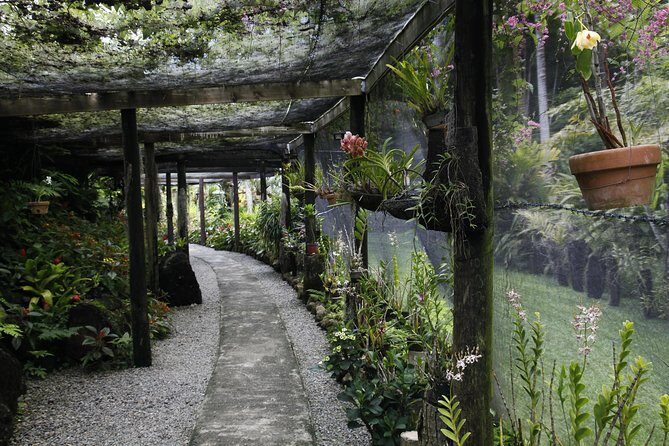
This is one of the strongest parts of the whole itinerary. The Gardens of the Sleeping Giant are known for their Asian orchid collection—over 30 varieties is promised in the tour description, and you’ll see that the plants are the star of the show. You’ll also get orchid hybrids, including Cattleya types.
The setting is also part of the experience. The garden area is described as being in cooler shadows between two giant mountains, so it’s a nice break from the heat and sun. Even when it’s warm outside, you’ll usually find a calmer, cooler-feeling walking route once you’re inside the garden grounds.
Plan for about 1 hour here. That’s enough time to do a slow walk, take photos, and read enough to understand what you’re looking at without feeling rushed.




Stop 4: Viseisei Village (Real People, Real Routine, Real Stories)
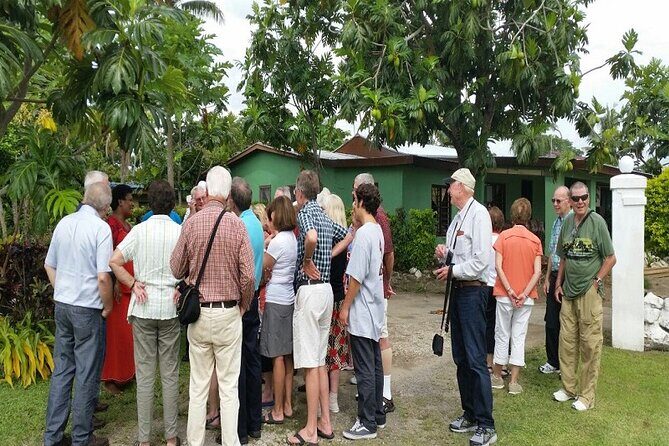
Viseisei is where the tour earns its cultural weight. This is the historical village tied to the native Fijians’ first landing, and you’ll get a guided tour of village life for about 1 hour.
This part is often the highlight because it’s not just a quick photo stop. A village guide helps explain what you’re seeing—buildings, daily routines, and the meaning behind local stories and history. One guest also specifically praised how a guide at the village explained the history of Fiji clearly.
Another value note: a portion of the tour cost is described as going to the village and its people. That doesn’t remove the need to be a smart shopper, but it does mean your time here isn’t just about ticking boxes.
Village Etiquette Tip: Decide Your Shopping Budget Before You Go
One downside that’s worth calling out is how sales energy can show up in village settings. A past guest felt they were expected to buy souvenirs from multiple spots, and that the tour ended up costing a lot more than expected.
So here’s my practical advice: go in with a number in your head. If you want one or two items, be clear with yourself early. If you don’t want to shop, still be polite and respectful—just remember that being friendly doesn’t mean you have to buy.
Stop 5: Sri Siva Subramaniya Swami Temple (Dress Smart, Walk Respectfully)

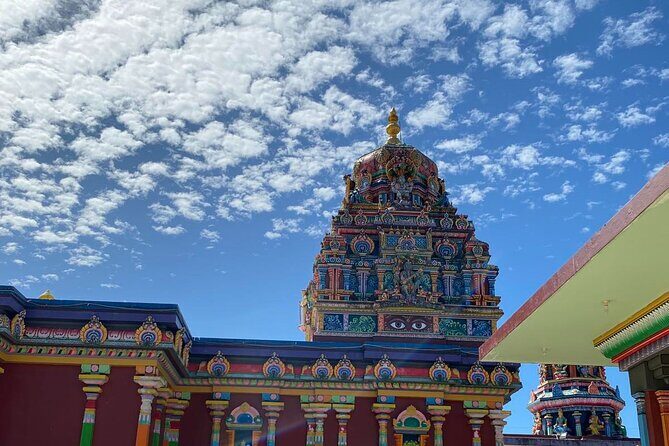
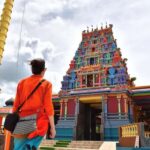
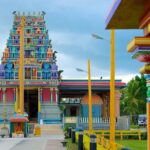
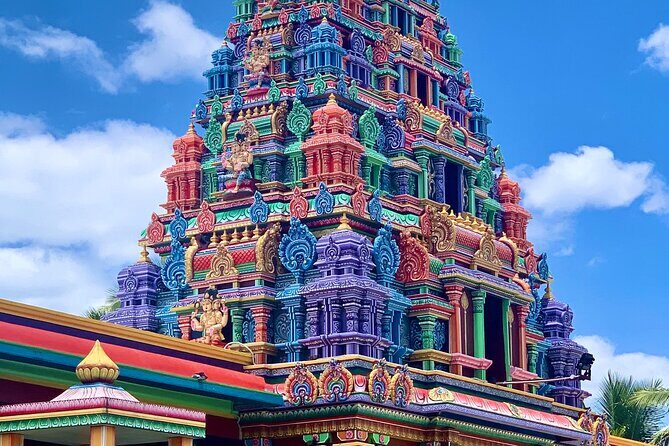
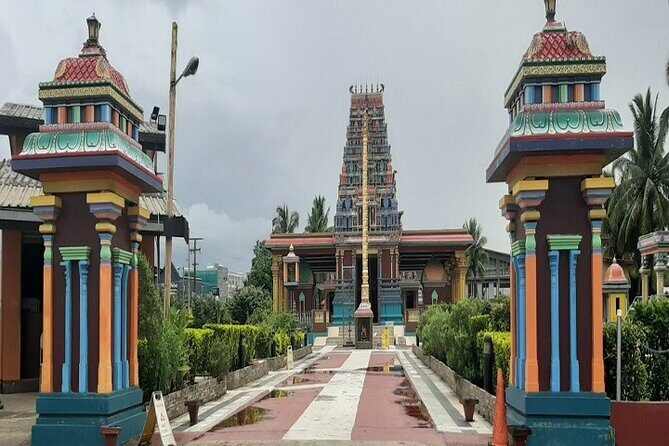
The temple stop is about 1 hour, with included entry. Sri Siva Subramaniya Swami Temple is famous for its colorful Hindu spirituality and painted artwork connected to gods and goddesses.
The tour description flags that you can take part in authentic Hindu spirituality, and the visit is the kind of place where you’ll want to act with care. Dress code is smart casual, and you should plan ahead for temple footwear rules.
One useful tip from a guest: bring or have socks for temple time. Also, don’t stress about covering up too much—one guide (Jason, in a cruise-port pickup experience) wrapped sarongs around legs to help visitors comply with what’s appropriate.
If you’re unsure how to behave, your guide should help you through it. Just follow their lead. Your job is to look, listen, and keep things respectful.
Markets, Duty Free, and How to Shop Without Overspending
After the temple and village, you end up back in the world of buying and browsing. The tour includes visits to Nadi markets for fruit and vegetables, a handicraft market, and time at duty-free shops.
Duty free can be helpful if you’re bringing home spirits, skincare, or gifts. But I’d still treat it like any shopping stop: you get better value when you set your priorities before you arrive.
Here’s another thing to watch: some stops can feel a bit sales-forward depending on the day and the flow of visitors. If you’ve had a long travel day already, you may be more likely to impulse buy.
A simple tactic: pick one category you actually care about (t-shirts, carvings, snacks, perfume, or souvenirs) and ignore the rest. You’ll end up happier and lighter in your luggage.
Guides Matter Here: Jason, Mary, Avi, and Donald
This tour’s biggest strength isn’t just the sites. It’s the human energy behind the experience.
Several guides were praised by name: Jason for helpful leg-covering sarong support and cruise-port pickup that felt worth the added effort, and Avi for being energetic and explaining Fiji history in a way that made the tour click. Donald also got credit for being friendly, and Mary stood out for being soft-spoken and informative during the village portion, including singing in a church setting.
Even if your guide isn’t one of those people, the pattern is clear: you’ll get the most from the day if you ask questions and engage. These stops can turn from passive sightseeing into real learning in a hurry, especially when someone explains the connections between the temple art, village traditions, and local everyday life.
Price and Value: Is $88.90 a Good Deal?
At $88.90 per person, this tour can feel like a bargain if you factor in what’s included. You’re paying for pickup and drop-off (around Nadi and Denarau), local taxes, and bottled water. Plus, entry is included for the garden, the village, and the temple.
Meanwhile, the market stops are free-admission segments and are time-boxed. So you’re not just paying for walking through shops—you’re covering multiple paid cultural stops plus transport.
The trade-off is that food and drinks are not included. You may want to budget for snacks so you don’t end up spending extra later on top of the tour price. If you’re sensitive to that, pack a light snack before you go.
Also, one guest felt disappointed because the village shopping expectations added a lot to the final spend. That’s not something the tour price can prevent, but you can prevent it with a budget.
Who Should Book This Nadi Tour (And Who Should Skip It)
This experience is ideal if you want:
- A first-day tour to get oriented in Nadi quickly
- A mix of culture and photos without committing to a full day
- A guided village and temple visit that gives context
It might not be the best fit if:
- You hate shopping stops and want zero sales pressure
- You’re mainly chasing long outdoor viewpoints and want extra time at each place
- You’re very particular about timing of a lookout stop—one guest said the overlook element felt missed
If you care most about a single highlight, I’d consider whether you want a more focused tour instead. But if you want variety and efficiency, this one makes a lot of sense.
Should You Book the Half-Day Historical and Cultural Tour?
If your priority is a practical sampler of Nadi—village life, orchid gardens, a major Hindu temple, and local markets—book it. The included entries and hotel pickup/drop-off make it feel like good value, especially when the guide is strong.
Just go in with two smart expectations:
- The day is short, so it’s about highlights, not slow travel.
- Decide your shopping limits early, especially around the village.
If you want the viewpoint stop that’s mentioned for Nadi Bay, ask your driver where it fits before you start. Keep your day flexible, and you’ll get a lot out of the time you’ve got.
FAQ
What’s the duration of the Nadi Historical and Cultural Tour?
The tour runs about 4 to 5 hours.
Where does pickup and drop-off happen?
Hotel pickup and drop-off are available for hotels and resorts in the Nadi and Denarau area.
What’s included in the tour price?
Included items are hotel pickup and drop-off, local taxes, and bottled water. Entry is included for the gardens, the village, and the temple.
Do I need to pay entry fees for the markets?
Admission is free for the fruit and vegetable market and the handicraft market segments.
Are meals included?
Food and drinks are not included.
What should I wear to the temple?
The dress code is smart casual. Bringing socks is helpful for temple time, and your guide may help with covering needs like sarongs.
Are children allowed, and how does pricing work?
Children can participate and must be accompanied by an adult. A child rate applies only when sharing with 2 paying adults.
What’s the cancellation policy?
Free cancellation is available up to 24 hours in advance for a full refund, and the experience can also be canceled due to poor weather with an option for another date or a full refund.