REVIEW · NADI
Nadi Sightseeing Including Viseisei Lookout, Village Tour, Garden & Temple Tour
Book on Viator →Operated by EPIC TRANSFERS AND TOURS FIJI · Bookable on Viator
A morning that feels like Nadi’s greatest hits. You’ll get a small-group run that strings together markets, village life, gardens, and a Hindu temple in about 5 hours. Guides like Sharon, Navin, and Dev are often praised for making the stops feel meaningful instead of rushed.
I especially like the Namaka produce market stop, because you’re not just sightseeing, you’re watching daily life in action. And I like that Viseisei gives you a real cultural context with a 40-minute ancestral village tour, not just a quick photo stop.
One drawback to plan for: depending on your guide, some parts can feel more like driving between sights than a guided talk the whole way. If you want lots of on-site narration at every stop, ask ahead and bring a flexible mindset—plus, be ready for rain or fog.
In This Review
- Key things to know before you go
- From produce stalls to sacred murals in one Nadi morning
- Namaka Produce Markets: watch local food culture, not just souvenirs
- Viseisei Village: where Fiji’s first settlement story becomes real
- Vuda Point Marina and the Anchorage Lookout: short drive, good viewpoint
- Garden of the Sleeping Giant: flowers, walking, and quiet time
- Sri Siva Subramaniya Hindu Temple: murals, rules, and a careful approach
- The value question: is $79.98 a good deal?
- What can make or break your day: your guide and expectations
- Who this tour suits best
- Should you book this Nadi sightseeing tour?
- FAQ
- How long is the Nadi sightseeing tour?
- What time does the tour start?
- Is lunch included?
- How big is the group?
- What’s included in the price?
- Do I need to pay for the produce market and Viseisei?
- Is pickup offered?
- Are there dress or footwear rules at the Hindu temple?
- What if the weather is bad?
Key things to know before you go
- Max 13 people means you can actually hear your guide and ask questions.
- Namaka produce market is great for photos and conversations, even if you do minimal shopping.
- Viseisei is the culture anchor with a 40-minute ancestral village tour.
- Garden of the Sleeping Giant is where people tend to slow down and take in the walking paths and flowers.
- Hindu temple rules matter: expect clothing restrictions and you’ll need to go barefoot.
- Lunch is not included, so plan where you’ll eat after the main stops.
From produce stalls to sacred murals in one Nadi morning
If you’re short on time in Nadi, this tour is built for efficiency without feeling like a wham-bam shopping circuit. You start early at 8:00 am and you’re in an air-conditioned vehicle moving between key sights—while still having time to wander, look closely, and take photos.
The best part of the format is the pacing. You’re not trapped on one long “bus tour” loop. Instead, you get a handful of meaningful stops, each with a different vibe: market energy, village traditions, scenic viewpoints, garden calm, and temple artistry. That mix is exactly what makes it a good first-day tour for orientation.
It’s also sized right. With a maximum of 13 travelers, you’re less likely to feel like a seat number, and your guide can usually manage questions on the fly. Still, the experience quality can swing based on your guide’s style, so it helps to choose it with the right expectations.
You can also read our reviews of more tours and experiences in Nadi.

Namaka Produce Markets: watch local food culture, not just souvenirs
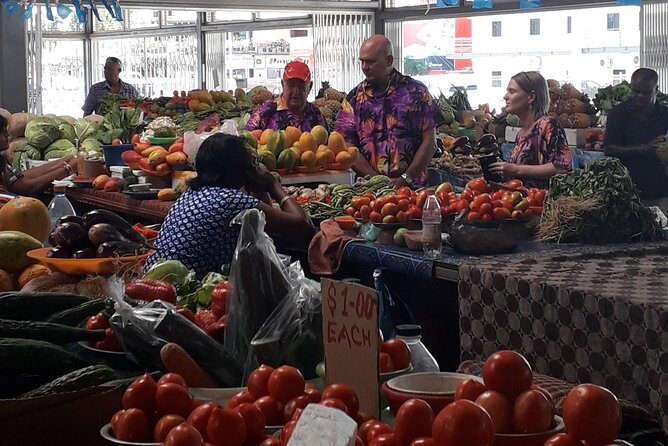
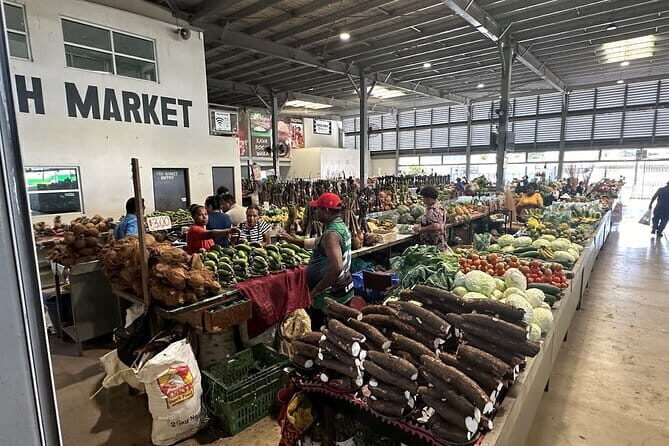
Your tour begins at the Namaka Market produce stop, where local farmers bring seasonal fruits, vegetables, and root crops. This is one of those places where you’ll learn a lot without anyone lecturing you—because you can see what people grow and what’s in season right now.
From a practical standpoint, this is a smart start because markets are visual. You can take photos, talk to vendors, and get a feel for what the region eats. In rainy weather, it can still be lively, and you can use the stop as a quick reset before the more outdoors-y parts later.
A quick reality check: you might find it’s not a perfect place to buy gifts. One common theme from comments is that it’s mostly produce and fish/vegetable-type goods, so if you’re hoping for lots of tourist-friendly take-home items, you may not find much. But if your goal is to understand Fiji beyond a resort bubble, this stop pays off.
My tip: bring a small camera battery and wear something comfortable you can move in. If you plan to snack, it’s usually easier to do it after you browse, not while you’re walking around.
Viseisei Village: where Fiji’s first settlement story becomes real
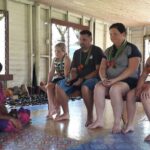
Next you head to Viseisei, described as the first Fijian village where ancestors landed. This is the cultural centerpiece, with a 40-minute ancestral tour included at the village.
What I like about this stop is that it’s not only scenery. You’re meant to connect the dots between land, settlement, and everyday life—how traditions show up in how people live. One of the recurring praises tied to this tour is that the village guide can turn the visit into a real education, not a rushed walkthrough.
You’ll also want to be ready for what village visits usually bring: you’re a visitor in someone’s home community. So keep your tone respectful, follow instructions when given, and ask questions in a way that feels genuinely curious rather than performative.
Possible consideration: if you’re expecting a long, deep village experience, stick with the plan. The time is set for about 40 minutes, and you’ll likely still have moments for photos, but it’s not an all-day cultural immersion.
Vuda Point Marina and the Anchorage Lookout: short drive, good viewpoint
After the village, there’s a shorter hop to the Vuda Point Marina area and the Anchorage Lookout. The goal here is to give your eyes something bigger than market stalls and village buildings.
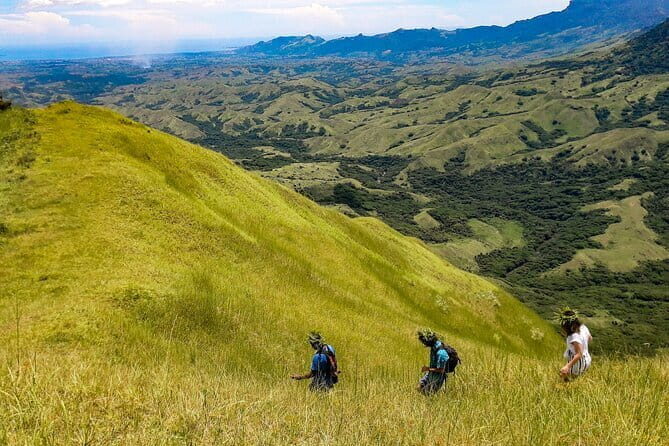
You’ll get a viewpoint over Nadi Bay and the outer islands, with time for photos and quick scenery appreciation. It’s a nice breather between the cultural stops and the garden.
Weather can change the vibe fast. If it’s foggy or rainy, the view may not be dramatic, but it can still feel peaceful. And since this is a shorter stop, you’re not stuck waiting around too long.
My tip: if you have a phone camera with night/low-light settings, switch it on early. Rainy mornings can make everything look softer than you expect, and you’ll want your camera ready.
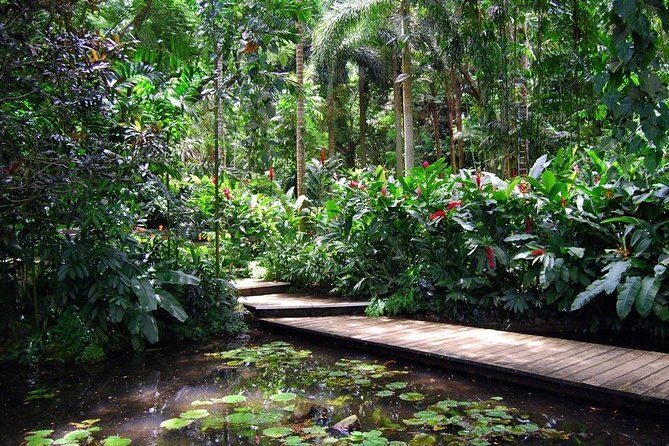
Garden of the Sleeping Giant: flowers, walking, and quiet time
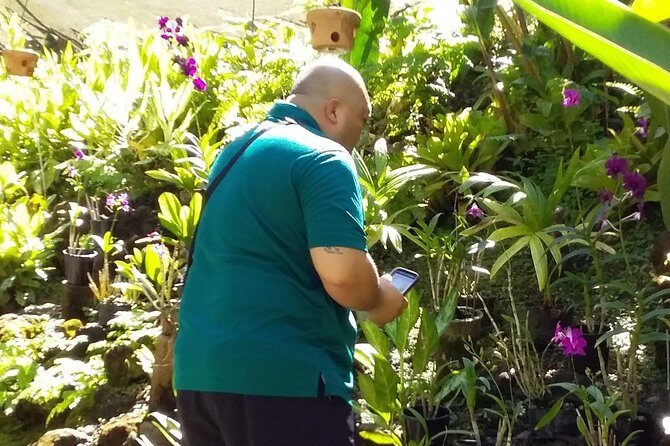
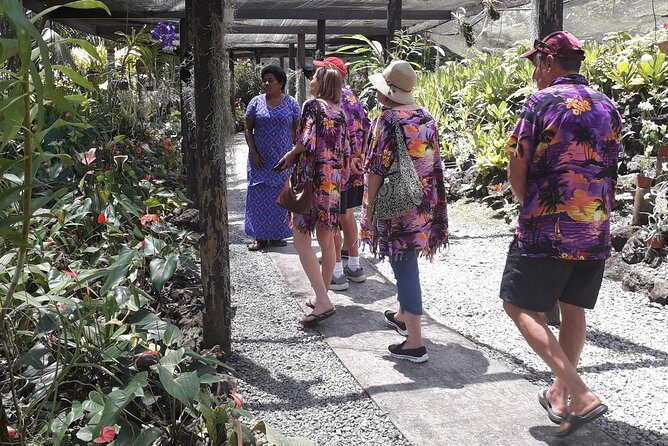
Then you move on to the Garden of the Sleeping Giant, a highlight for many people. You’ll have around 40 minutes to enjoy the gardens, which are described as beautiful and serene.
This is a different kind of stop than the market or village. It’s slower. You can walk, pause, take photos, and let your eyes rest. If you like gardens, you’ll probably spend longer looking at details than you planned.
One practical note from experience-based comments: bring mozzie (mosquito) repellent. Gardens and tropical mornings are where those tiny pests show up and try to ruin your photo. Repellent is a small purchase that can save your sanity.
Even when the weather isn’t perfect, the garden is still worth it. You’re not only hunting for panoramic views—you’re also looking at the paths, plants, and the overall atmosphere.






Sri Siva Subramaniya Hindu Temple: murals, rules, and a careful approach
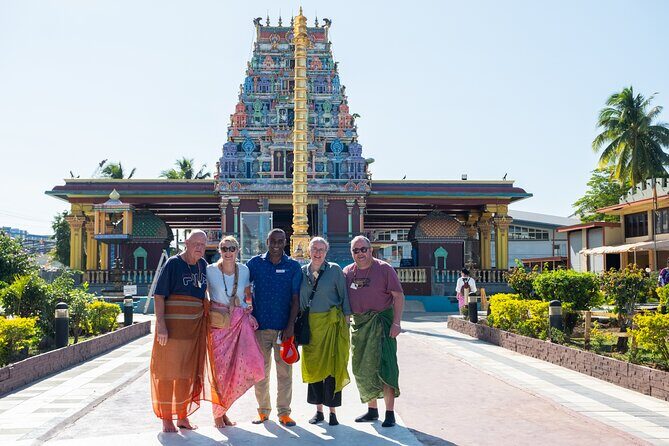
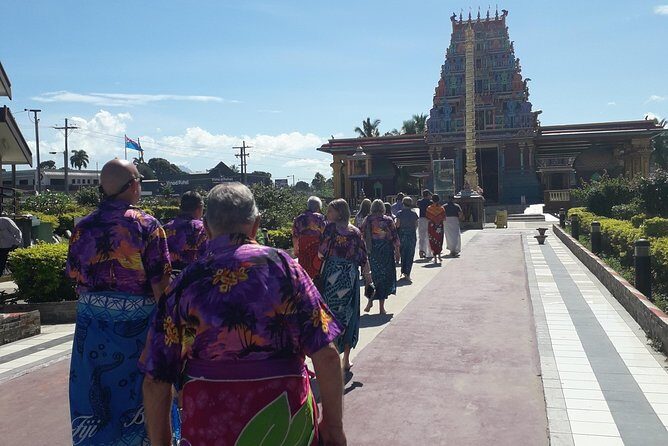
After the gardens, your tour takes a scenic drive through Nadi backroads to the Sri Siva Subramaniya Swami Temple area, ending near the great Nadi Temple.
This part is where you’ll see impressive workmanship, especially through mural artwork and ceiling painting details. One detailed comment notes that a brochure helped explain what you’re looking at more clearly, including the ceiling mural themes.
This is also where you need to plan for temple etiquette. There are clothing restrictions, and you’ll need to go barefoot. That’s not a “maybe”—it’s part of how you enter respectfully.
My tip: wear easy slip-on footwear for the garden and roads, then be ready to go barefoot at the temple. Pack a light layer too, just in case the rules or the indoor areas call for covered shoulders or legs. If you’re unsure, ask your guide before you head in.
The value question: is $79.98 a good deal?
At $79.98 per person, this tour can be great value if you care about covering a lot without spending a full day on logistics. For your money, you get:
- an air-conditioned vehicle
- included landing and facility fees
- and included entries at the Garden of the Sleeping Giant and the Hindu temple
- plus free admission at the produce market and Viseisei stop
The main thing that’s not included is lunch. That means you’re trading “included meal” convenience for a tighter schedule and lower overall friction. If you’re the type who likes to pick your own restaurant, that’s a win. If you hate decision-making when you’re hungry, you’ll want a plan for when and where you’ll eat.
So here’s how I’d judge it: if you’re arriving in Nadi with limited time and want a first-day sampler—market + culture + gardens + temple—this price usually makes sense. If you’re already confident you’ll only enjoy one or two of these stops, you may feel like you’re paying to cover the whole route.
What can make or break your day: your guide and expectations

This is a tour where the guide matters a lot. Many positive notes highlight guides such as Sharon, Navin/Navid, Dev, and Junior Ali, praising them for friendly, professional commentary and for answering questions clearly.
But there are also real warnings to take seriously: a portion of feedback says the experience can feel like a driver service in some cases, with less guide-led explanation at certain stops. Some people also mentioned late arrival issues.
So my advice is straightforward: show up early, keep your tone upbeat, and treat the guide as your main lever for a richer experience. During the drive, ask for context. At the village, ask what to look for. At the temple, ask what the murals mean and what’s most important.
If you get a guide who talks a lot, you’ll feel like you hit the jackpot. If not, at least the stops themselves are varied enough that you can still enjoy the day.
Who this tour suits best
This tour is a great match if:
- you’re doing a short stay in Nadi and want the key sights in one go
- you want a mix of culture and nature instead of only beaches or only markets
- you like asking questions and learning as you move
- you prefer a small group over a big bus
It may be less ideal if:
- you expect a long, guided explanation at every single site
- you dislike barefoot temple rules and strict clothing etiquette
- you only care about one of the major stops and can skip the rest
Should you book this Nadi sightseeing tour?
I’d book it if your goal is a compact, first-time orientation to Nadi that includes market life, Viseisei village context, the Garden of the Sleeping Giant, and a Hindu temple visit—all in one morning-style timeframe.
But I’d hold off or choose carefully if you’re the type who needs heavy, constant narration at every location. In that case, make sure you’re comfortable with a plan that includes self-paced time, and confirm you’ll have a guide doing active commentary during the key stops.
If you do book, come prepared: repellent, comfortable shoes you can ditch for the temple, and a flexible mindset for weather. With that, this is one of the easiest ways to get more meaning out of limited time in Fiji.
FAQ
How long is the Nadi sightseeing tour?
It runs for about 5 hours.
What time does the tour start?
The start time is 8:00 am.
Is lunch included?
No. Lunch is not included.
How big is the group?
The group is limited to a maximum of 13 travelers.
What’s included in the price?
You get an air-conditioned vehicle and included landing and facility fees. Entry for the Garden of the Sleeping Giant and Sri Siva Subramaniya Swami Temple is included as part of the stops on the route.
Do I need to pay for the produce market and Viseisei?
No. The produce market and Viseisei are listed as free admission.
Is pickup offered?
Yes. Pickup is offered.
Are there dress or footwear rules at the Hindu temple?
Yes. There are clothing restrictions, and you have to enter barefoot.
What if the weather is bad?
The experience requires good weather. If it’s canceled due to poor weather, you’ll be offered a different date or a full refund.