REVIEW · DENARAU ISLAND
Wonders of Nadi Tour – Hindu Temple, Sleeping Giant Gardens, Markets & Shopping
Book on Viator →Operated by Excite Tours Travel · Bookable on Viator
Orchids, temples, and market snacks in one half-day. This Nadi guided tour mixes a major Hindu temple visit with hands-on time in local fruit and craft markets, then ends in the Sleeping Giant Gardens for an orchid walk. It’s one of those trips that gives you Fiji flavor without eating your whole day.
I especially like the way the tour turns the Sri Siva Subramaniya Swami Temple into more than photos, with time to see the painted deities and learn the customs around offerings. I also like the produce market stop, because you’re not just looking—you’re surrounded by what people actually buy, and it’s an easy way to understand everyday island life.
One thing to plan carefully: the temple experience comes with dress and shoe rules, and a few visitors found the limits and barefoot requirement more strict than expected. If you’re sensitive to footwear-on-hot-ground or you hate surprise restrictions, read the packing tips below.
In This Review
- Key things I’d watch for
- Getting a Fiji taste of Nadi, without committing to a whole day
- Sri Siva Subramaniya Swami Temple: art, offerings, and shoeless reality
- Nadi produce markets: bright food, quick lessons, and local buying habits
- Handicraft market and shopping time: gifts, artifacts, and a duty-free angle
- Sleeping Giant Gardens: orchid viewing with time to wander
- The tour flow: how 4–5 hours actually feels
- Pickup from Denarau and what you should pack
- Price and value: is $77.61 a fair deal for this mix?
- Who should book this tour—and who might be happier with a different plan
- Should you book Wonders of Nadi Tour?
- FAQ
- How long is the Wonders of Nadi Tour?
- Where does hotel pickup and drop-off happen?
- What does the tour cost?
- Is food included?
- What attractions are included in the tour?
- Are entrance tickets included for all stops?
- What’s the dress code?
- Are there any shoe restrictions for the temple?
- How big are the groups?
- Is this tour okay for children?
Key things I’d watch for
- Temple entry rules can include clothing garment limits and shoeless access, so wear smart, pack practical backups.
- Sleeping Giant Gardens is the pacing reset: about an hour to wander among Asian orchid varieties and get viewpoints.
- Markets are short but real: produce first (about 30 minutes), then handicrafts (about 1 hour) with some duty-free type shopping.
- Guide quality changes the whole day; guides like Jason, Mohammed, and Avi have been singled out for clear cultural commentary.
- No food included, but bottled water is provided—plan a snack strategy if you get hungry.
Getting a Fiji taste of Nadi, without committing to a whole day
Nadi can be a useful base. You can use it to break up resort time with a focused cultural and nature mix. This tour is built for that: short enough to fit in a travel day, structured enough that you don’t spend your time figuring out where to go.
The main tradeoff is that you’re doing four stops in a row, so each one is intentionally timed. You’ll get a guided view of the big highlights, plus some shopping time. If you like “see a lot, learn a lot” more than “stay and linger,” this works well.
At a price of $77.61 per person for about 4–5 hours, the value comes from two things: you’re getting hotel pickup and drop-off (Denarau area and Nadi resorts), plus paid entry for the temple and orchid gardens, plus bottled water and local taxes. Food isn’t included, so you’ll want to handle that separately.
You can also read our reviews of more shopping tours in Denarau Island
Sri Siva Subramaniya Swami Temple: art, offerings, and shoeless reality
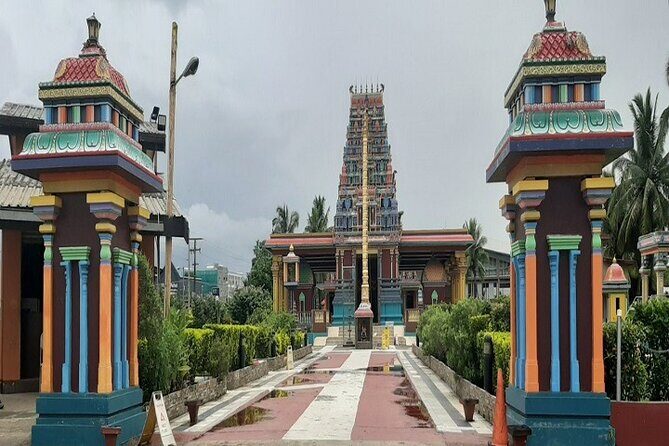
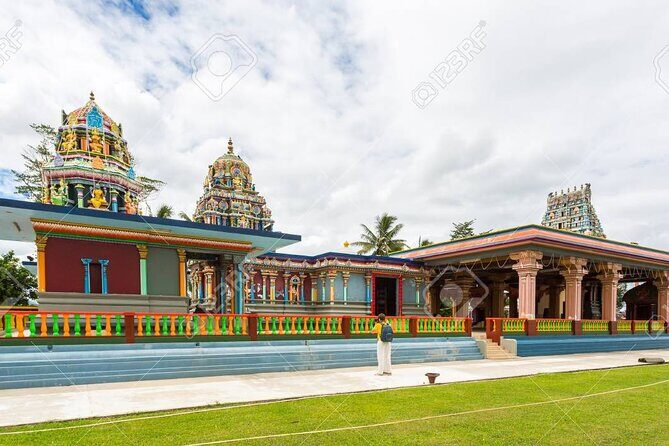
The Sri Siva Subramaniya Swami Temple is the anchor stop. This isn’t just because it’s described as the largest Hindu temple in the Southern Hemisphere—it’s because it’s visually loud and culturally specific. You get to see the colorful deity paintings that cover the interior walls and the general atmosphere of a working place of worship.
What makes this stop worth your time is the way it’s handled with meaning, not just sightseeing. In past tours, people noted an offering moment (a coconut being chopped in front of them) and explanations of what they were seeing. That’s the difference between a quick look-and-go visit and something that actually teaches you something.
That said, here’s the practical consideration: entry to Hindu temples can involve rules that travelers don’t always expect. The tour lists a smart casual dress code, and temple garments may be offered, but limits can apply. Multiple visitors also pointed out that the temple is shoeless, and one even mentioned burnt bare feet on hot ground. That’s not a reason to skip the temple. It is a reason to plan your feet.
My packing advice for this stop:
- Wear footwear that’s easy to remove quickly.
- Plan for bare minutes on the ground and keep a comfortable option in your day bag for after.
- Bring a light layer that fits the smart casual guideline if you’re traveling in sandals and shorts.
If you’re hoping for a purely relaxing stop, the shoe and garment rules can feel like friction. If you’re there to respect a sacred site and enjoy learning, this is one of the most rewarding parts of the day.
Nadi produce markets: bright food, quick lessons, and local buying habits
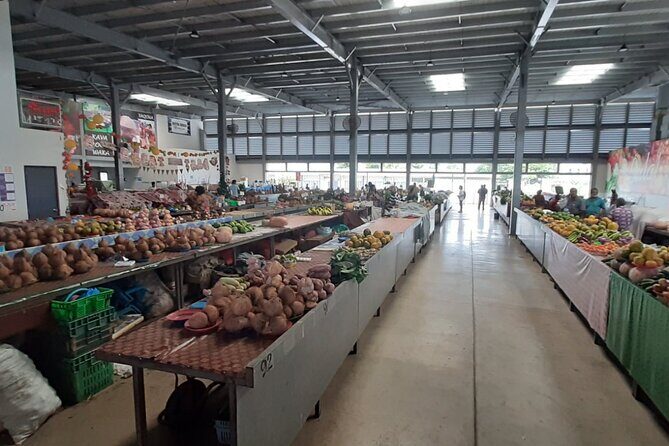
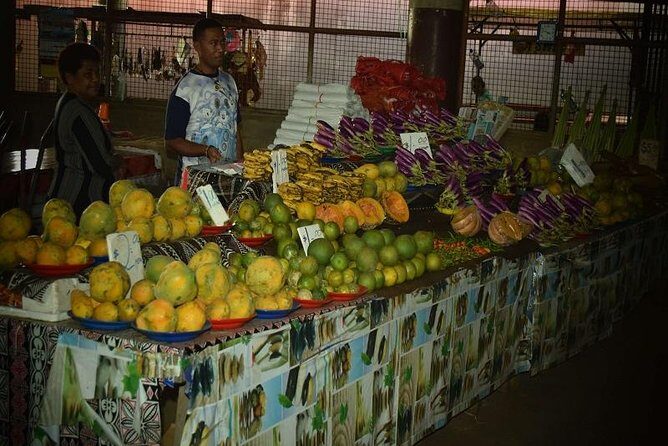
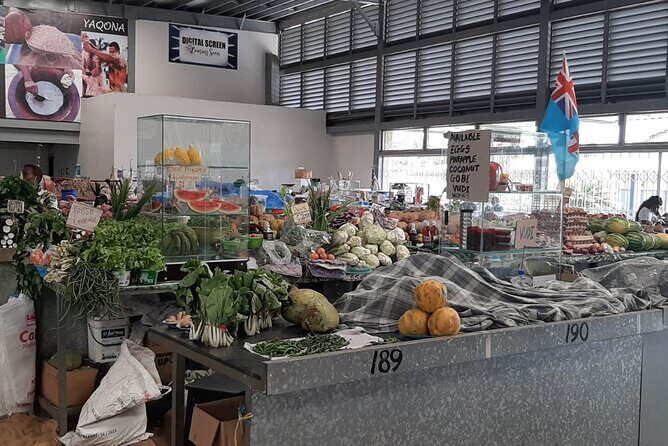
The first market stop is the Nadi Produce Markets, around 30 minutes. It’s a short visit, but it’s the type that gives you an immediate sense of the place. You’re surrounded by colorful fruits and vegetables, and you can see what’s in season and what people are actually choosing for daily meals.
This stop also works as a cultural warm-up. Even when you don’t speak the local language, you learn through what’s displayed and how vendors talk about produce. In feedback from the experience, people highlighted learning about island food and even tasting kava during market time.
One reality check: markets in Nadi are not guaranteed to feel like a tourist street with constant entertainment. It’s more everyday than show. For some visitors, that’s exactly the point. For others, it can feel small or less impressive than they hoped. You’ll probably judge it based on whether you like food and local life more than shopping for souvenirs.
If you do want to buy, do it with eyes open:
- Buy items that are easy to transport.
- Plan for how you’ll carry them back to your hotel.
- If you’re sensitive about smells or heat, go with a quick-in quick-out mindset since markets can be warm.
Handicraft market and shopping time: gifts, artifacts, and a duty-free angle
Next up is the Handicraft Market stop, about 1 hour. This is where you shift from “local food” to “take something home.” You’ll see handicrafts and artifacts, plus time for shopping in what’s described as some famous duty-free shopping.
This can be great if you want practical souvenirs—things you can wrap, carry, and use later. It can also feel like a mixed bag if you’re not into tourist retail. One visitor even called out that some of the shopping opportunity leaned toward a tourist shop, which is useful context: you might find locally inspired goods, but you should also expect the retail side of Nadi tourism.
A smart way to handle this stop:
- Walk first without buying. Look for materials and craftsmanship.
- Think about weight and packaging. Fiji humidity can affect items if stored poorly.
- Set a rough budget before you start negotiating or comparing.
If your priority is authentic handmade art only, you may feel that this stop is more “shopping time” than “craft workshop.” Still, compared to skipping shopping entirely, it gives you a structured chance to browse.
Sleeping Giant Gardens: orchid viewing with time to wander
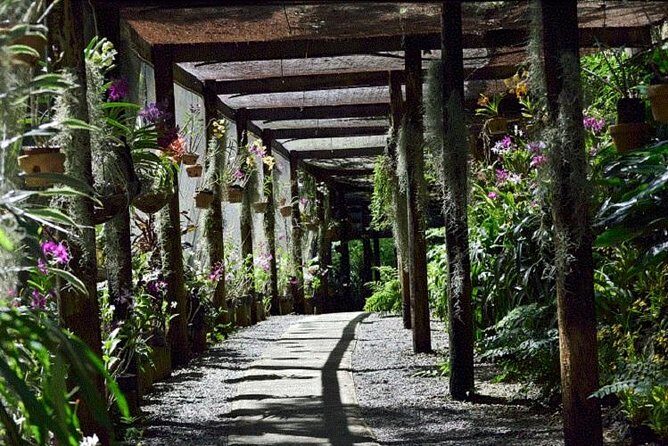
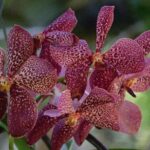
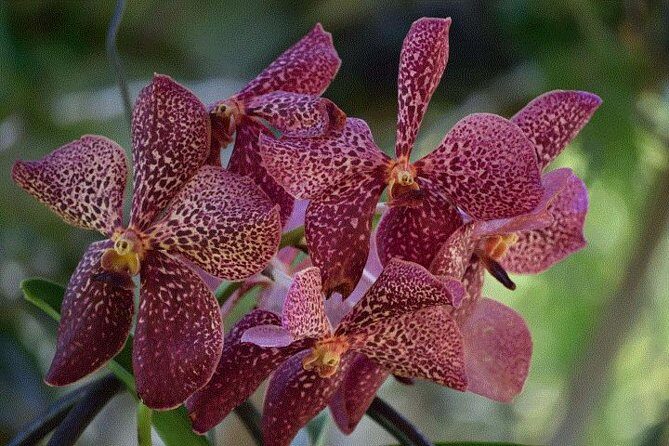
This is the stop that most people remember. The Gardens of the Sleeping Giants are famous for orchids—over 30 to 40 varieties, including Cattleya hybrid types—grown in a setting described as cool shadows of two giant mountains. You get about 1 hour here, with the chance to wander.
One strong reason this garden time works is pacing. You’re not just following a straight line. You get walking time, viewpoints, and space to take photos at your speed. Some groups noted the walk to the viewing platform as the best part.
Weather can affect your experience in Fiji, but it’s not a reason to stress. One account specifically mentioned rain arriving and umbrellas being available, plus refreshments after the walk in the humidity. That’s good to know because it suggests the garden can still feel comfortable even when conditions change.
A practical tip: the garden walk may involve uneven or pebbled paths. If you’re traveling with limited mobility or you hate stepping around rocks, wear supportive shoes for the garden portion and plan your photo stops accordingly. If you’re okay with a short nature walk, you’ll likely find this to be the highlight of the whole itinerary.




The tour flow: how 4–5 hours actually feels
The day is built like a sprint with breathing room:
- Produce markets: about 30 minutes (fast orientation to local food)
- Handicraft shopping: about 1 hour (browse, buy, compare)
- Sleeping Giant Gardens: about 1 hour (orchid walk and free wandering)
- Temple visit: about 1 hour (art, deity paintings, cultural context)
Because it’s all in one loop out of Denarau, the logistics are simple: you get pickup and drop-off in the Nadi/Denarau resort zone, and you’ll have a mobile ticket. The maximum group size is 100, so it’s not a tiny private tour by default. Still, some departures can feel small, and one group specifically mentioned a group of 4. Your real-world experience may depend on your exact departure.
A small but important note: food and drinks aren’t included. Bottled water is provided. That’s helpful, but it also means you should plan to eat before or after, or bring a light snack if you tend to get hungry.
This tour is a strong “break from the beach” option. If you want a relaxing day with zero rules, stay away. If you want a short, well-paced hit of culture plus nature, this delivers.
Pickup from Denarau and what you should pack
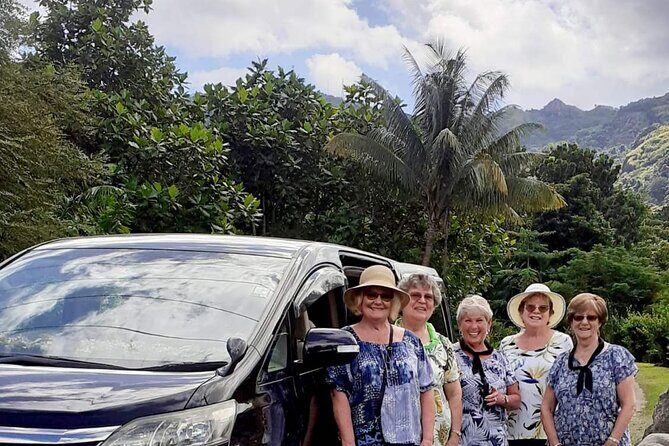
Pickup is available from Denarau Island and the Nadi resort area, and you’ll also get drop-off. That matters, because Nadi can be confusing if you’re trying to do it on your own between attractions.
What to pack is mostly about comfort and the temple rules:
- Smart casual clothing for the temple.
- A plan for shoeless access (easy-to-remove footwear helps).
- A light layer if you’re heading into indoor temple spaces and you run cold.
- Comfortable shoes for the garden walk.
- A snack plan since food isn’t included.
If you burn easily in sun, bring sun protection for the market and garden times. The tour provides bottled water, but Fiji heat is still Fiji heat.
Price and value: is $77.61 a fair deal for this mix?
Let’s talk value in plain terms. At $77.61 per person, you’re paying for:
- Hotel pickup and drop-off within the listed resort zones
- Local taxes
- Bottled water
- Entry at the Sleeping Giant Gardens and Sri Siva Subramaniya Swami Temple
- A guided experience across food, craft shopping, and cultural learning
The stops aren’t long, but they’re not random either. The day is built around three categories that visitors want from Fiji land time:
1) cultural learning at a significant Hindu temple
2) everyday life at produce markets
3) nature beauty at a top orchid garden
If you’re visiting Fiji for a short stay or you want one non-beach day, this price can make sense because you’re buying convenience plus structured sightseeing.
Where it may not feel like a good deal is if your priorities don’t match the stops. For example, if you only care about one place (say, only orchids) and you dislike markets and temple rules, you might feel the time is divided too much. Also, since food isn’t included, you’ll likely spend a bit extra on a meal.
Who should book this tour—and who might be happier with a different plan
This tour suits you if:
- You want a single day that covers temple culture, market life, and orchids.
- You like guided context (the guide commentary is repeatedly praised, with names like Jason, Mohammed, and Avi coming up).
- You’re okay with shopping time, even if part of it is more retail-friendly than craft-only.
You might rethink it if:
- You strongly dislike shoeless rules at sacred sites or you get uncomfortable with garment restrictions.
- You don’t enjoy markets and would rather spend more time outdoors.
- You’re expecting huge, fully developed city sightseeing. Nadi is more practical and real than polished.
Should you book Wonders of Nadi Tour?
Yes, I’d book it if you want one organized day in Nadi that actually gives you variety: temple art and customs, bright produce markets, and a proper orchid garden walk. The best version of this day is guided well and paced so you get both learning and wandering time.
If you do book, do it with two preparations: bring comfort for the temple shoe rules, and plan your food since it’s not included. If those two points are manageable for you, this tour is a solid value way to taste Fiji beyond the resort.
FAQ
How long is the Wonders of Nadi Tour?
The tour lasts about 4 to 5 hours.
Where does hotel pickup and drop-off happen?
Pickup and drop-off are offered for the Nadi Area and Denarau Resorts.
What does the tour cost?
The price is $77.61 per person.
Is food included?
No. Food and drinks are not included.
What attractions are included in the tour?
You visit the Nadi Produce Markets, a Handicraft Market, the Gardens of the Sleeping Giants, and the Sri Siva Subramaniya Swami Temple.
Are entrance tickets included for all stops?
Entrance tickets are free for the Nadi Produce Markets and the Handicraft Market. Entrance is included for the Gardens of the Sleeping Giants and the temple.
What’s the dress code?
The dress code is smart casual.
Are there any shoe restrictions for the temple?
The temple visit involves shoe restrictions and you should be prepared to be shoeless while on site.
How big are the groups?
The tour has a maximum of 100 travelers.
Is this tour okay for children?
Children must be accompanied by an adult.