REVIEW · DENARAU ISLAND
Yasawa Hop-On Hop-Off Pass
Book on Viator →Operated by South Sea Cruises ,Awesome Adventures Fiji, Blue Lagoon Cruise · Bookable on Viator
Golden-gold island days, on your schedule.
This Yasawa Hop-On Hop-Off Pass is built for travelers who want the freedom to choose where the boat stops, then base themselves at an island resort without locking into a rigid day-by-day tour. You depart from Port Denarau on a high-speed catamaran, ride to the Yasawa and (limited) Mamanuca areas, and keep going at your pace with a pre-paid, multi-day pass. You also get a complimentary guidebook plus onboard help via a free Travel Desk and Wi‑Fi.
What I like is the real flexibility: you can select a 5-, 7-, 9-, 11-, 13-, or 15-day version and hop on and off during the validity window. I also like that check-in is designed to be simple, with pickup available from the Nadi area and a catamaran setup that keeps the ride comfortable rather than chaotic. One drawback to plan around: the pass doesn’t replace accommodation—you must have hotel/resort reservations before boarding, and you won’t be allowed to disembark unless you already booked the island stay.
In This Review
- Key things to know before you buy
- Denarau to the islands: what this pass feels like day one
- How the hop-on hop-off system works (and where people get tripped up)
- The Mamanuca portion: southbound freedom, with one strict limit
- Yasawa Islands: 20 islands on the map, 12 with stays you can book
- Each day on the Yasawa Flyer: comfort, support, and Wi‑Fi for check-ins
- Accommodation is not optional—and the minimum stay rule shapes your trip
- Planning your 5 to 15 days: building an island rhythm you’ll enjoy
- Price and value: is $284.48 per person actually a deal?
- Who should book this pass
- Should you book the Yasawa Hop-On Hop-Off Pass?
- FAQ
- How long is the Yasawa hop-on hop-off pass valid?
- Do I need accommodation booked before I can get off the boat?
- Is pickup and drop-off included?
- Can I extend my pass if I want more island time?
- What happens if I travel after my pass expires?
- What’s the cancellation policy?
Key things to know before you buy
- Choose your pass length up front: it runs for consecutive days only, from your first day of travel to the last day shown.
- Your booking is part of the ticket: you need accommodation vouchers before you can get off the boat.
- Limited Mamanuca access: the pass is usable on South Sea Cruises sectors to the Mamanucas, but it’s valid only to South Sea Island.
- Onboard support is real: you get a free Travel Desk and Wi‑Fi on the Yasawa Flyer, plus a complimentary guidebook.
- Small group size: this activity caps at 10 travelers.
Denarau to the islands: what this pass feels like day one
Your trip starts on Denarau Island (Viti Levu), with a meeting time of 8:45 am. From there, you head out by high-speed catamaran toward the Mamanuca Islands and Yasawa Islands. The whole point is simple: you’re paying for transportation plus island-hopping freedom, then arranging your own “where do I sleep tonight?” plan ahead of time.
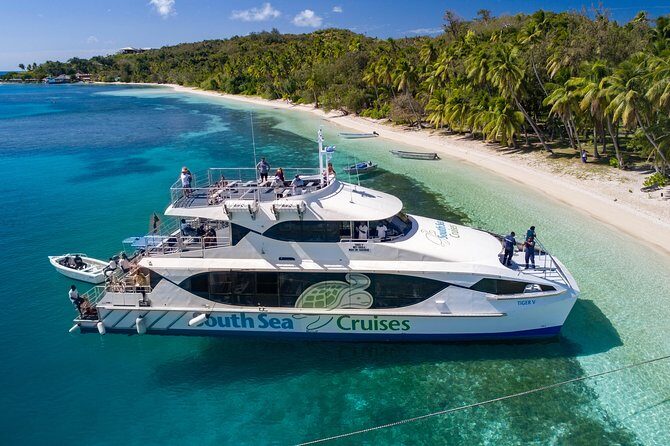
When you board, you’re set up to do the typical Fiji island-hopping routine: look over the complimentary guidebook, scan your options, and decide where you want to hop next during your pass window. Expect views from outdoor decks and an air-conditioned lounge for the ride. This is also where you’ll appreciate the free Travel Desk on board—it’s the easiest way to ask practical questions while you’re still moving.
One practical note that matters: limited availability requires you to confirm hotel reservations before you board. And once you’re on the route, you’re not allowed to disembark unless you have pre-booked accommodation on the island. In other words, you don’t just buy a boat ticket and wing it.
You can also read our reviews of more tours and experiences in Denarau Island.


How the hop-on hop-off system works (and where people get tripped up)
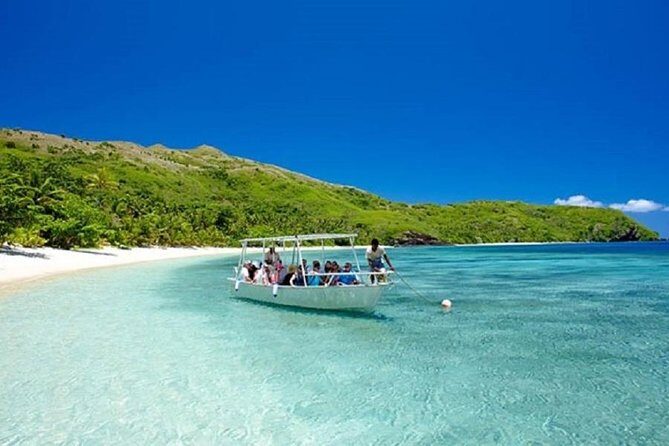
This pass is activated on your first day of travel and stays valid through the last day shown on your pass, with options ranging from 5 to 15 days. The boat uses the pass for “hops between resorts” for the consecutive number of days you chose. If you try to keep traveling beyond your pass dates, you’ll be charged the normal fare for any sector you use outside your validity window.
The big mental shift is this: the pass is flexible, but your island access still depends on your accommodation. Most resorts and hotels require a minimum 2-night stay, and if resorts are full, they won’t take walk-ups. So you’ll want to plan your accommodation sequence before you ever show up at Port Denarau.
There’s also a rule that can surprise people: when you return to Denarau, your pass becomes invalid for any further use. So if your plan is to bounce back to the mainland and then go again, this pass won’t do that second round. Also, the pass is not transferable—if someone else tries to use it, it can be confiscated and remaining value forfeited.
The Mamanuca portion: southbound freedom, with one strict limit
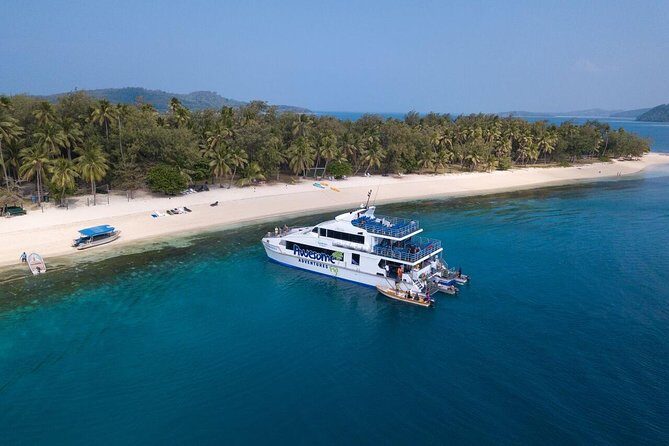
The pass describes access to the Mamanuca area, and it specifically mentions South Sea Island (and also references Beachcomber Island in the overview). But the fine print makes the rule clear for boat usage: passes can be used on South Sea Cruises vessels to the Mamanucas, and this is valid only to South Sea Island.
So here’s the practical advice: before you build your whole itinerary around the Mamanucas, confirm the exact island sectors covered by your pass dates and your chosen hopping plan. If you’re hoping to reach a particular Mamanuca stop beyond South Sea Island, you’ll want to verify it in writing via the Travel Desk.
Also keep in mind that even if transport is covered, you still need the correct resort bookings to disembark. Your boat freedom only becomes real when your accommodation voucher matches the island you’re hopping to.
Yasawa Islands: 20 islands on the map, 12 with stays you can book

The Yasawa Islands are the headline here, with 20 magnificent islands in the group. The useful part for planning is this: 12 of those 20 Yasawa islands offer accommodation, made up of 27 island resorts. That means you can build a stay-based itinerary without constantly changing locations—though you can change as often as your pass days and resort availability allow.
Because you’re using a hop-on hop-off structure, your “itinerary” is more like a menu. You pick where to go next and when, and the boat connects your pre-booked resort transfers. That’s why this pass is great for couples and small groups who know they want the island rhythm, but don’t want to lock into a single fixed circuit.
What you gain is choice: coral atolls, volcanic outcrops, and different island personalities. What you trade is simplicity. You’ll do more planning upfront. The upside is that your trip can feel custom, not cookie-cutter.
Each day on the Yasawa Flyer: comfort, support, and Wi‑Fi for check-ins

You travel on the Yasawa Flyer for the island-hopping portion. The ride includes outdoor decks for ocean views and an indoor air-conditioned lounge if the sun is too much. The boat is set up for day-to-day movement rather than long, single-destination cruising—so you’re constantly moving between the “ride” and the “island plan” parts of your day.
On board, you’ll have the tools to keep decisions simple:
- a free information desk / Travel Desk
- Wi‑Fi on board
- a complimentary guidebook with suggestions and activity ideas
That onboard mix matters because it helps you adjust without panicking. If you want to shift from one resort to another, or you need clarification on what your pass covers for the day’s hopping, the Travel Desk is the place to get a straight answer while you’re still on the water.
Also, this activity caps at 10 travelers, which tends to keep things from turning into a free-for-all at check-in and on the vessel. And with pickup/drop-off from the Nadi area, you’re not dealing with public transport logistics between island reservations and the Port Denarau departure.



Accommodation is not optional—and the minimum stay rule shapes your trip

Here’s the dealbreaker for many itineraries: you must have accommodation booked before disembarking, and reservations are required prior to boarding the catamaran. That means your pass is basically transportation + access framework, and your resort plan is the other half of the ticket.
Most resorts and hotels require a minimum 2-night stay, which affects how often you can change islands. If you love the idea of changing resorts every day, you might find the minimum-stay rule makes that harder than you expect. The good news is that it also gives you breathing room. You’ll actually have time to settle in—swim, snorkel, walk the beach paths, and do the basic island life stuff instead of sprinting from one place to the next.
If you want to stay flexible, there is an option to extend: you can extend your pass anytime during travel but only prior to expiry by paying the price difference to staff at the Travel Desk or via the Awesome Hotline. That’s helpful if your island days run long, but remember: you still need resort bookings that match the new dates.
Planning your 5 to 15 days: building an island rhythm you’ll enjoy
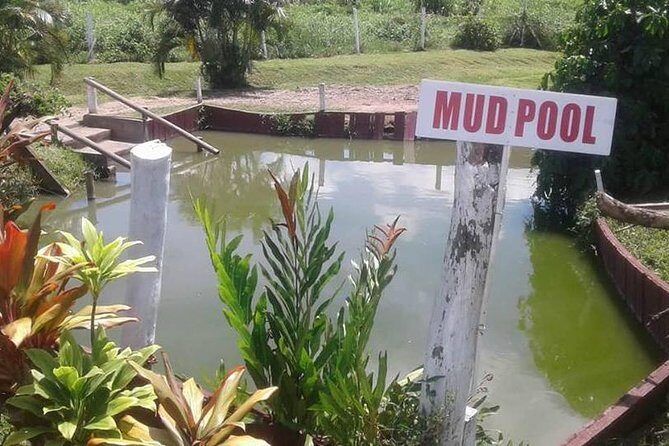
Your pass gives you a time window, not a preset itinerary. For a 5-day pass, you’ll want to keep your resort changes limited and choose the most convenient island sequence. For 7 to 11 days, you can usually do two or three island bases with enough hopping to keep things feeling fresh. For the 13 to 15-day versions, you’ll have room for a slower rhythm—more beach time, fewer “packing and checking out” moments.
The best approach is to line up your resorts first, then match your hops to them. When you do this, the hop-on hop-off part stops feeling like paperwork and starts feeling like freedom.
One more timing detail: if you’re traveling outside your pass validity dates, you’ll be charged the normal fare for any sectors traveled. So treat your pass as the backbone of your routing, not a suggestion.
Price and value: is $284.48 per person actually a deal?

At $284.48 per person, you’re paying for a multi-day catamaran pass with hop-on hop-off flexibility, plus onboard support (Travel Desk, Wi‑Fi) and a complimentary guidebook. Pick-up and drop-off from selected Nadi area also helps reduce friction.
But this is not a full package deal. Hotel accommodation is not included. And because disembarking depends on pre-booked resort vouchers, you’ll likely spend more overall than you expect. Add in that many resorts require a minimum 2-night stay, and suddenly the true “trip cost” becomes your resort choices, not just the boat pass.
So the value question depends on your style:
- If you already plan to book resorts on Yasawa islands and you want flexible transport, the pass can make sense.
- If you’re hoping to minimize planning and just get on and off freely without booking, the rules will frustrate you.
- If you’re counting on specific Mamanuca stops beyond South Sea Island, you’ll want to confirm coverage before committing.
I also think it’s worth taking the review signal seriously: when the plan you imagine doesn’t match what the pass covers, the disappointment tends to be sharp—especially when refunds aren’t offered for certain mismatches. The way to avoid that is to verify your island list and covered sectors before your accommodation is locked in.
Who should book this pass
This experience fits you best if you want:
- flexibility to change islands based on weather, mood, or resort availability (within your pass dates)
- a small-group vibe (max 10 travelers)
- onboard practical help via a Travel Desk and a guidebook rather than a complicated private tour schedule
It’s also a good match if you’re traveling in a way that pairs well with resort life: you’re okay booking ahead, you want privacy and downtime, and you don’t need a strict tour leader to plan every activity.
If you’re the type who wants to pack light and improvise everything without pre-booking, this is the wrong tool. The rules around disembarking and accommodation vouchers mean you have to plan your island stays in advance.
Should you book the Yasawa Hop-On Hop-Off Pass?
I’d book it when your goal is island time with real choice, and you’re willing to do the upfront legwork of booking resorts that match your hopping plan. The combination of hop-on hop-off flexibility, onboard support, and a small cap on the group size makes it feel practical for an independent Fiji itinerary.
I’d hesitate if you’re mainly trying to visit specific Mamanuca destinations beyond what’s clearly covered, or if your main worry is keeping the plan “informal.” The pass is flexible, but it’s also rule-based: accommodation vouchers and pass dates drive everything.
A smart way to decide: before you commit, build your first draft itinerary in your notes—pick your resort sequence and check which boat sectors your pass covers. Once that matches your dream islands, the pass can be an excellent way to experience the Yasawas without feeling trapped.
FAQ
How long is the Yasawa hop-on hop-off pass valid?
You choose a pass for 5, 7, 9, 11, 13, or 15 days. It’s activated on your first day of travel and stays valid through the last day shown on your pass.
Do I need accommodation booked before I can get off the boat?
Yes. You’re required to confirm hotel reservations prior to boarding, and you’re not allowed to disembark unless you have pre-booked accommodation on the island. Most resorts often require a minimum 2-night stay.
Is pickup and drop-off included?
Yes, pickup and drop-off are offered from selected Nadi area locations.
Can I extend my pass if I want more island time?
You can extend anytime during travel, but only prior to expiry, by paying the price difference up to the longer pass option. You can do this at the Travel Desk on the Yasawa Flyer or by calling the Awesome Hotline.
What happens if I travel after my pass expires?
If you’re still traveling outside the date range of your pass, you’ll be charged the normal fare for the sector traveled.
What’s the cancellation policy?
You can cancel for a full refund if you cancel at least 24 hours in advance of the experience start time. If you cancel less than 24 hours before the start time, the amount paid is not refunded.