REVIEW · VITI LEVU
Jewel Of Fiji incl Fijian Village, waterfall & Lunch(Nadi Hotels)
Book on Viator →Operated by Discover Fiji Tours · Bookable on Viator
This tour is a full-on taste of Fiji. You’ll go up the Navua River by boat, swim beneath the tallest falls in the Navua area, then switch to a bamboo raft, before heading into a Fijian village for kava and a traditional lovo lunch.
I especially love the way the day blends active nature time with real village culture, not just a quick photo stop. The second win for me is the pace: you get time in the water, time on the raft, and time to actually learn how people live.
One thing to think about: the transport time can be long, especially if you’re starting from Nadi or Denarau, so bring patience (and snacks for the drive).
In This Review
- Key moments worth the time
- A long island drive to Navua that’s actually part of the experience
- Motorboat up the Navua River: scenery, villages, and bird-spotting
- Magic Waterfall swim: cold water, big satisfaction
- Bamboo rafting: traditional travel with a surprisingly smooth feel
- Into the Fijian village: yagona (kava), dances, and village crafts
- Lovo lunch: what’s in the banana leaves matters
- Price and value: $111.17 includes the stuff that usually costs extra
- Practical tips that save your day (and your phone)
- Who should book Jewel Of Fiji, and who might not
- Should you book it? My decision guide
- FAQ
- How long is the Jewel Of Fiji tour?
- Does the tour include hotel pickup and drop-off?
- What activities are included besides lunch?
- What time is spent at Magic Waterfall and on the raft?
- Is lunch included, and what is it?
- What happens if weather is bad?
Key moments worth the time
- Navua River boat ride with rainforest scenery and wildlife spotting (including wild ducks and heron)
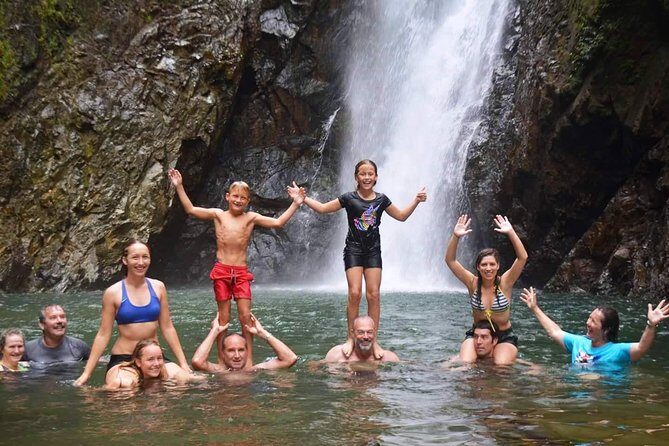
- Magic Waterfall swim under the cascade, with about 30 minutes in the water
- Bamboo rafting using a traditional method of travel, followed by a boat transfer onward
- Fijian village welcome ceremony with yagona (kava) and optional participation in dance
- Lovo lunch cooked underground in banana leaves, plus fruit and salad
- Guides you can connect with, with village hosts like Nem or Phem often leading the cultural side
A long island drive to Navua that’s actually part of the experience
First, let’s be honest: this is not a quick day trip. If you’re in the Nadi/Denarau zone, you’re looking at around 2.5 to 3 hours each way just to reach the Navua area, with a short coffee and restroom stop on the route. In real life, that can stretch longer depending on pickup location and traffic.
But I like that the travel isn’t wasted time. You pass sugarcane farms, villages, resort areas, farmland, and that “Fiji in motion” feeling you don’t get from staying put by the beach. It gives you context for what you’re about to see—river life, village life, and why this region is known for outdoor adventure.
The tour runs about 9 to 10 hours total, and the schedule is built around the order that makes sense: water and rafting first, village culture right after. That means you don’t end up hauling wet stuff around for hours with nothing to do. Still, build your day around it. This is a get-up-early, commit-for-a-full-day kind of outing.
A few more Viti Levu tours and experiences worth a look
Motorboat up the Navua River: scenery, villages, and bird-spotting
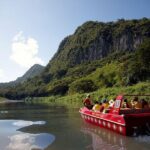
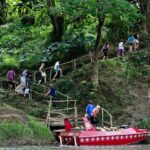
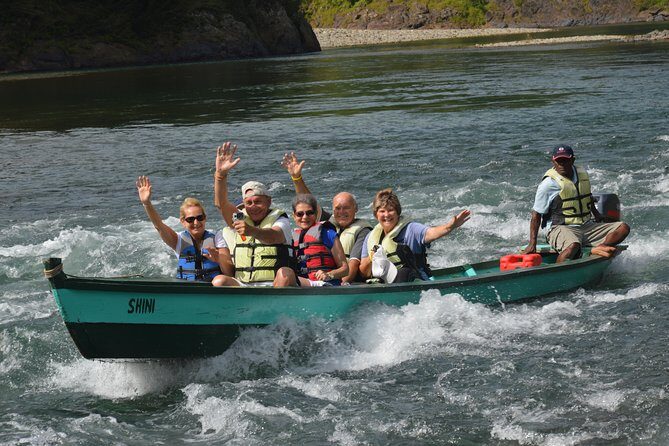
Once you reach Pacific Harbour/Navua, you jump onto a motorboat for the river ride. This is about getting you into the rhythm of the area: pass villages, rainforest, gorges, farmland, and rapids, then keep an eye out for native birds like wild ducks and heron. You also get the thrill of being on a working river route, not a calm lake loop.
The boat time is roughly 45 minutes up to the Magic Waterfall area. In that window, you’ll usually see enough variety to stay interested even if you’re not the “nature photo every 10 seconds” type. It’s also the easiest part to enjoy if you’re traveling with mixed ages, because you’re not hiking for long stretches.
Practical note: you’ll be in boat seating that’s meant for river travel, so hold onto your essentials. Bring a waterproof phone pouch if you’re picky, or at least keep your phone in a bag that can survive splash and mist. The water around the waterfall later is clear and inviting, but the whole day has “wet potential.”
If you’re sensitive to motion, tell your guide early. The guides and drivers on this route generally manage the day with a focus on keeping guests comfortable while still delivering the full river experience.
Magic Waterfall swim: cold water, big satisfaction
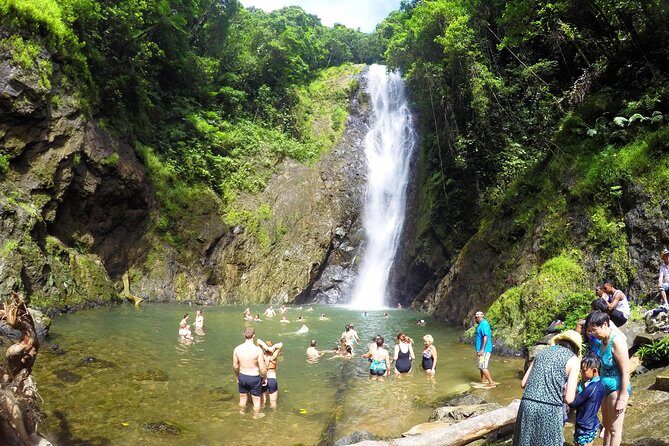
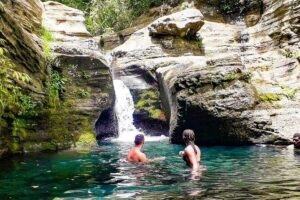
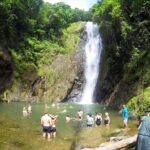
Magic Waterfall is the tallest falls in the Navua area, and the timing is made for an enjoyable swim rather than an ordeal. You’ll spend about 30 minutes here, which is usually enough time to get in, cool off, and enjoy the moment without feeling rushed.
The main idea is simple: you reach the falls area, then you take a dip beneath the cascade. Expect the water to be cold when you first jump in. That shock fades quickly once you start moving. It’s the kind of swim that resets your whole day.
This stop is also where you can read the rainforest up close—air gets damper, sound changes, and you feel that “how did nature make this place?” effect. Even if you don’t go in all the way, standing near the falls is still the highlight.
A small drawback: this is dependent on weather and water conditions. The tour requires good weather. If conditions aren’t right, you may be offered a different date or a full refund. So don’t schedule this as your one and only Plan A on a day when storms are likely.
Bamboo rafting: traditional travel with a surprisingly smooth feel
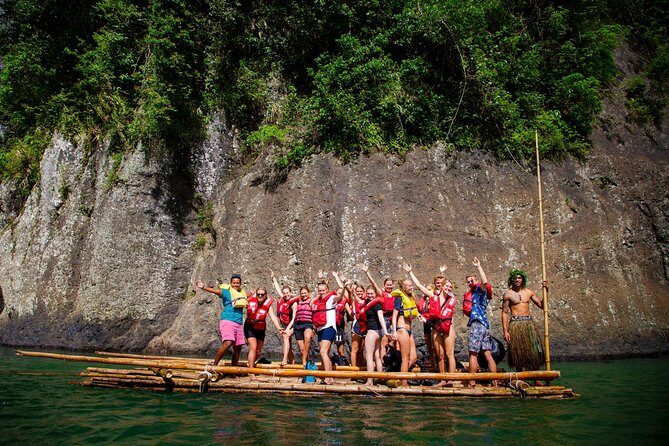
After the waterfall swim, you move into the bamboo rafting portion. This is about 30 minutes on the raft, with some extra time tied to the transfer and setup—plan for roughly 45 minutes total for this section.
The raft itself is a traditional method of transport used by Fiji’s native ancestors. That matters because it changes the tone of the tour. The boat ride is motorized thrill. The raft is slower and more hands-on in the way you experience the river—your body feels the water differently, and you notice the bend and flow in a calmer way.
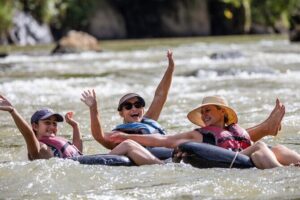
It’s often described as a smooth ride, and that aligns with why this portion works well for families and first-timers. You’re not tackling rapids at full chaos. You’re gliding through a scenic section of the river while you watch the rainforest edges and bank life.
One thing to keep in mind: you’ll likely be wearing something that got damp at the waterfall. So think through footwear and a change of clothes. Some people find it worth bringing a second set of clothes so you can enjoy the village portion comfortably afterward.
Into the Fijian village: yagona (kava), dances, and village crafts
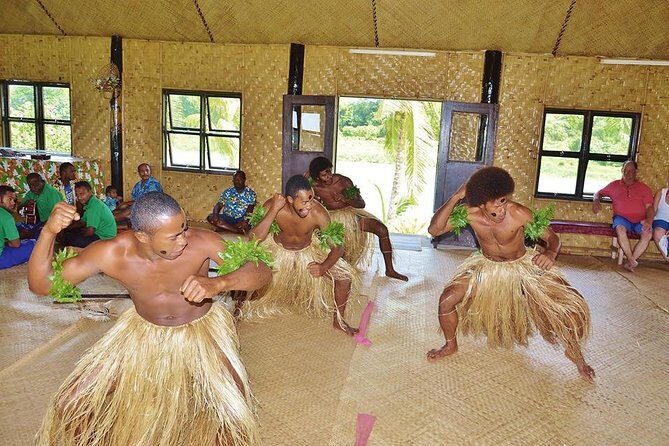
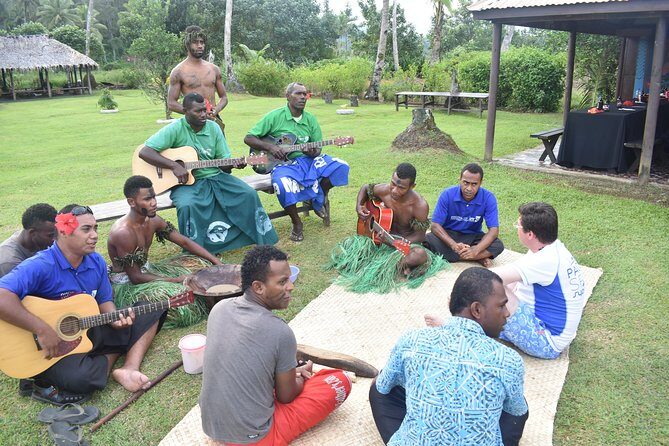
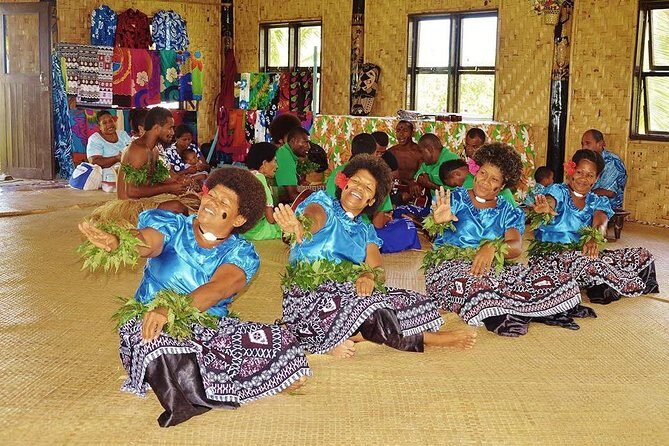
This is where the day becomes more than just outdoor adventure. You arrive at a village and are guided to the bure, the meeting house. Then the welcome ceremony starts—yagona, which is the kava ritual. You can usually try kava during the ceremony, and it’s a real window into social tradition, not just a staged performance.
You’ll hear village history—founded in the early 1800s—and watch cultural dances. A war dance is part of the show, and a snake dance may be available for you to join if you want. Some guests treat this as a “watch and respect” moment. Others jump in and learn with everyone else. Either way, you’re not passive the whole time.
Then come the practical cultural activities. You might see traditional fabric painting and observe women braiding mats. Those small skills are often the best part, because they connect culture to daily life.
This is also where guide quality really shows up. Names that come up often include Nem as a village guide and Phem as another host. Both are described as passionate and entertaining, with the kind of storytelling that makes it feel like a living place rather than a museum stop.
A quick respect note: if you’re planning to interact with people, keep your approach calm and open. Ask questions. Follow cues. And if you want to bring small gifts for children in the village, that’s a suggestion some people make—just keep expectations simple.
Lovo lunch: what’s in the banana leaves matters
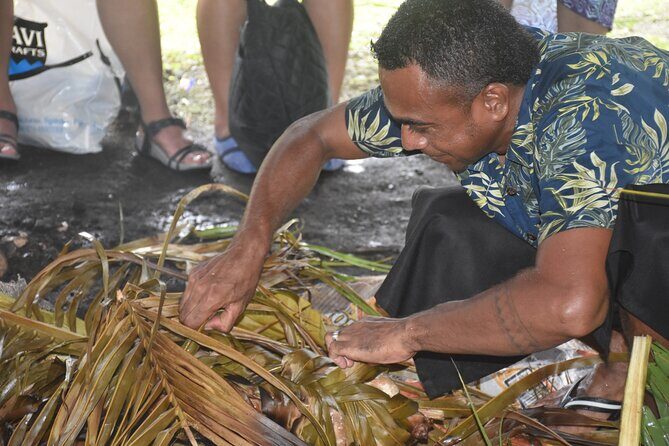
After activities, you’ll enjoy lunch cooked in a lovo style: fish, meat, and vegetables like wild yams, wrapped in banana leaves and baked underground. Fruit and salad come with the meal.
This lunch is one of the easiest reasons the tour feels like value. You’re not just buying a meal; you’re getting a traditional cooking method and a sit-down cultural pause after getting wet and moving around.
Lovo is also a “shared” kind of food. Even if you don’t eat everything, the format makes you slow down. And because the lunch comes after swimming and rafting, it hits differently. You’re hungry in a good way—because you’ve earned it.
If you’re picky, you should still be able to find something that works, but the menu is what it is: fish, meat, and vegetables. The tour data doesn’t list special dietary options, so if you have strict needs, I’d contact the operator before booking.
Price and value: $111.17 includes the stuff that usually costs extra
At $111.17 per person, this is not the cheapest tour on Fiji. But the math is clearer when you list what’s included:
- hotel pickup and drop-off
- professional guide
- boat ride up the Navua River
- Magic Waterfall swim time
- bamboo rafting
- village activities including kava ceremony and cultural performances
- lovo lunch
The only commonly mentioned extra is souvenir photos (available to purchase) and personal shopping. So the tour tends to feel like a “one price, most of the day handled” experience.
The biggest factor affecting value is where you start from. From Nadi or Denarau, you’re paying that “time cost” in your day. From closer areas, you might feel like you get a better ratio of activity hours to travel hours. Still, even with a long drive, many people feel the river + waterfall + village combination makes it worthwhile.
Also, this tour has a maximum of 100 travelers, so you’re not inside a massive livestock market. Group size isn’t the smallest you’ll find, but it’s not a micro-experience either. The guide structure usually helps keep the day moving.
Practical tips that save your day (and your phone)
Here are the practical things I’d do based on what consistently matters during this kind of wet, active route:
- Bring a second set of clothes if you can. You’ll get damp from the waterfall and may still be damp during the village portion.
- Use water-friendly footwear. You don’t need fancy gear, but something with grip helps when surfaces are slick.
- Keep essentials secure on the boat. Splash and mist happen. A small waterproof pouch or dry bag keeps you from worrying.
- Arrive ready for a long bus ride. This is 9 to 10 hours total, and the drive can be long from Nadi. Plan for it mentally so you don’t feel annoyed halfway through.
- Expect weather influence. The tour needs good weather. If conditions aren’t right, you’ll be offered another date or a full refund.
- If kava and cultural participation matter to you, ask early. The ceremony includes yagona (kava), and dances may be optional for participation.
One more caution: there’s at least one negative account about how someone felt they were treated based on skin tone. I can’t generalize that into “this will happen to you,” but if cultural comfort, fairness, or guide interaction matters a lot to you, it’s worth checking with the operator about how guides are assigned and what to expect for your group.
Who should book Jewel Of Fiji, and who might not
This tour is a strong fit if you want a day that’s not just sightseeing. If you like river scenery, waterfall swimming, and cultural stops where you actually learn something, you’ll probably enjoy the structure.
It’s also a good match for families who want a mix of activities. There’s a clear “most travelers can participate” feel, and the time in the waterfall and on the raft is limited so it’s not a punishing trek.
You might reconsider if:
- you hate long transport days and need everything within a short radius
- you’re not comfortable with water or cold swims
- you have strict dietary needs that aren’t covered by the basic lovo menu
- you’re highly weather-dependent and can’t flex plans (because the tour requires good weather)
Kids must be accompanied by an adult, so plan accordingly.
Should you book it? My decision guide
Book it if you want one day that checks multiple Fiji boxes at once: Navua River adventure, a real waterfall swim under Magic Waterfall, bamboo rafting, and a Fijian village welcome with yagona (kava) and lunch cooked in a lovo.
Skip it or swap it for something closer to your base if your main goal is relaxed beach time, because the ride from Nadi/Denarau can dominate your day. Also skip if you’d struggle with wet conditions or you can’t be flexible with weather.
If you’re okay committing to the day and you like hands-on experiences—river, raft, and culture—this tour’s mix is hard to beat for the price.
FAQ
How long is the Jewel Of Fiji tour?
The tour runs about 9 to 10 hours.
Does the tour include hotel pickup and drop-off?
Yes. Pickup and drop-off are included, and you select the option based on your hotel location.
What activities are included besides lunch?
You’ll ride a motorboat on the Navua River, swim beneath Magic Waterfall, do bamboo rafting, and visit a local Fijian village for cultural activities including a yagona (kava) ceremony and dances.
What time is spent at Magic Waterfall and on the raft?
You should plan for about 30 minutes for the waterfall swim, and about 30 minutes on the bamboo raft (with extra time for the related transfer and setup).
Is lunch included, and what is it?
Lunch is included. It’s a traditional lovo meal with fish, meat, vegetables such as wild yams, wrapped and cooked in banana leaves underground, plus fruit and salad.
What happens if weather is bad?
The experience requires good weather. If it’s canceled due to poor weather, you’ll be offered a different date or a full refund.