REVIEW · VITI LEVU
Naihehe Cave Safari in Sigatoka with BBQ Lunch
Book on Viator →Operated by Sigatoka River Safari · Bookable on Viator
Caves in Fiji come with a twist. Naihehe Cave Safari in Sigatoka mixes off-road travel, a village visit, and a guided cave experience that’s tied to real local beliefs and stories. You also get fed: BBQ lunch, snacks, and drinks are part of the deal.
What I really like is how the tour handles the hard parts for you. You’re not stuck figuring out muddy roads and unmarked tracks; you ride in an off-road vehicle with a guide who explains what you’re seeing and why it matters. I also like that the day includes a traditional kava ceremony before entering the cave system, so it feels respectful, not just sightseeing.
One consideration: the cave can involve standing water and slippery footing. Wear shoes you don’t mind getting wet, because you may wade through areas with water around your legs, and there’s no point trying to do this one barefoot.
In This Review
- Key things to know before you go
- The Off-Road Advantage: Getting to Naihehe Without the Wrong Roads
- Sigatoka River to Village Culture: The Morning’s Pace
- Kava Ceremony and Permission to Enter the Naihehe Caves
- Inside Naihehe Caves: Formations, Footing, and Stories
- BBQ Lunch, Snacks, and Drinks: Value for Your Money
- Should You Book This Naihehe Cave Safari?
- FAQ
- Where does the Naihehe Cave Safari start?
- What time does the tour run?
- How long is the experience?
- What’s included in the price?
- Is there a vegetarian option?
- What is the dress code?
- Will I need shoes that can get wet?
- How big are the groups?
- What happens if the weather is bad?
- Can I cancel for a full refund?
Key things to know before you go
- Off-road access gets you to rural areas you’d struggle to reach on your own
- Village visit is built in, with time for real cultural interaction
- Kava ceremony with permission from the bete (priests) is part of the experience
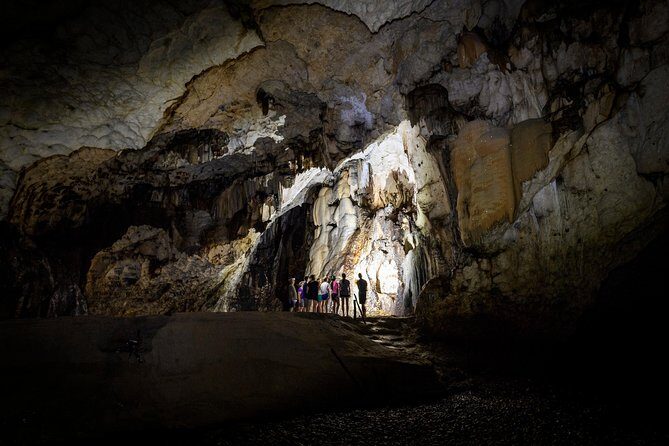
- Guided cave walk focuses on natural formations like stalagmites and stalactites
- BBQ lunch + drinks are included, so you’re not hunting for food mid-day
- Small group size caps the tour at 34 travelers
The Off-Road Advantage: Getting to Naihehe Without the Wrong Roads
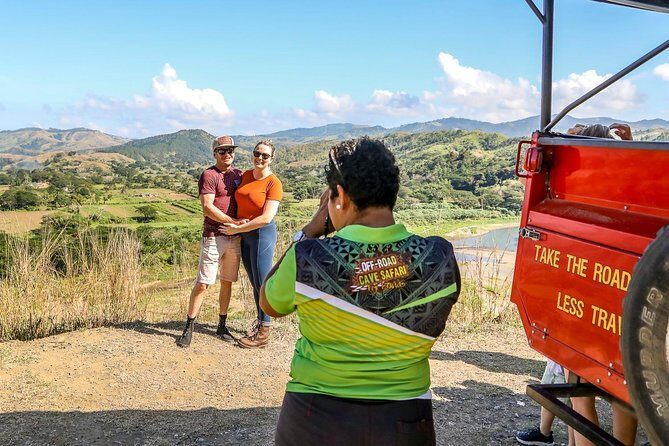
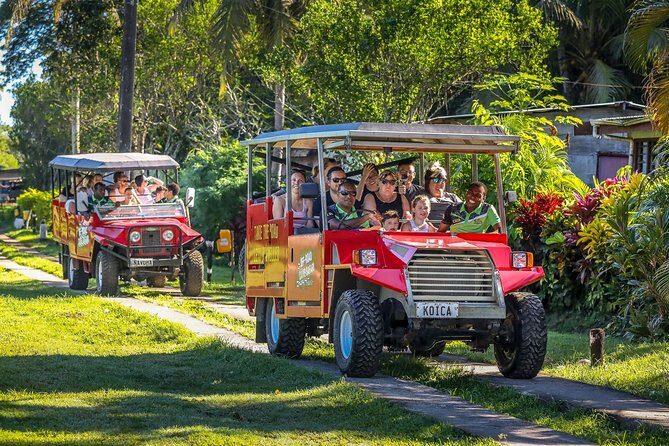
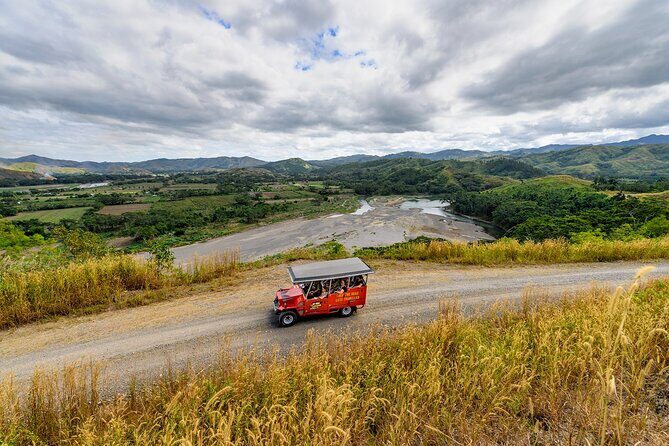
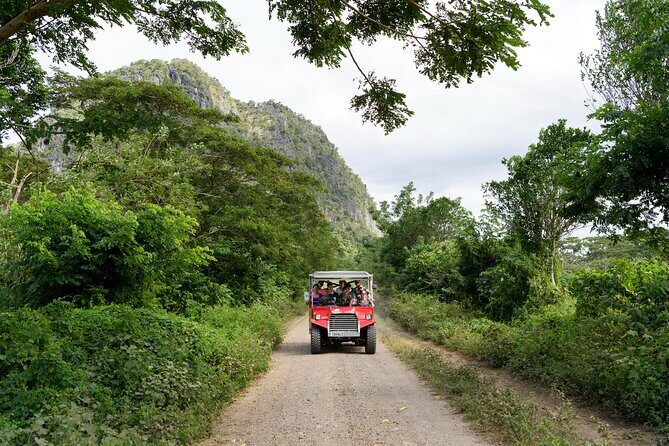
The biggest value here is simple: this is an off-road cave safari, not a quick drive-and-walk. The route takes you through farm land, countryside, and village areas where you’re meant to see how people actually live—not just pass by scenic viewpoints. In practice, that means you spend your time on the fun parts (the ride, the stories, the cave), instead of wrestling with directions.
The transport approach also matters. You’ll travel by a mix of ways through the day—there’s time on the water first, then you switch to an off-road vehicle for the interior. It’s a nice change of rhythm. The day keeps moving, but you still get breaks like the village stop and the meal, so it doesn’t feel like one long slog.
Also, the guides aren’t just reciting facts from a script. The best part of the experience is that local guides—people like Sadam and Moses in past groups—can explain what you’re seeing in a way that connects to everyday life. You’ll hear village context along the route, and then the cave story lands more clearly once you’re standing there.
If you’re the type who likes your travel to be more than photos, this works. The cave isn’t framed as a random “cool rock hole.” You’re taught how the cave system fits into the community’s history and protection beliefs—so your time underground feels purposeful.
A few more Viti Levu tours and experiences worth a look



Sigatoka River to Village Culture: The Morning’s Pace
The day starts in Sigatoka, with the experience beginning around 8:45 am and ending back at the same meeting point. That timing is useful because you’re out before heat and traffic build, and you still have daylight for the return.
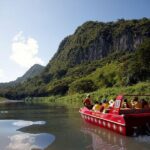
A highlight is that the morning includes a short Sigatoka River experience by safari jet boat. This adds speed and thrill early, and it gives you that Fiji feeling of mixing water and land travel in one outing. It’s also a good warm-up for the day’s main theme: getting off the main roads and into places you can’t easily reach solo.
After the river portion, you visit a village. The tour uses 17 villages in total and rotates which one you’ll see, aiming to share authentic village life rather than repeat the same stop for everyone. You should expect a real interaction, not a staged photo line. The guides share context about the region and the culture as you go, and once you’re in the village, you’re part of the flow of the day.
Then comes the shift from open-air culture to cave preparation. You’ll head from the village area toward the cave approach, and the day’s tone turns more serious—especially when the cave permission ritual happens (more on that next).
One small drawback to keep in mind: depending on where you’re staying and how the pickup lines up, the experience can feel longer than the headline duration. It’s still approximately 4.5 hours, but travel time from your hotel zone can change how the day feels.
Kava Ceremony and Permission to Enter the Naihehe Caves
Before anyone walks into the cave, you’ll take part in a traditional kava ceremony. The key detail is that it’s not just a cultural “extra.” You’re seeking permission to enter the cave, led by the bete, the traditional protectors of the cave.
For many people, this is the moment when the tour becomes more than adventure. Kava is a real part of social life in Fiji, and here it’s used as a sign of respect for the place you’re about to enter. You may also get a chance to taste kava during the ceremony, depending on how the group is run.
This is the kind of moment that changes your cave experience. If you treat Naihehe like a random attraction, you only see rock formations. If you go in with the right frame—permission, respect, and a guide explaining the meaning—you understand why the cave matters to the people who live nearby.
The story you’ll hear is tied to the cave system’s role in protecting people during the last war of Fiji. That historical context helps explain why the cave isn’t just geography; it’s safety, shelter, and memory. You’ll also hear about why entering the cave has rules and rituals around it.
Practical note: the ceremony adds time, but it also adds value. It’s the emotional gear shift from “tour day” to “a place with meaning.”
Inside Naihehe Caves: Formations, Footing, and Stories
Once you enter Naihehe, you get a guided cave walk focused on natural formations. Expect to see classic underground features like stalagmites and stalactites, and your guide will connect what you’re looking at to the cave’s importance to the local community.
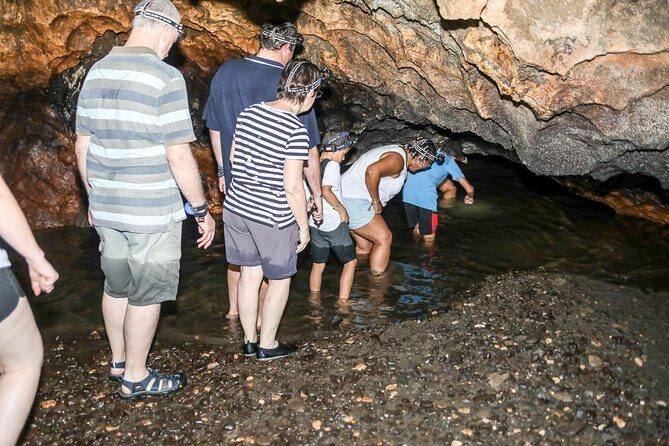
Now, let’s talk comfort and safety, because this is where you’ll get the most benefit from preparing. Some parts of the cave involve standing water, and in certain areas you may wade through water that can reach above your knees. The tour itself gives you the experience, but it doesn’t magically change physics. Dry shoes are not the goal here.
Bring footwear that can handle wet and mud. Think water shoes or durable sandals with grip, not delicate stuff you want to save for dinners. If you’re worried about slipping, this is where you’ll thank yourself later. One practical tip I’d give: test your balance a little at a time, and follow your guide’s pace—cave footing rewards calm, not speed.
Another comfort item: you might get sarongs provided for women to help with modesty and ease. Even if that’s not your style, it’s worth knowing the tour can account for clothing needs once you’re inside.
What you’ll remember isn’t only the cave shapes. It’s the way the guide tells the story—connecting the cave to protection and tradition, then pointing out formations as you go. The cave walk has enough structure that you feel led, not herded, and the explanations make the whole underground stretch click.
Yes, it’s adventure. Off-road days sometimes come with surprises too. In past groups, there’s been fun “road happens” moments like getting bogged for a while. That’s not dangerous, just part of real terrain. If you’re okay with a little unpredictability, you’ll enjoy the ride.
BBQ Lunch, Snacks, and Drinks: Value for Your Money
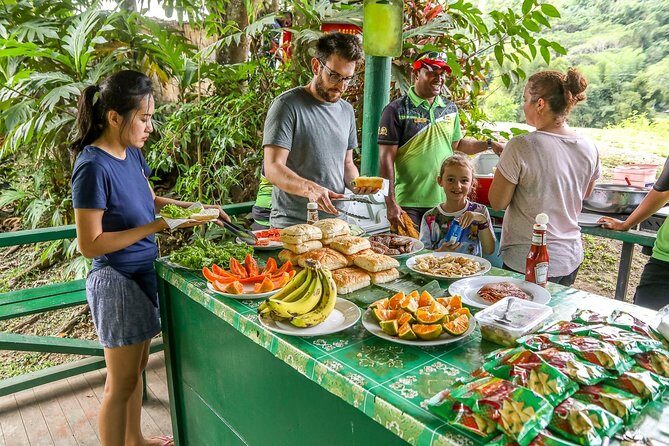
The meal setup is one of the smartest parts of this tour. You get BBQ lunch, plus snacks and beverages, and bottled water is included. That matters because you’re going to be active: water travel, off-road riding, then walking in and around cave areas with wet footing.
At $126.53 per person, you’re not just paying for entry to a cave. You’re paying for transport in and out of the interior, a guide who handles cave explanations and cultural ritual, and the feeding plan that keeps the day comfortable. With remote experiences, the “included food and drinks” piece often decides whether you feel relaxed or stressed.
The BBQ lunch is served at the right moment—after your cave time—so you’re refueled when you’re most likely to want it. Many people come away saying the lunch hit the spot, and that the day felt well organized rather than rushed.
One more value point: drinks and snacks help you pace yourself. You can eat enough to keep going without feeling like you need a full restaurant meal. And because you don’t have to manage extra stops for food, the day stays focused on the cave and culture.
If you have dietary needs, you should flag them when booking. The tour notes that specific dietary requirements can be advised ahead of time, and a vegetarian option is available.
A few more Viti Levu tours and experiences worth a look
Should You Book This Naihehe Cave Safari?
If you want Fiji that feels less like a checklist and more like a lived-in day, I’d book it. This tour is built around three high-impact pieces: off-road access, a village + kava permission moment, and a guided cave walk where you learn what you’re seeing. It’s also good value because lunch, snacks, and drinks are included.
Book it especially if:
- You like tours where the guide adds context, not just directions
- You’re comfortable with wet cave conditions and can bring grippy footwear
- You want a culture-and-nature mix in a short time window
Skip it (or think twice) if:
- You hate getting muddy or dealing with wet footing
- You’re looking for a fully dry, easy walk with zero wading
Bottom line: for many people, Naihehe becomes the “how did we get there?” highlight of a Fiji trip. Just show up prepared for the cave to be wet, and you’ll get the full payoff.
FAQ
Where does the Naihehe Cave Safari start?
The tour starts in Sigatoka, Fiji and ends back at the meeting point.
What time does the tour run?
The start time listed is 8:45 am.
How long is the experience?
The duration is about 4 hours 30 minutes.
What’s included in the price?
The tour includes bottled water, beverages, lunch, snacks, local taxes, and a driver/guide.
Is there a vegetarian option?
Yes. A vegetarian option is available if you request it at booking.
What is the dress code?
The dress code is smart casual.
Will I need shoes that can get wet?
The cave can involve standing water, and some areas may require wading. Bringing footwear you don’t mind getting wet is a practical idea.
How big are the groups?
The tour has a maximum of 34 travelers.
What happens if the weather is bad?
This experience requires good weather. If it’s canceled due to poor weather, you’ll be offered a different date or a full refund.
Can I cancel for a full refund?
Yes. Free cancellation is available if you cancel up to 24 hours in advance of the experience’s start time for a full refund.