REVIEW · NADI
Coral Coast & Village School Tour from Nadi or Denarau
Book on GetYourGuide →Operated by VALENTINE TOURS FIJI · Bookable on GetYourGuide
Kava, pottery, and market bargaining in one half-day. This Coral Coast tour strings together the places locals actually use—Sigatoka, a village school, and Lawai Pottery Village—so you get Fiji culture in real, everyday form, not staged for postcard moments. I like that it’s led by an English-speaking local guide with live commentary, and I also like the blend of drive-by views plus hands-on cultural stops. One thing to plan for: there’s no lunch, so bring energy (and a little cash) for the market time.
What really makes it worthwhile is how the day flows. You’re picked up from Nadi or Denarau, then taken along the Coral Coast with commentary as the scenery changes from beaches to inland river country. I also like the way the pottery stop includes a kava welcome, then moves into a traditional making demonstration and a meke dance moment—so you don’t just watch Fiji, you follow the thread of what the community values. The only real drawback is that school visits can vary depending on whether classes are happening, so kids might not always be in session.
If you’re aiming for a compact day that still feels authentic, this hits the sweet spot. Guides named Kamal and Deo have been praised for being friendly and for staying flexible with your timing, which matters when you’re balancing a market stop with cultural visits. Dress simply (no sleeveless shirts) and wear something you can move in, because you’re on a schedule and the day can feel full.
In This Review
- Key highlights worth your attention
- From Nadi or Denarau: the Coral Coast drive that sets the tone
- Sigatoka Market: bargaining practice (and what to expect)
- Village school visit: a small window into daily life
- Lawai Pottery Village: kava welcome, pottery making, and meke
- Watching pottery happen: why the process matters more than the souvenir
- Hare Krishna temple viewpoint: a hilltop pause with river views
- Price and value: what $88 gets you (and what it doesn’t)
- Who should book this Coral Coast tour, and who should skip it
- Practical tips to get the most out of the day
- Should you book this Coral Coast & Village School Tour?
- FAQ
- How long is the Coral Coast & Village School Tour?
- Where does the tour start?
- What does the tour cost?
- Is lunch included?
- What is included in the price?
- Do I need cash for anything?
- What should I wear?
- What should I bring besides cash?
- Will the village school be in session?
- What are the rules for children?
Key highlights worth your attention
- Coral Coast drive with live English commentary as scenery shifts from coast to river country
- Sigatoka Market for real bargaining practice and produce browsing
- Village school visit for a grounded look at daily community life
- Lawai Pottery Village kava welcome plus watching traditional pottery techniques
- Traditional meke dance as part of the cultural program
- Hare Krishna temple viewpoint on a hill with river views
From Nadi or Denarau: the Coral Coast drive that sets the tone
Most days start with hotel pickup from central Nadi or Denarau. From there, you’ll ride south past the island’s southern beaches as your guide talks you through what you’re seeing. This first stretch matters because it helps you understand the geography of Fiji—how towns sit next to the sea, how life ties back to rivers, and why the coast feels different from the inland areas even when you’re only traveling a short distance.
Your drive then turns inland at the Sigatoka River to reach Sigatoka town. It’s not a “look out the window and hope” kind of drive. You’ll have live commentary in English that gives context as you pass through areas you might otherwise just speed past.
One practical note: the day is about 390 minutes (a little over six hours). That’s long enough to feel like a full experience, but short enough that you won’t waste your whole day on transport. Still, plan to stay alert during transit because the best parts of the day start soon after pickup.
You can also read our reviews of more tours and experiences in Nadi.



Sigatoka Market: bargaining practice (and what to expect)
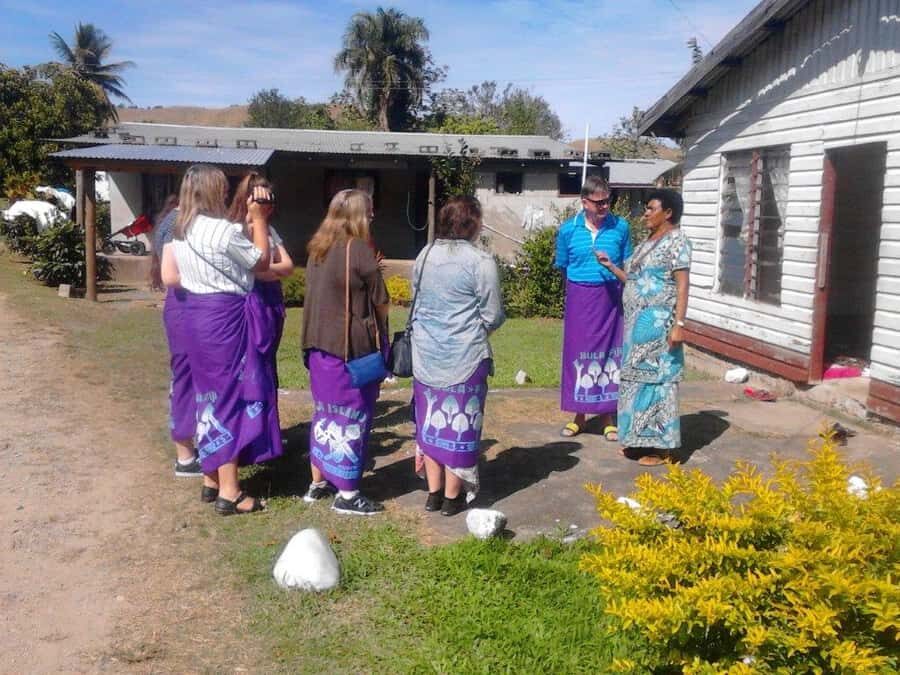
Sigatoka market is where you trade your resort pace for local rhythm. You’ll drive through the village area toward the market and then spend time browsing colorful piles of tropical produce and seasonal fruits. Even if you don’t plan to buy much, it’s worth going because it teaches you how bargaining works here: not as a trick, but as a conversation.
Bargaining can feel awkward at first, so I recommend you go in with a simple goal:
- pick one or two items you genuinely want, and
- decide your budget before you start talking prices.
Bring cash for this part—your tour info explicitly calls it out. If you forget, you might end up watching the market instead of participating, and that’s a missed chance, because this is the moment that lets you “do” Fiji, not just observe it.
Also, it’s a market—so expect movement and smells and the normal crush of people trading and chatting. If you want a calm photo stop, you may need to be patient. If you like people-watching and lively bargaining, you’re going to have fun.
Village school visit: a small window into daily life
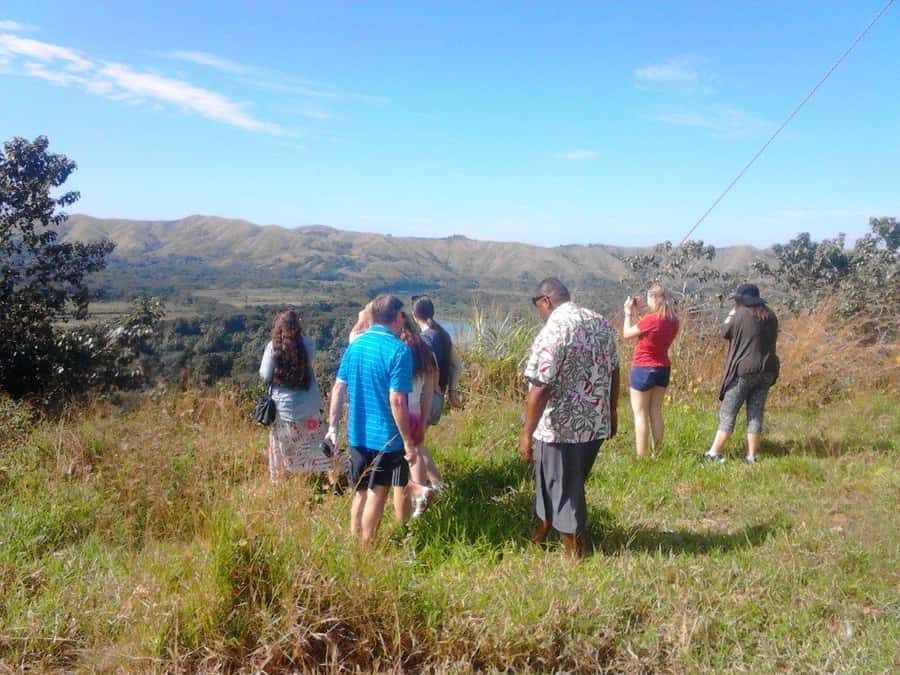
After the market, the day turns toward education and community. You’ll tour a village school in Sigatoka. This stop is valuable because it makes the day feel grounded. Instead of just seeing crafts and scenery, you’re seeing where kids learn and where families invest in the future.
Now, there’s one timing reality to know: a past visitor noted that the school was not in session during their visit. That doesn’t mean the tour is pointless. It just means you might see the school environment more than you’ll see a full classroom scene. Either way, you’ll still get the sense of how the community is organized around the school.
If you’re traveling with kids or teens, this stop can also shift the day from “fun sightseeing” into “human perspective.” You’ll come away thinking about what everyday learning looks like outside a city.
Lawai Pottery Village: kava welcome, pottery making, and meke
This is the heart of the tour, and it’s built in layers.
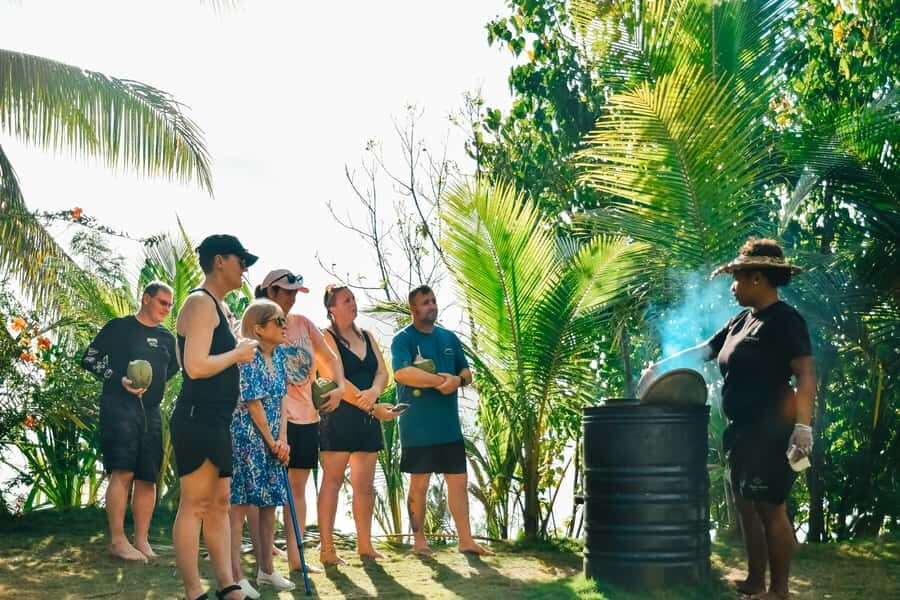
First comes the kava ceremony welcome at Lawai Pottery Village. You’ll watch villagers pound the kava root to produce an earthy liquid, and you’ll be invited to share it as a sign of welcome. Even if you’re not sure you’ll love the taste, I like that the tour gives you the context first. Kava here isn’t just a drink—it’s part of how people communicate hospitality.
After the kava welcome, you’ll watch a demonstration on traditional pottery. You’ll see how local craftspeople work with silt clay from the riverbed to craft wares. The tour also includes guidance on how plants are used—like eucalyptus resin—to glaze and decorate the pottery. That detail is more than trivia. It shows you the connection between materials from the land and the final look of the crafts.
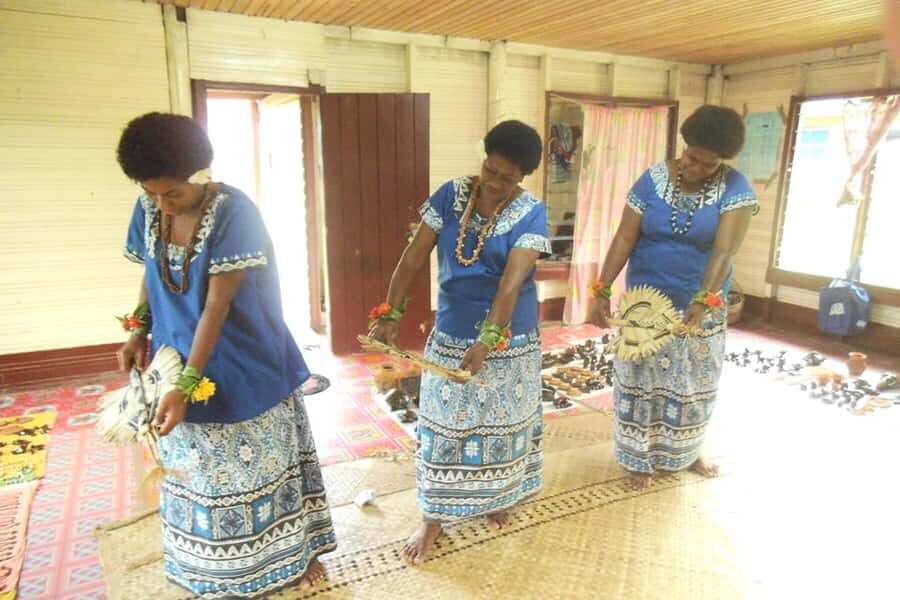
Then there’s a cultural performance highlight: you’ll see a meke dance. This adds energy to the day and helps explain that traditional culture in Fiji isn’t only about objects; it’s also about expression, rhythm, and community performance.
If you’re the type who usually skips “show” parts of tours, keep an open mind here. The pottery and kava segments aren’t just entertainment—they’re practical, skill-based traditions with social meaning.
Watching pottery happen: why the process matters more than the souvenir
Here’s what I’d focus on during the pottery segment: the process and materials.
The tour specifically sets up the pottery experience around:
- making pottery from riverbed silt clay, and
- using eucalyptus resin to glaze and decorate.
That means you’re not just shopping. You’re learning what makes the pottery different. If you’ve ever bought a craft without knowing why it looks the way it does, this stop fixes that. You’ll be able to connect the appearance of the wares to the resources and techniques used locally.
Also, because you’ll be watching a demonstration rather than only being shown finished items, you’ll likely notice the effort and care behind each piece. That makes any purchase (if you choose to buy) feel more informed, and it can help you avoid paying for something that doesn’t match what you value.





Hare Krishna temple viewpoint: a hilltop pause with river views
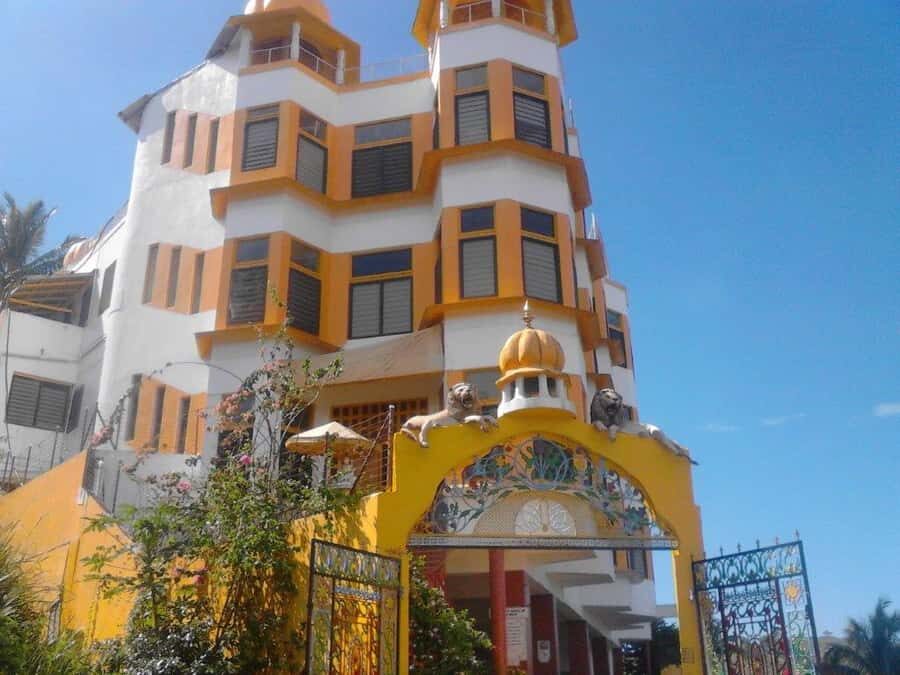
Before heading back, the tour includes a stop at Sigatoka’s massive Hare Krishna temple, perched on a hilltop overlooking the river below. This is a useful contrast to the rest of the day. After markets, ceremonies, and craft work, you get a view that helps your brain rest.
It’s also practical. This viewpoint stop gives you a moment to regroup, stretch your legs, and take in the bigger picture of the area you’ve been driving through all morning and afternoon.
Just remember: it’s still part of your scheduled half-day, so keep your time flexible and your expectations simple. Think of it as a “see the area from above” moment, not a long sightseeing hike.
Price and value: what $88 gets you (and what it doesn’t)
At $88 per person for about 390 minutes, this tour is priced like a cultural day with real added value. The included items matter:
- guided tour with admission fees covered
- bottled water and soft drinks
- round-trip transportation from your Nadi or Denarau hotel
- live English commentary
What’s not included is lunch. That’s the biggest “budget surprise” risk. If you’re trying to keep the day smooth, eat before pickup or plan on buying food separately later. If you arrive hungry, the market stop becomes stressful instead of fun.
So is it good value? I think it is if you want a compact hit of Fiji culture:
- Coral Coast scenery with context
- Sigatoka market bargaining experience
- school visit
- kava welcome + pottery demonstration
- meke dance
- a temple viewpoint
You’re paying to package multiple different cultural moments into one day, with transport handled and the guide doing the explaining. If you only wanted one or two of those stops, you might find better value going DIY. If you want the whole arc, this price can make sense.
Who should book this Coral Coast tour, and who should skip it
This tour fits best if you:
- want authentic cultural stops in a short time
- enjoy markets and don’t mind bargaining
- like guided explanations (English live commentary) rather than wandering alone
- appreciate traditions like kava and pottery, not just photos
One review-based clue: the tour is described as good for people who don’t like walking a lot. That suggests the itinerary is paced for comfort, even if you’ll still be moving between stops.
You might want to rethink it if:
- you strongly prefer having lunch provided (it’s not)
- you’re sensitive to schedule timing and prefer a slower day
- you’re not comfortable with a cultural welcome where you may be asked to participate (kava sharing is part of the experience)
Dress note: no sleeveless shirts is explicitly stated. Bring a light layer with sleeves and you’ll avoid getting turned away or feeling awkward.
Practical tips to get the most out of the day
A few small moves can make this tour feel effortless.
- Bring cash for the Sigatoka market bargaining time.
- Bring a towel as your packing list suggests.
- Wear clothing that follows the no-sleeveless rule.
- Keep your expectations flexible for the school visit. If classes aren’t running, you’ll still see the school environment, but you may not see students as actively as you hoped.
If you’re traveling with a child, you’ll want to plan around tour rules: kids aged 4 and under join for free. Kids 12 and under must be accompanied by a paying adult, and if your child needs a car seat, you should notify the local operator in advance.
Also, this activity needs at least two people to run. If you’re booking late and are traveling solo, check availability before you lock in other plans.
Should you book this Coral Coast & Village School Tour?
I’d book it if you want one half-day that actually connects the dots between Fiji’s coast, community life, and traditional craft. The big selling points are the kava welcome, the pottery demonstration using riverbed silt clay and eucalyptus resin, and the fact that you spend meaningful time in Sigatoka, including the market and a village school stop.
Skip it only if you’re aiming for a relaxing, food-focused day with lunch included, or if you want long, unstructured time in one place. This is a guided, scheduled cultural day. Done right, it’s a fast way to leave Fiji with more than scenery—you’ll leave with stories you can explain.
If you do book, pack for the market, dress with sleeves, and keep your schedule flexible. That’s the formula for getting the best version of this experience.
FAQ
How long is the Coral Coast & Village School Tour?
The tour duration is 390 minutes, which is a little over six hours.
Where does the tour start?
You’re picked up from the lobby of centrally located hotels in Nadi or Denarau.
What does the tour cost?
The price listed is $88 per person.
Is lunch included?
No. Lunch is not included.
What is included in the price?
The tour includes a guided Coral Coast experience, admission fees, bottled water and soft drinks, and round-trip transportation from your Nadi or Denarau hotel. It also includes live English commentary.
Do I need cash for anything?
Yes. The tour specifically lists cash as something to bring, and the Sigatoka market is where you’ll likely want it.
What should I wear?
Sleeveless shirts are not allowed, so plan on wearing something with sleeves.
What should I bring besides cash?
The tour lists a towel as something to bring.
Will the village school be in session?
That can vary. One previous visitor noted the school was not in session during their visit, so don’t assume you’ll always see active classes.
What are the rules for children?
Children aged 4 and under can join for free. Children aged 12 and under must be accompanied by a paying adult. If your child needs a car seat, you should notify the local tour operator in advance.