REVIEW · VITI LEVU
Fiji 2 Night Hiking Adventure and Cultural Experience
Book on Viator →Operated by Talanoa Treks · Bookable on Viator
Hiking Fiji’s highlands changes your whole trip. This 3-day, 2-night Fiji hiking and cultural experience takes you from the Nadrau plateau into remote communities, with rugged trail days, river cool-downs, and big viewpoints along the upper Sigatoka region.
I especially like the way the trip is guided by people from the area, so the walking comes with real context, not a script. I also love the chance to share village time and hear stories about Vanua leadership and how church and governance fit together in daily life.
One thing to weigh: this is not a stroll. The hikes include strenuous climbs and long distances, and the tour asks for moderate physical fitness, so go in with the right expectations.
In This Review
- Quick takeaways before you book
- What this Fiji highland hike really is
- Day 1: Nadrau plateau and Naga village start (long, but worth it)
- Day 2: Nabutautau’s old trail along the upper Sigatoka River
- Day 3: the 4-hour circular hike, a natural waterslide, then 4WD to Sigatoka
- The cultural side: Vanua leadership, church influence, and governance
- Hike difficulty: what moderate fitness means in real life
- Price and value: what $609.12 is buying you
- Who should book this and who should skip it
- Tips to make it smoother on the ground
- Should you book Talanoa Treks’ Fiji 2 Night Hiking Adventure?
- FAQ
- How long is the Fiji 2 Night Hiking Adventure?
- When does the tour depart?
- Where does the trip take place?
- How much hiking is involved on each day?
- Is pickup included?
- How big is the group?
- What fitness level do you need?
- What happens if weather is poor?
- What is the cancellation window for a full refund?
Quick takeaways before you book
- Small group (max 12) for hands-on time with community guides
- Two major hikes: a 12 km trek on day 2 and a 5 km circular hike on day 3
- Village stays in the interior at places like Naga and Nabutautau
- Culture you can ask questions about, including Vanua, church influence, and governance
- A fun stop in nature: a natural waterslide during the day 3 walk
- Practical finish by 4WD down to Sigatoka, then onward to Nadi or Suva
What this Fiji highland hike really is
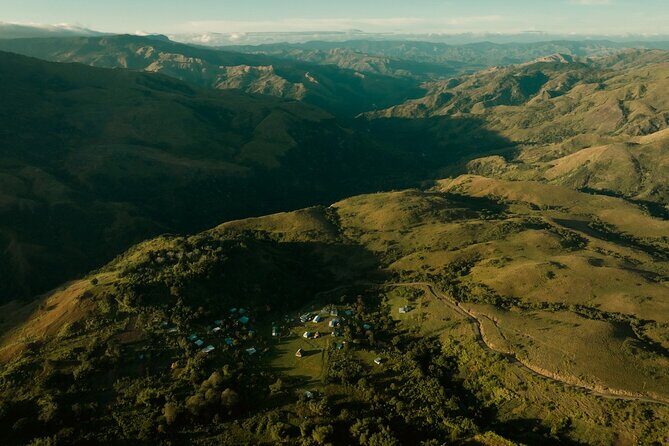
This trip focuses on the side of Fiji most people skip: the inland highlands of Viti Levu. Instead of spending all your time near the coast, you’ll trade beach views for old footpaths, forest and grassland stretches, and river breaks that feel like a reset for your body.
The itinerary is built around two things that matter when you’re active in another country: good local guidance and enough time to get there without rushing. With community guides leading the hikes and a trip leader handling the flow, the days stay purposeful even when the trail is steep.
And since departures run most Tuesdays from April to November, it fits well if you’re building a longer Fiji plan and want a real “change of pace” block.
You can also read our reviews of more evening experiences in Viti Levu



Day 1: Nadrau plateau and Naga village start (long, but worth it)
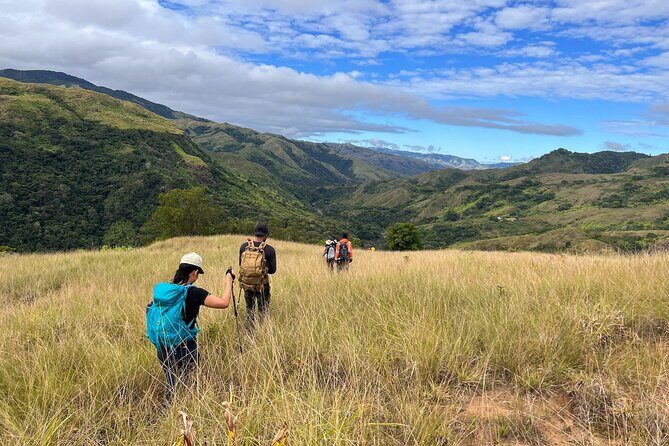
Day 1 begins with pickup from your hotel, usually between 12:30pm and 1pm. That means you’re not starting at dawn, but you are in for a full day—around 14 hours end to end.
From there, the route pushes into the interior of Viti Levu toward the Nadrau plateau, then on to the Naga village. This is where the trip starts feeling different in a hurry. One moment you’re in normal travel mode; the next you’re moving through highland terrain and getting into remote, community-based surroundings.
What I like about this setup is that it buys you a smoother transition into the next two hiking days. You’re not scrambling to “earn” the culture by day 2—you’re already there, settled enough to feel the place.
Day 2: Nabutautau’s old trail along the upper Sigatoka River
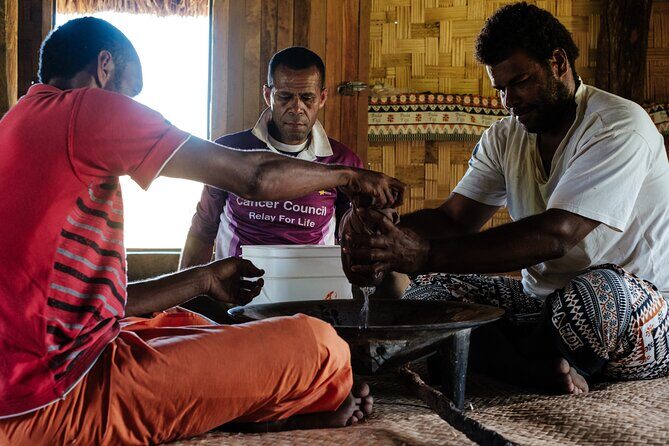
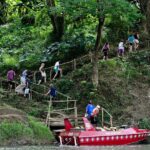
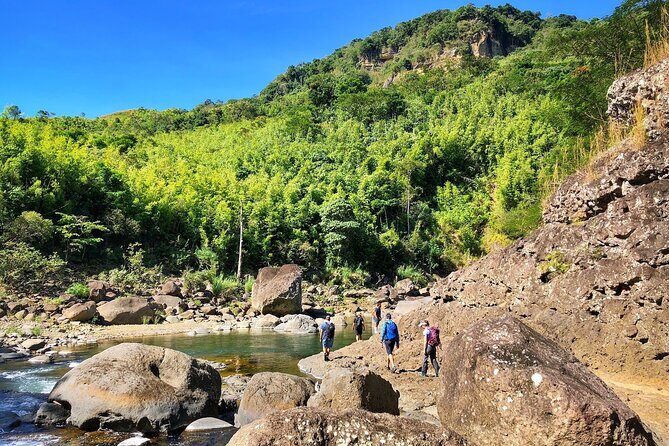
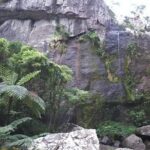
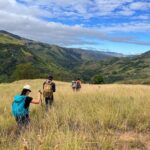
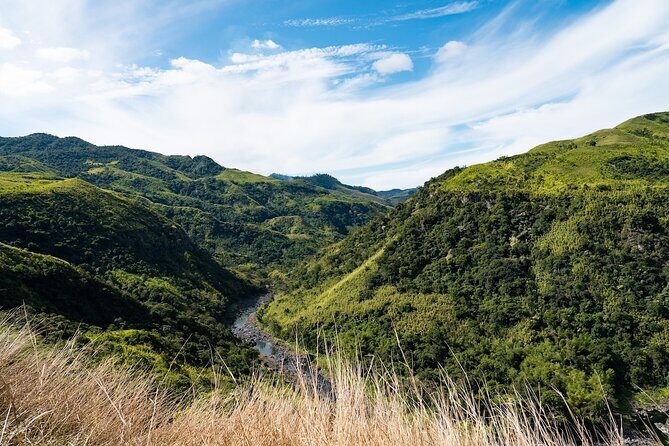
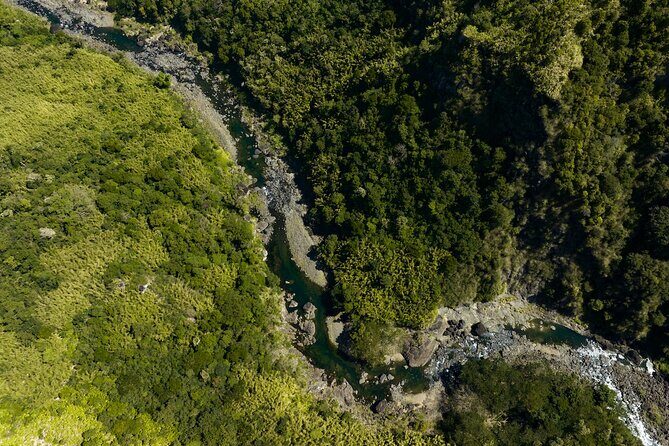
Day 2 is the longer hiking day, and it’s built around an old route. You’ll hike with trained community guides along a trail linking now-abandoned villages along the upper Sigatoka River. Expect a mix of grassland and forest, plus the kind of turns that only make sense on footpaths.
The hike is about 12 km and takes around 7 hours, including stops. That duration matters. A route that long isn’t only about fitness; it’s also about learning how to pace yourself on hills—especially in the highlands, where the effort can feel steady but relentless.
A key value here: you’re not just walking through scenery. The guided stops are part of how you understand local life and leadership structures—topics that come up again later, including the impact of the church and how governance works through traditional systems (often called the Vanua in the trip context).
If you’re the type who likes to know what you’re looking at, this day is for you. If you prefer quiet hikes with no conversation, you might still enjoy it, but you’ll likely end up asking questions.
Day 3: the 4-hour circular hike, a natural waterslide, then 4WD to Sigatoka
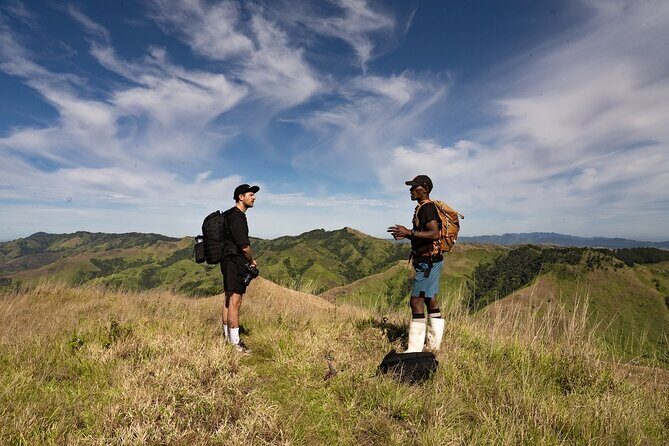
Day 3 keeps the hiking going, but it changes the vibe from day 2’s long effort to a shorter loop with a memorable nature break.
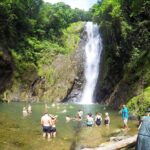
First up: a guided 4-hour circular hike (about 5 km) around Nabutautau. The walk includes stops that lean playful and reflective. One stop is a natural waterslide tucked away in the forest—exactly the kind of “wait, people actually do this” moment you remember later. Another stop focuses on Fiji’s past as you walk through an old village site.
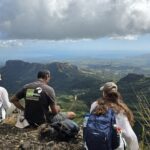
After the hike, you’ll leave Nubutautau and head down by 4WD to Sigatoka. On the drive, you get sweeping views across the watersheds for the Ba and Sigatoka rivers. Then the tour ends with onward transport to Nadi or Suva.
What I like about the day 3 design is that it prevents the typical highland-trail letdown. You’re not just exhausted and done. You get a final view-heavy finale, plus a fun natural break that makes the whole trip feel less like hard work and more like living in the rhythm of the area.
The cultural side: Vanua leadership, church influence, and governance
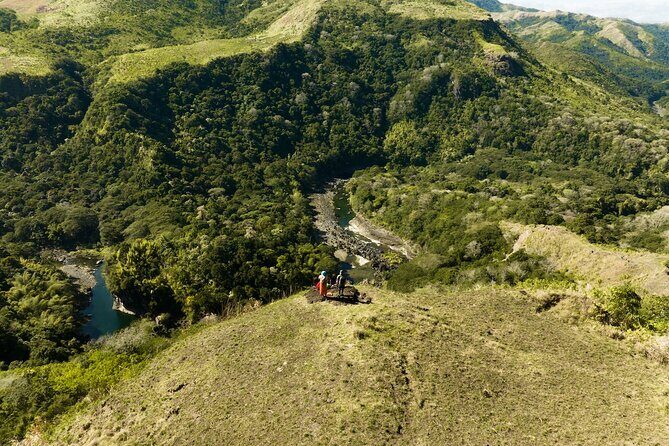
The headline for the cultural component is simple: you learn through real people, not through a one-way lecture. The trip’s cultural value comes from how your guides connect everyday life to community leadership systems.
From the information shared on the walk, you’re looking at leadership at the Vanua, the impact of the church, and how governance fits into the bigger picture of community decision-making. That combination is powerful because it’s not just “traditions.” It’s how communities organize, guide behavior, and explain authority.
And if you’re wondering what this looks like on the ground, it often shows up in small things: how guides explain why places are important, how stories connect to land and identity, and how group members encourage you during harder climbs. In one case, a guide named Ben stood out for teaching Fijian culture in a way that made the route feel meaningful, not just difficult.
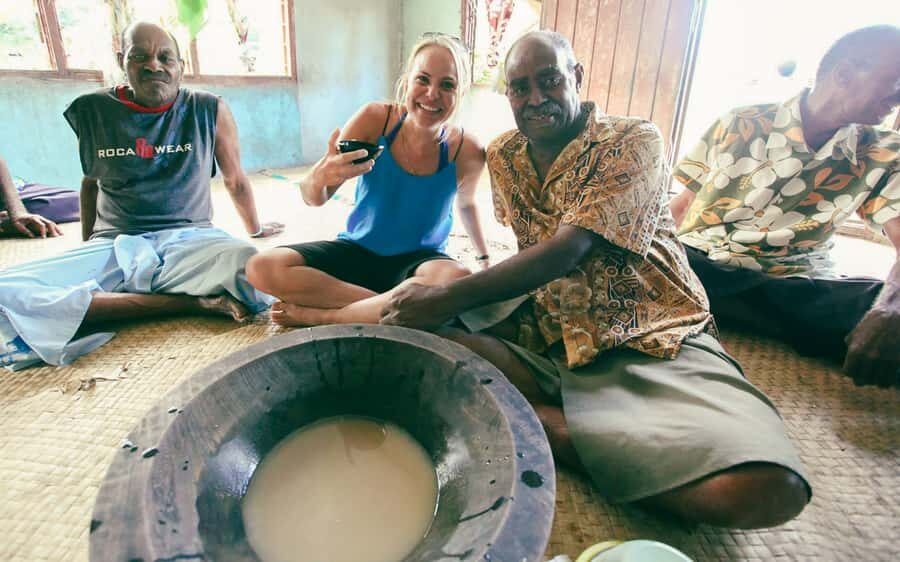
This is also where the village time matters. Staying in remote villages—rather than staying in a resort bubble—gives you more genuine context for meals, daily routines, and shared conversations.
You can also read our reviews of more hiking tours in Viti Levu

Hike difficulty: what moderate fitness means in real life
The tour asks for moderate physical fitness, and that’s accurate—but it’s still a hike.
Day 2 is the clearest indicator. 12 km in about 7 hours is a long walk with stops, and the route includes both grassland and forest. Day 3 is shorter at 5 km, but the description includes a circular hike and multiple stops, plus the kind of terrain where descents can feel as hard as climbs.
One more detail to keep in mind: the trip seems to reward effort with encouragement. Guides are clearly used to getting people up hills, including visitors who aren’t used to highland terrain. So if you’re nervous about steep sections, don’t let that stop you. Just plan to move slowly, hydrate, and keep your energy steady.
Your best prep:
- Comfortable, grippy shoes you can trust on uneven ground
- Light layers for changing weather
- Water discipline (sip, don’t chug) during long stretches
- A calm mindset for steep parts. You’re not going to sprint. You’re going to finish
Price and value: what $609.12 is buying you
At $609.12 per person, this tour isn’t cheap for Fiji. But the value is tied to the components that cost time and coordination: village-based hosting, community guiding, multi-day logistics, and a small group size with a maximum of 12 travelers.
You also get practical extras that matter once you’re on the ground:
- Pickup offered from your hotel on day 1
- Mobile ticket
- A structured plan that moves you from the highlands down toward Sigatoka and then to Nadi or Suva
And the cultural component isn’t an optional add-on. It’s woven into the guiding and village interaction. In the experience, meals are prepared by resident ladies in the villages, which adds a real sense of place and shared life.
Is it good value compared with a resort day tour? If you want beach time and easy transportation only, this might feel like overkill. But if you want a grounded Fiji experience with walking, community teaching, and a finish that actually changes your route across the island, the price starts to make sense.
Who should book this and who should skip it
Book this if you:
- Want a real highlands experience on Viti Levu, not just coastal sightseeing
- Prefer small-group guiding and conversation you can actually ask questions about
- Like the mix of physical effort plus culture—hike first, learn while you go
- Enjoy moments like a natural waterslide stop and want your trip to feel playful as well as scenic
Skip it if you:
- Want mostly flat walking or a very gentle pace
- Don’t handle strenuous climbs or long hiking hours well
- Are looking for a luxury, low-effort schedule
This is a thoughtful choice for active couples, solo travelers who enjoy guided conversation, and anyone who wants Fiji beyond the standard postcard routine.
Tips to make it smoother on the ground
Because this trip spends time in remote areas, a few habits will make the days feel easier:
- Bring a small bag you can keep close. You’ll move between hikes, village time, and transfers.
- Pack for wet forest conditions since the day 3 stop includes a natural waterslide. You’ll likely want something to dry off and change into after.
- Use your walking time for what it’s good at: asking questions. The cultural topics—especially Vanua leadership and how church influence and governance intersect—land better when you can talk as you walk.
Finally, set your mental goal as finishing strong, not matching other people’s pace. Guides do a good job supporting the group up hills, but your best day will be the one where you feel steady.
Should you book Talanoa Treks’ Fiji 2 Night Hiking Adventure?
If your ideal Fiji trip includes walking, community interaction, and seeing the interior of Viti Levu, I’d say yes—this is a strong match. The highlights are clear: trained community guides, village-based cultural learning, and hikes that are challenging enough to feel real but structured enough to stay manageable.
The main reason to pause is fitness. If “moderate” sounds too close to “not me,” pick an easier outing. But if you can handle hours on your feet and you’re willing to work for the views, this trip delivers the kind of off-the-beaten-track Fiji experience that actually changes your perspective.
Just pick the right mindset: you’re here to hike, learn, eat well with the community, and enjoy the long road between places.
FAQ
How long is the Fiji 2 Night Hiking Adventure?
It runs for about 3 days (around 2 nights), with hikes on day 2 and day 3 plus travel time on day 1 and the 4WD transfer on day 3.
When does the tour depart?
Departing most Tuesdays from April to November.
Where does the trip take place?
On Viti Levu, Fiji, including stops at Nadrau, Naga village, and Nabutautau, plus travel down to Sigatoka.
How much hiking is involved on each day?
Day 2 includes a 12 km hike that takes about 7 hours. Day 3 includes a guided circular hike of about 5 km that takes around 4 hours.
Is pickup included?
Yes. Pickup is offered, and day 1 pickup is usually between 12:30pm and 1pm.
How big is the group?
The tour has a maximum of 12 travelers.
What fitness level do you need?
You should have moderate physical fitness.
What happens if weather is poor?
This experience requires good weather. If it’s canceled due to poor weather, you’ll be offered a different date or a full refund.
What is the cancellation window for a full refund?
You can cancel up to 6 days in advance for a full refund, and the deadline is based on the experience’s local time.