REVIEW · VITI LEVU
Hiking Adventure including Fiji’s Highest Mountain and 3 Nights
Book on Viator →Operated by Talanoa Treks · Bookable on Viator
A mountain climb and a village welcome in the same trip. This Fiji highlands adventure takes you off the resort strip and into interior trails, remote communities, and a real sense of place, with time on Mount Tomanivi and along the Sigatoka river routes. It’s built for independent-minded travelers who want respectful land access and fair community connection without having to wrestle with logistics.
I especially like how the hiking is paced for different days: a steep, muddy summit day, then longer river-trail walking, then a shorter loop that feels more playful than punishing. I also like the small group size (max 12) and the fact that you’re in the hands of a team that includes leaders such as Ben and Jake, with local community guides involved throughout.
One consideration: this is moderate fitness hiking, and trails can be muddy and steep, especially if the weather turns. If you’re looking for flat, dry, and easy walking, this won’t match your vibe.
In This Review
- Key takeaways before you go
- Getting off the Nadi coast: pickup and 4WD into Fiji’s interior
- Day 1 in Navai: your first village stay and the start of the highlands rhythm
- Day 2: Mount Tomanivi climb—early starts, steep trail, and summit views
- Day 2 after the climb: Nadrau plateau and onward to Naga village
- Day 3: the Nabutautau walk on the upper Sigatoka river—12km of terrain and local guidance
- Day 4 morning: the 5km circular hike—waterslide fun and an old village site
- Ending via Sigatoka and back toward Nadi or Suva: the moment the trek turns into travel again
- Price and value: what $750.23 buys you in the Fiji highlands
- Guides that make the days work: Ben, Jake, Sireli, and local experts
- Weather, mud, and your packing choices
- Who this hike suits best (and who may want a different plan)
- Should you book this Talanoa Treks highlands adventure?
- FAQ
- When do departures run?
- How long is the trek?
- What fitness level do I need?
- How big is the group?
- Where do I meet the group?
- Is pickup included?
- Which mountain do you climb?
- What kind of hiking time should I expect?
- What happens if weather is bad?
- What is the cancellation window?
Key takeaways before you go
- Mount Tomanivi summit day happens early, before heat and trail conditions set in
- Village-to-village homestays add cultural context to every day of walking
- Old trail sections on the upper Sigatoka river include history and local stories as you walk
- Small group cap of 12 keeps the trek feeling personal, not crowded
- Shorter final loop hike lets you slow down and explore a natural waterslide area
Getting off the Nadi coast: pickup and 4WD into Fiji’s interior
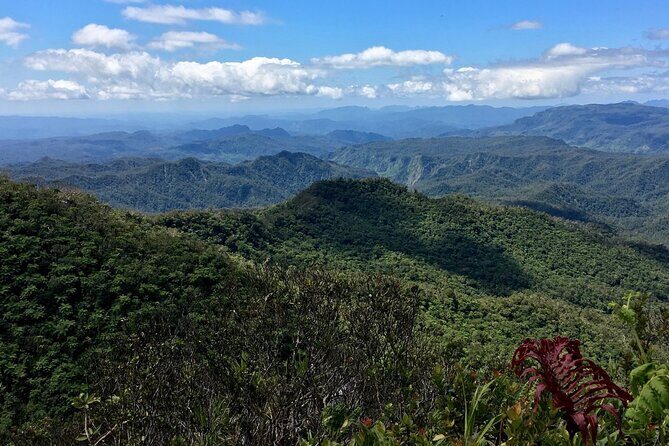
Your trip starts at The Coffee Hub – Nadi (Lot 1, Nasau, Nadi Back Rd). Pickup is offered, and you’ll usually get going between 12:30pm and 1pm, then ride in 4WD with experienced guides up into Fiji’s less-visited interior.
That first ride matters more than it sounds. The highlands feel different when you’re not just “visiting” them, but actually traveling through them. By the time you reach your first village stay (Day 1), you’re already in the rhythms of the interior rather than arriving late and rushing everything.
You’ll also want to be ready for the reality that you’re not on paved roads for long. The 4WD transport is part of the value here: you’re outsourcing the driving so you can focus on the walks and the community stays.
You can also read our reviews of more hiking tours in Viti Levu
Day 1 in Navai: your first village stay and the start of the highlands rhythm
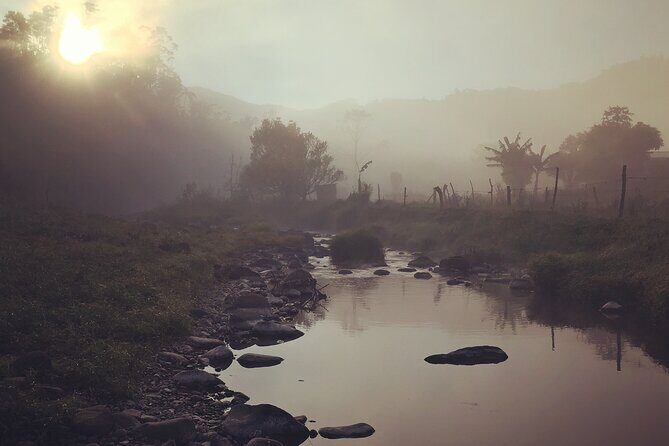
Day 1 is your arrival and settling-in in the Navai area. After pickup, you travel with the team into the interior, then start your first village stay.
This is where the trip’s tone gets set. Instead of just doing guided scenery stops, you’re living where people live, then hiking the next day with that context already in place. From the way this trek is described, the goal is clear: you’ll learn how to be respectful on traditional land and contribute in a way that supports the community hosting you.
A practical note: “settling in” can mean early nights and simple routines. It’s not a hotel experience, so come with flexibility and curiosity. If you arrive expecting resort-level comforts, you’ll spend energy disappointed.
Day 2: Mount Tomanivi climb—early starts, steep trail, and summit views
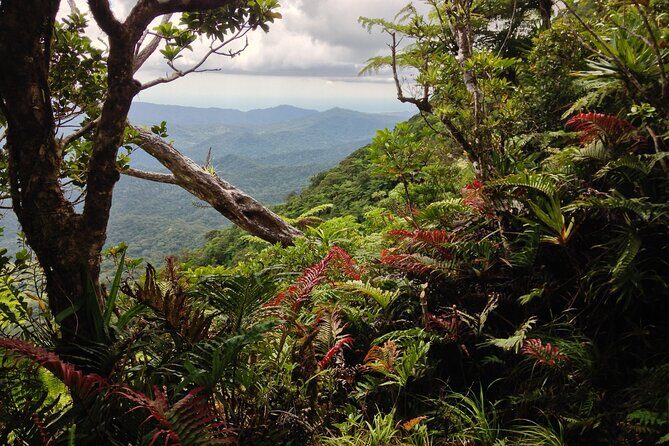
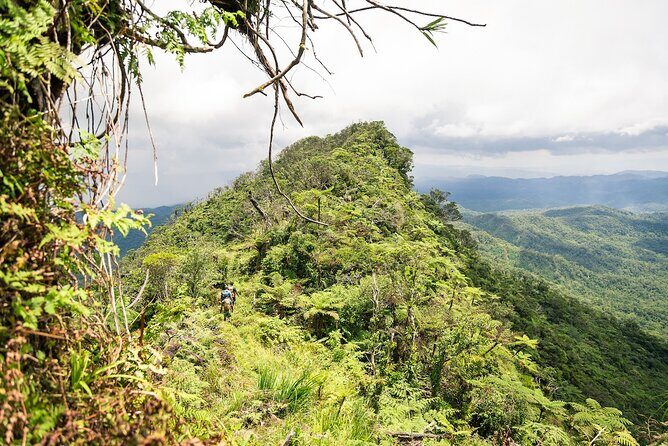
Day 2 is the big-ticket day: climbing Mount Tomanivi, the hike tied to Fiji’s highest mountain. You’ll start after a very early breakfast, with the plan to begin the climb before the heat kicks in.
The trail is described as steep and muddy. That tells you a lot about what to expect: fewer straight-line “pretty trail” moments, more work-on-your-feet walking, with footing that may be slippery depending on conditions. The summit is where you get rewarded, with stunning views on clear days and the surrounding area in a designated forest reserve.
This is also the day where choosing the right clothes and gear really pays off. One traveler tip that fits this terrain well: bring a long-sleeve lightweight shirt and a hat for exposed sections, and wear hiking trousers to help with grass and brushing along the trail.
Who benefits most from Day 2: people who like a real physical challenge and don’t mind earning the views. If you want scenery without effort, this day may feel like too much.
Day 2 after the climb: Nadrau plateau and onward to Naga village
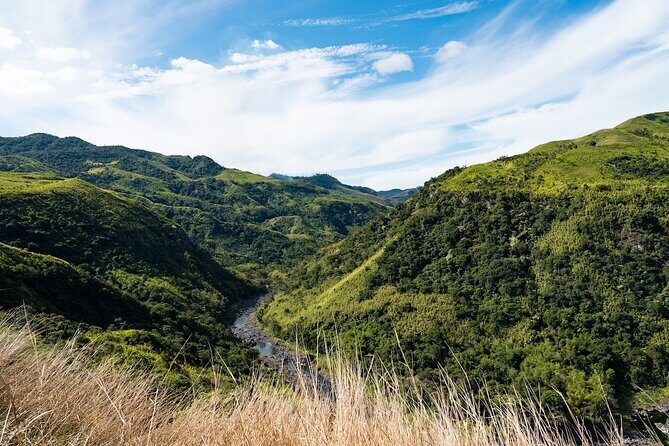
Once you’re back from the mountain, you return to the homestay in Navai. Then you head further along the Nadrau plateau and on to the Naga village area.
This part of the day is less about a single dramatic summit moment and more about “getting the scale” of the region. Plateau travel gives you perspective on where the highlands sit in relation to surrounding watersheds and valleys. It also breaks up the intensity: you climb, recover, shower, then move on.
For many people, the value of this segment is that it prevents the trek from feeling like a checklist. You’re not just traveling from one hike to the next; you’re living through the transitions—meals, rest, and new surroundings.
Day 3: the Nabutautau walk on the upper Sigatoka river—12km of terrain and local guidance
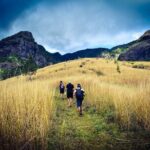
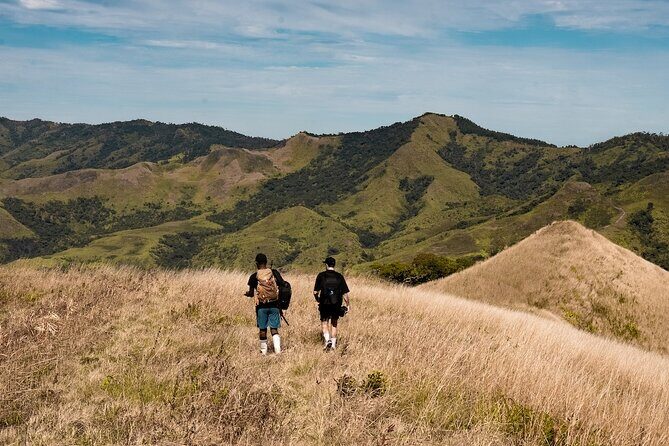
Day 3 brings the Nabutautau hike, guided by trained community guides. The route follows an old trail linking now-abandoned villages along the upper Sigatoka river, moving through grassland and forest.
The walking distance is about 12km, and the hike takes around 7 hours with stops along the way to rest, learn, and take in what’s around you. This is the day that best matches the trip’s promise of culture-with-footsteps: you’re not only moving through nature, you’re moving through places that have stories tied to settlement and change.
A detail that matters: the mix of grassland and forest means you’ll feel the weather differently. Grassland sections can be more exposed, while forest can feel cooler and more sheltered. It’s also the kind of hike where you’ll notice how your guide reads the trail—where to step, where the ground turns uneven, and how to pace for safety.
If your ideal day of hiking includes conversation, context, and “why this path matters,” Day 3 is the highlight.



Day 4 morning: the 5km circular hike—waterslide fun and an old village site
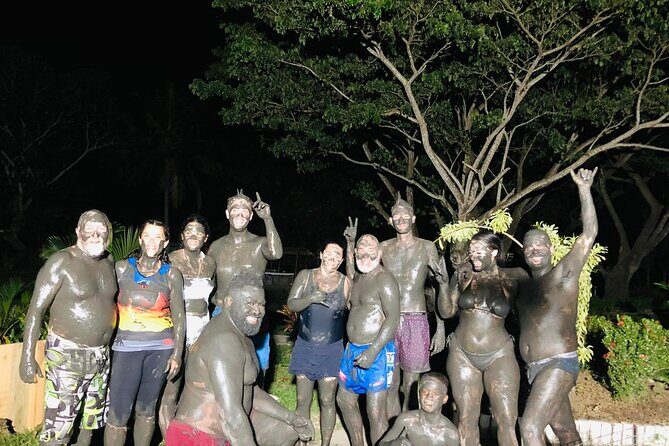
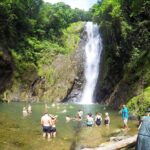
Day 4 starts with a guided circular hike with Nabutautau again, but with a different style. This one is around 4 hours (about 5km), and it includes a stop at a natural waterslide tucked away in the forest.
That “inner child” framing makes sense for the terrain you’re walking through. Even if you’re tired from earlier days, a shorter circular route gives your legs a chance to catch up while you explore something unusual. It’s also a reminder that this trek isn’t only about summit effort.
The route also includes learning about Fiji’s past as you walk through an old village site. That means the day ends up being a mix: playful nature stop, then grounded history context. You’ll likely come away with a clearer sense of how people used to live and how today’s landscape is shaped by time and human movement.
Ending via Sigatoka and back toward Nadi or Suva: the moment the trek turns into travel again
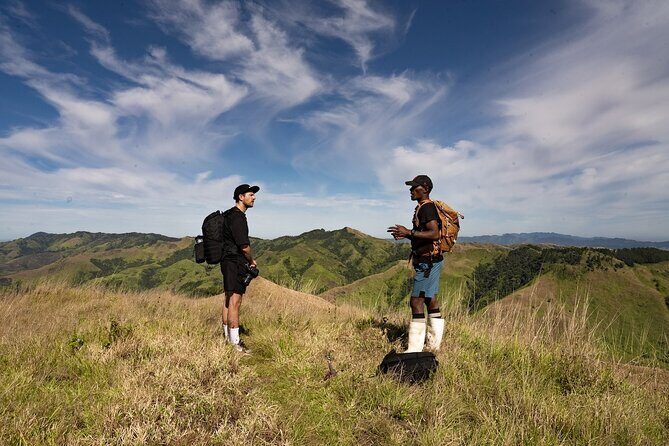
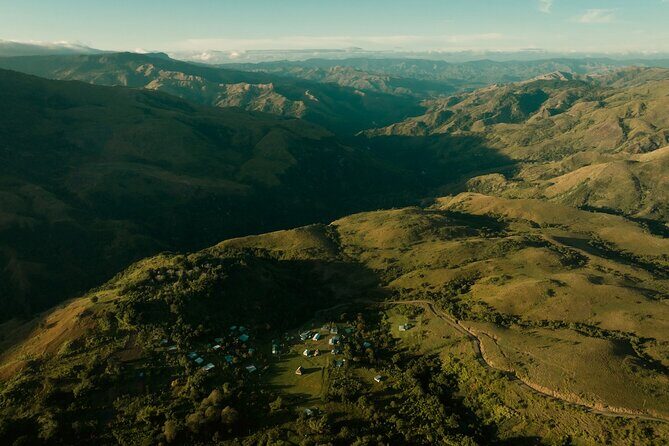
After the morning hike, you depart Nabutautau by 4WD vehicle and head down toward Sigatoka. Along the way, there are sweeping views across watersheds for the Ba and Sigatoka rivers, then you continue on to Nadi or Suva depending on where the trip ends for you.
This is a good closing structure. You finish with views rather than jumping straight into another strenuous walk. And the 4WD descent gives you time to reset mentally from trail mode to transportation mode.
Also note: the trip ends in a different location than where it starts. So plan your next steps with that in mind, especially if you’re connecting to flights or other activities later.
Price and value: what $750.23 buys you in the Fiji highlands
At $750.23 per person, this trek isn’t cheap. But it doesn’t pretend to be a bargain either. The value comes from what’s included in the experience structure: guided hiking across multiple days, village homestays, and 4WD transport that gets you into the interior where public transit won’t help.
You’re also paying for the small group size (max 12) and the mix of leaders and community guides. That matters because the difference between a hike and an experience is usually interpretation—who can point out plants, explain history, and show what respectful visiting looks like on traditional land.
A few extra value signals show up in the feedback: people specifically praised accommodation and food quality during village stays, and they called out how guides contributed knowledge along the trail, not just directions. In a trip like this, those details are the difference between “I saw things” and “I understood things.”
Bottom line: if you’re choosing between this and a resort-only stay, this is the option that trades beach time for deeper connection—and you’ll likely feel that trade-off in the best way.
Guides that make the days work: Ben, Jake, Sireli, and local experts
One of the standout strengths of this trip is the guide team. Names mentioned include Ben and Jake, and you might also meet Sireli as part of the broader crew. What comes through consistently is that they support the hike, explain what you’re seeing, and keep the experience grounded in local culture.
You’ll also hike with trained community guides during the longer route sections. That’s important because it turns the trail from a physical challenge into a guided learning walk. It’s also one reason the trip fits independent travelers well: you get structure and context, without needing to be glued to a resort schedule.
There’s also a practical side to good leadership. When conditions are wet and muddy, the trip is still doable because guides manage pacing and help you avoid risky slipping moments. This is one of the places where experience matters.
Weather, mud, and your packing choices
This experience requires good weather, and conditions can affect trail comfort. One traveler noted that it was wet and muddy on the trails, which added to the adventure. Translation: you might get dirty, and you’ll want footwear that can handle uneven ground.
Because the tour is scheduled in a window starting most Mondays from April to November, you may face mixed seasonal conditions. Since the description says it depends on good weather, if rain disrupts plans, you may be offered another date or a full refund.
Pack for the possibility of mud and exposure. If you tend to overpack, this trip still rewards bringing layers that dry reasonably and clothing that protects you from sun and brush. The hat and long-sleeve tip is especially relevant on exposed sections like grassland trails.
Who this hike suits best (and who may want a different plan)
This is best for travelers who want more than views. If you’re the type who enjoys a mix of walking, conversation, and learning while moving through real communities, you’ll likely enjoy how the days connect.
It also suits groups that like structure but still prefer freedom: you don’t have to map routes or manage village logistics, but you still walk at a real hiking pace and get time to settle into each place.
If you’re not comfortable with steep, muddy trails, or if you have limited tolerance for uneven footing, you may struggle—especially on Day 2. The trip is described as moderate physical fitness rather than beginner-level.
Should you book this Talanoa Treks highlands adventure?
I’d book this if you want Fiji’s interior, not just Fiji’s coastline. The Mount Tomanivi climb plus the Sigatoka river trail days create a good mix of challenge, scenery, and culture through village stays.
I’d think twice if your ideal trip is mostly easy walking, dry trails, and hotel-style comfort. Also, if you’re sensitive about ending in a different location than the start, plan your return transport carefully.
If your goal is to leave Fiji with stories that feel real—earned on foot, shared with guides, and supported through community hosting—this one fits the bill.
FAQ
When do departures run?
Departing most Mondays from April to November.
How long is the trek?
It’s listed as 4 days (approx.), including 3 nights.
What fitness level do I need?
The tour is for people with a moderate physical fitness level.
How big is the group?
The tour has a maximum of 12 travelers.
Where do I meet the group?
The start is at The Coffee Hub – Nadi (Lot 1, Nasau, Nadi Back Rd, Fiji).
Is pickup included?
Yes. Pickup is offered, and the usual pickup time is between 12:30pm and 1pm (you confirm the exact time after booking).
Which mountain do you climb?
You climb Mount Tomanivi, tied to Fiji’s highest mountain experience.
What kind of hiking time should I expect?
You can expect a 6-hour summit climb on Day 2, about 7 hours for the 12km hike on Day 3, and about 4 hours for the 5km circular hike on Day 4.
What happens if weather is bad?
The experience requires good weather. If it’s canceled due to poor weather, you’ll be offered a different date or a full refund.
What is the cancellation window?
You can cancel up to 6 days in advance for a full refund, and 2–6 days in advance for a 50% refund. If you cancel less than 2 days before the start time, it isn’t refunded.