REVIEW · VITI LEVU
Vavavi – Fijian Cooking & Cultural Experience
Book on Viator →Operated by Vavavi Cooking & Cultural Experience · Bookable on Viator
A lovo cooks a story. In Nadi on Viti Levu, Vavavi pairs a local market visit with hands-on cooking in a traditional lovo earth oven, then rounds it out with cultural activities and lunch. It’s a family-run day focused on real food and real daily life in Fiji.
I especially like two things. First, the experience is hands-on in a way that actually teaches you, from basic prep to cooking dishes in the earth oven. Second, you’re not stuck watching from the sidelines during the cultural parts like coconut scraping, weaving, and kava tasting.
One thing to consider: pickup and easy logistics are mainly built around the Nadi/Denarau area. If you’re staying elsewhere, you may need to handle your own transport to Enamanu Road.
In This Review
- Key highlights to plan around
- Entering the day: Nadi pickup, welcome drink, and a relaxed pace
- The market tour: where Fijian meals start (and why it’s worth it)
- Lovo earth oven setup: the slow-cook method that makes the food
- Morning tea and food prep: hands-on learning, not just watching
- The dishes: palusami, eggplant tavu, and at least four homemade favorites
- Coconut scraping, weaving, and kava tasting: culture you can do with your hands
- Lunch with drinks: eating what you built (and knowing what’s inside)
- Price and value: $117.12 for 6 hours of guided food and culture
- Who this tour suits best (and who might want to skip it)
- A note on guides and the overall feel
- Should you book Vavavi Cooking & Cultural Experience?
- FAQ
- How long is the Vavavi cooking and cultural experience?
- Is pickup available?
- What time does it start and where does it meet?
- What’s included in the price?
- What kind of food will you cook?
- Can dietary requirements be accommodated?
- How many people are in a group?
Key highlights to plan around
- Small group (max 12) so you get help when you need it, not just time to take photos
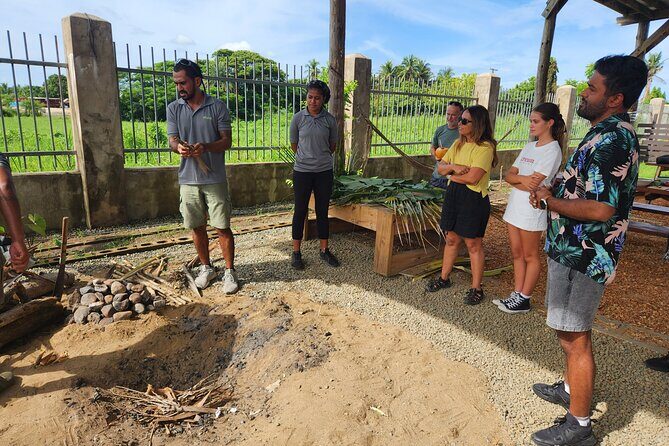
- Lovo earth oven setup shown up close before the food goes in
- Local market tour focused on what people buy day-to-day
- Hands-on cultural activities including coconut scraping and weaving
- At least four dishes cooked, with examples like palusami and eggplant tavu
- Kava tasting built into the schedule, not an afterthought
Entering the day: Nadi pickup, welcome drink, and a relaxed pace
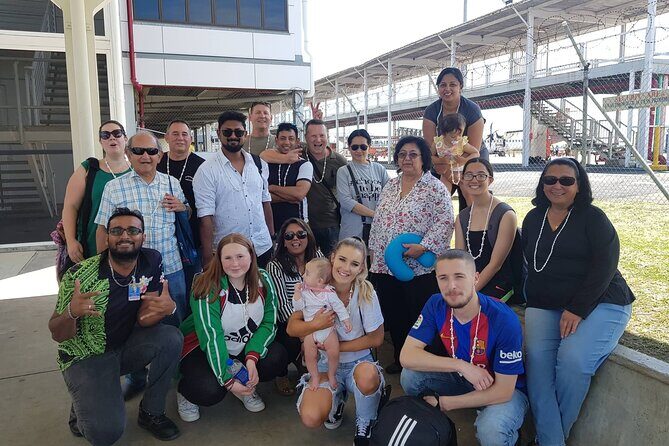
This is a morning-to-lunch kind of outing, starting around 9:00 am from Enamanu Road in Nadi, and it typically ends back at the same meeting point. If you’re based near Nadi or Denarau, pickup is offered, which keeps the day stress-free. It’s also a small-group format, capped at 12 people, so the hosts can actually keep track of everyone.
The first step is simple: you’re greeted with a welcome drink. That matters more than it sounds. It sets the tone fast—this isn’t a rushed bus-and-bag trip. It feels like you’ve arrived at someone’s home kitchen for the day, which is also how many people describe the vibe: warm, organized, and friendly.
Also, this isn’t just about food theory. You’ll be doing tasks—some messy, some surprisingly calming—so go with the right attitude. Light clothes help, and you’ll want to be okay with the smell of cooking wood and earth-oven smoke.
You can also read our reviews of more tours and experiences in Viti Levu.

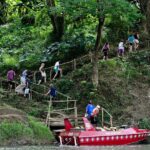

The market tour: where Fijian meals start (and why it’s worth it)
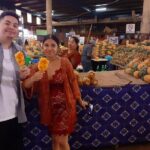
One of the smartest parts of this experience is the local market visit. Instead of telling you where ingredients come from in a lecture, you see the ingredient sources where they’re bought in everyday life.
I like this approach because it changes how you taste later. When you know what you’re looking at—produce, staples, and seasonal items—you don’t just eat. You start connecting flavors to the ingredients behind them. And you get a better sense of how Fijians build meals at home.
Practically, this market stop also keeps the day moving while your earth oven work is getting underway. In other words, it’s not “extra time.” It’s part of the same cooking cycle.
Lovo earth oven setup: the slow-cook method that makes the food
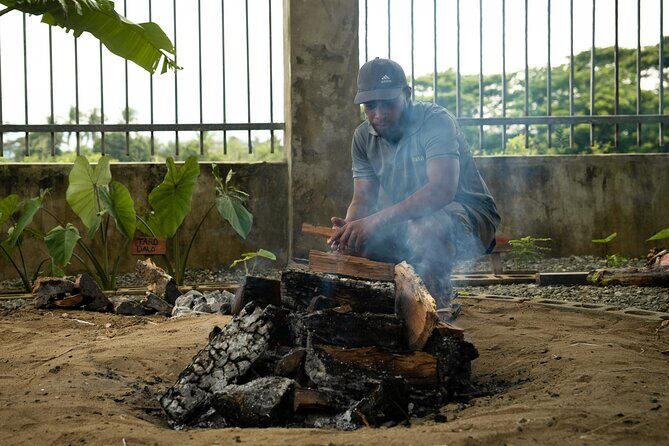
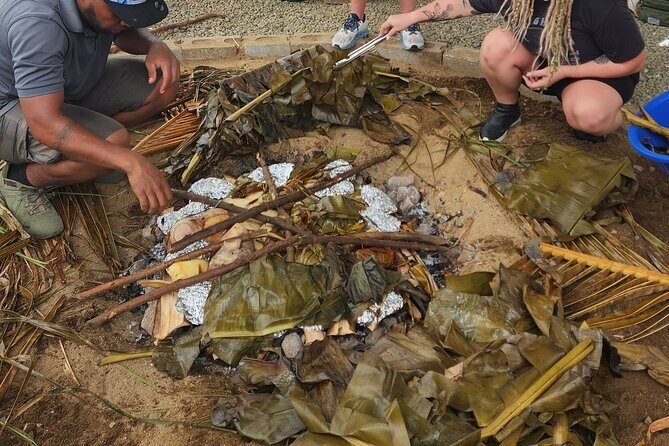
The heart of the day is the lovo. You’ll see a demonstration of how it gets set up, which is where the earth-oven process turns from an interesting word into a real method.
A lovo isn’t just a fancy cooking pot. It’s an earth oven system that uses heated stones and controlled cooking time. Watching it get prepared gives you context for why Fijian dishes come out the way they do—soft, tender, and flavored by smoke and heat that spreads through the food.
And yes, this part can be a sensory shock if you’re used to modern kitchens. You’ll be close to the cooking process, so expect an earthy, wood-smoke environment. If you’re sensitive to smells or prefer very controlled indoor cooking, this might feel intense for a portion of the day. But if you can tolerate that? You’ll get a deeper appreciation of the food when you finally eat.
Morning tea and food prep: hands-on learning, not just watching
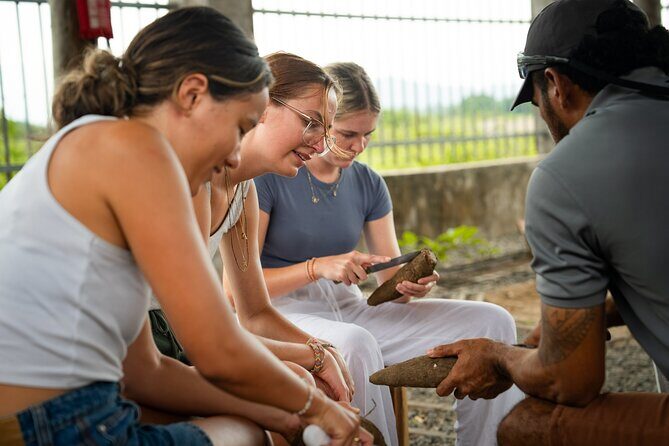
After the lovo setup, the day continues with food prep in a way that encourages participation. You’re guided through preparing traditional Fijian dishes using fresh local ingredients, and the experience includes morning tea along the way.
This is where Vavavi does well: you get multiple steps, and those steps help you understand the logic behind the cooking. For example, if you’re handling ingredients that go into a baked parcel style dish, you learn how the layers and wrapping affect the final texture. If you’re prepping items that cook differently, you’ll see that not every ingredient needs the same treatment.
The tour is built to keep you engaged. People often highlight that they could participate in all aspects of meal prep and then feast together. When a host system is good, you don’t feel lost. You feel included.
The dishes: palusami, eggplant tavu, and at least four homemade favorites
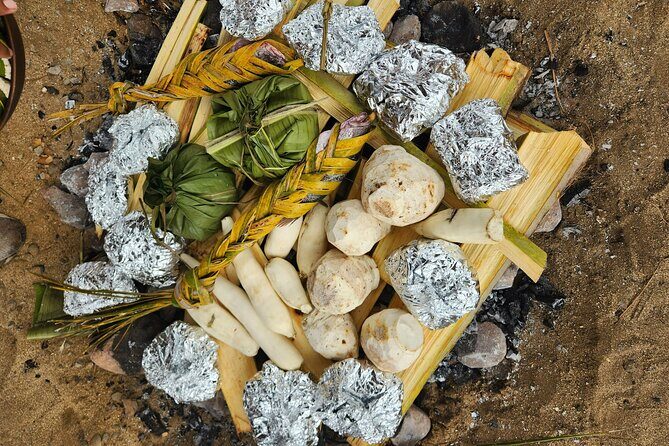
You’ll prepare at least four traditional Fijian dishes during the experience. Two examples are specifically mentioned: palusami and eggplant tavu.
Here’s why that matters for you: palusami is a classic comfort-food style dish in Fiji. When you make it as part of the process—handling ingredients and assembling the dish—you learn why it’s so satisfying. Eggplant tavu gives you another angle on flavor and texture, showing how vegetables fit right into the heart of traditional cooking, not just as sides.
Because the tour includes multiple dishes, you’re not locked into one cooking style all day. You’ll get a mix of steps, and you’ll leave with a clearer sense of how everyday Fijian meals can be built around earth-oven cooking and simple, fresh ingredients.
If you’re vegetarian or have dietary restrictions, that’s a real plus here. The experience states they can cater for dietary requirements such as vegetarians, vegans, halal, and gluten-free. That doesn’t guarantee every dish will look identical to the standard versions, but it does mean the hosts are prepared to adjust the menu.


Coconut scraping, weaving, and kava tasting: culture you can do with your hands
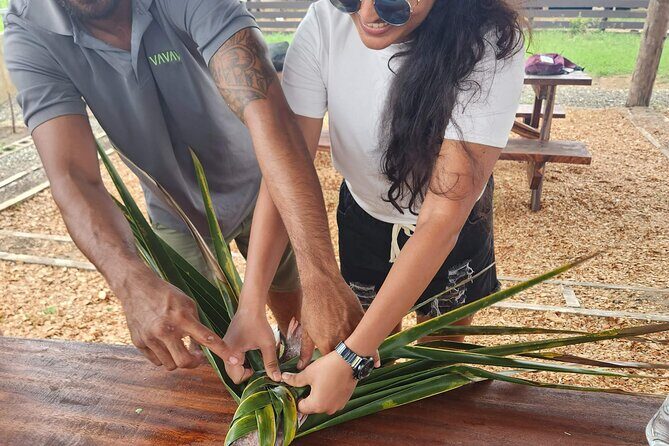
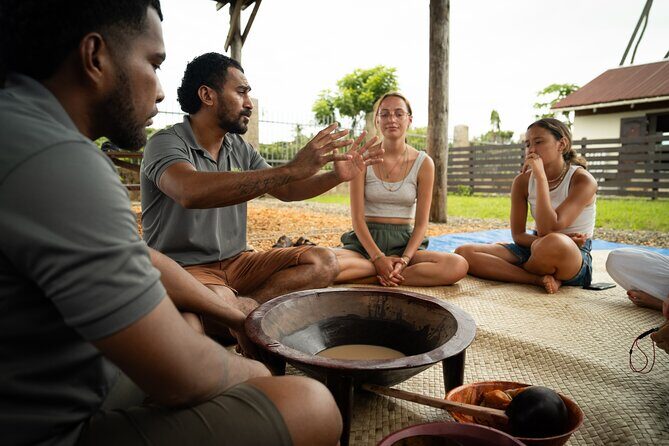
Food is the centerpiece here, but the cultural activities are part of why this experience feels personal. You’ll do traditional activities including coconut scraping and weaving, plus a kava tasting.
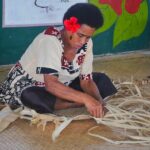
Coconut scraping sounds basic until you try it. Then you realize it’s a skill. It’s repetitive work, but it’s also meditative, and it connects you to a real household task. Weaving adds another layer: you’re not just learning a craft name. You’re learning how people turn local materials into usable things.
Kava tasting is the third pillar, and it’s included as part of the schedule. Kava has a distinct taste, and it’s often tied to social settings in Fiji. Having it here means you get the moment as part of the day’s rhythm instead of a separate add-on.
From the way people describe the hosts, the kava portion also tends to feel welcoming rather than awkward. With the right group size and warm hosts, it’s easier to try without pressure.
Lunch with drinks: eating what you built (and knowing what’s inside)
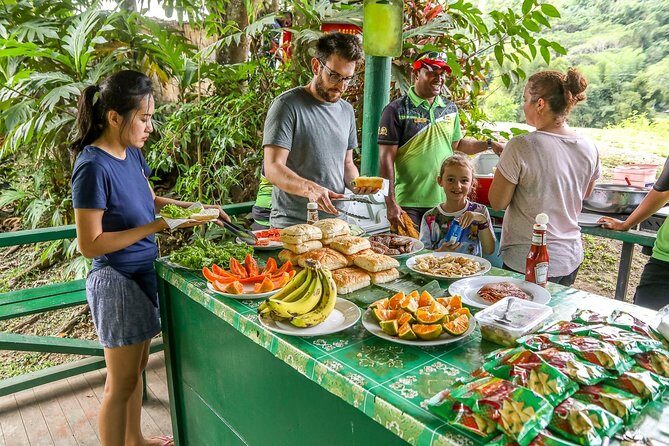
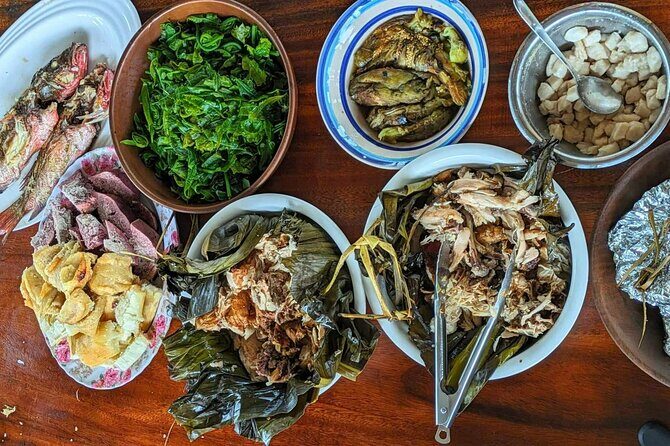
Lunch is included, and it comes with drinks. There’s also bottled water provided. This is a practical win: after hours of cooking and cultural activities, you want hydration and real food, not just snacks.
What makes lunch feel special is not only that it’s tasty. It’s that you can trace the meal back to the steps you took. You saw the market. You watched the lovo get set up. You helped prep ingredients. Then you sat down and ate the result.
For me, that connection is the whole point of a cooking experience that’s worth your time. You don’t just get calories. You get understanding.
Price and value: $117.12 for 6 hours of guided food and culture
At $117.12 per person for about 6 hours, the price lands in the mid-range for experiences in this category. The value comes from three places.
First, you’re paying for guided, small-group instruction. With a maximum of 12 travelers, you’re more likely to get individual attention during hands-on steps. Second, you’re getting more than one activity: lovo setup, market tour, multiple dish prep, cultural activities, and lunch with drinks. Third, the menu is planned around traditional dishes using fresh local ingredients, and it includes at least four cooked items.
Are there cheaper options in Fiji? Sure. But cheaper often means watch-from-the-side seating, fewer meals, or less structured learning. This one is built for participation, which is what turns it from a nice afternoon into a memorable day.
Who this tour suits best (and who might want to skip it)
This fits best if you want a practical cultural day focused on food you can actually make sense of. It’s ideal for:
- Families and multi-generation groups who want an easy schedule and shared table time
- People who like hands-on cooking, even if they’re not confident in the kitchen
- Anyone who wants to taste Fiji through ingredients and process, not only through a restaurant meal
It may be less ideal if you’re tight on time, hate any chance of outdoor/earth-smoke cooking smells, or need pickup from far outside the Nadi/Denarau zone.
A note on guides and the overall feel
The experience is run by a small, locally owned family business, and that family vibe shows up in the details. People specifically mention feeling like they were hanging out with something close to family, and they call out hosts such as Sam, Rocky, Joy, and John for being warm, attentive, and organized.
That kind of hosting matters on a cooking tour because the day can get chaotic fast. When the team is good, you’re busy in the right way. You learn, you laugh, and the meal still lands on time.
Should you book Vavavi Cooking & Cultural Experience?
If you want one of the most practical, tradition-based food days in Fiji—one that includes a real lovo experience, a local market tour, hands-on dish prep, and cultural activities—then yes, I’d book it.
Do it especially if you care about learning the how, not only eating the result. The small group size and strong host energy make a difference, and the inclusion of lunch with drinks plus bottled water keeps the day comfortable after a lot of activity.
One last decision tip: check your starting point. If you’re staying in or near the Nadi/Denarau area, pickup makes the day simple. If you’re farther away, you’ll want to plan transport in advance so you’re not stressed before the first welcome drink.
FAQ
How long is the Vavavi cooking and cultural experience?
It lasts about 6 hours.
Is pickup available?
Pickup is offered, but transfers from outside the Nadi/Denarau area are not included.
What time does it start and where does it meet?
It starts at 9:00 am and meets at Vavavi – Cooking & Cultural Experience on Enamanu Road, Nadi. It ends back at the meeting point.
What’s included in the price?
Coffee and/or tea, lunch, bottled water, an air-conditioned vehicle, a local market visit, preparation of at least four traditional dishes, kava tasting, and cultural activities.
What kind of food will you cook?
You’ll prepare at least four traditional Fijian dishes, including palusami and eggplant tavu.
Can dietary requirements be accommodated?
Yes. The experience states they can cater for dietary requirements such as vegetarians, vegans, halal, and gluten-free.
How many people are in a group?
The tour/activity has a maximum of 12 travelers.